Source: Fortune.com
Summary
Saudi Arabia issued emergency alerts over a perceived aerial threat, the first in the capital since tensions with Yemen’s Iran-backed Houthi rebels escalated. No casualties or damage were reported. Iran executed a man convicted of spying for Israel, while Israeli strikes in Gaza killed three people. The U.S. military claimed to have facilitated the flow of 1 billion barrels of oil through the Strait of Hormuz, though shipping remains below prewar levels. Israel also struck Hezbollah targets in southern Lebanon. Pakistan and Iran discussed shipping safety, and Iran charged race organizers after women ran without headscarves.
Our Reading
The numbers tell one story.
Saudi Arabia issued alerts but no damage was reported.
Iran executed a man for spying, while Israel killed three in Gaza.
The U.S. claims oil is flowing, but traffic is still low.
Iran continues to enforce strict rules on women’s dress.
Author: Evan Null
Alerts Sound Across Saudi Arabia Over Aerial Threat
Saudi Arabia issued emergency alerts across the kingdom, including in the capital Riyadh, after a perceived aerial threat. This marked the first alert in the capital since the escalation of fighting with Iran-backed Houthi rebels in Yemen. No casualties or damage were reported, though the alerts raised concerns about regional tensions. The Saudi government has previously intercepted Houthi missiles and drones, indicating ongoing security measures against potential threats.
The alerts were issued overnight, prompting a wave of emergency notifications across the country. While the exact nature of the threat remains unclear, the timing coincided with heightened tensions between Saudi Arabia and Iran-backed groups. The government has not provided a detailed explanation for the alerts, but the move reflects a broader pattern of heightened security in response to regional instability.
The situation highlights the fragile security environment in the Middle East, where conflicts in Yemen and tensions with Iran continue to influence regional dynamics. Saudi Arabia has been working to bolster its defense capabilities, including through advanced missile and drone interception systems, as part of its broader security strategy.
Despite the alerts, no immediate damage or casualties were reported, suggesting that the threat may have been a false alarm or a precautionary measure. However, the incident underscores the ongoing risks and uncertainties in the region, where even minor incidents can trigger significant security responses.
The alerts also come amid a broader context of regional tensions, with multiple actors—包括伊朗、以色列和沙特—engaged in a complex web of military and political maneuvers. The situation remains fluid, with the potential for further escalation if tensions are not managed carefully.
Iran Executes Man Accused of Spying for Israel
Iran executed a man named Hossein Pedram after he was convicted of spying for Israel’s intelligence agency, Mossad. The Iranian state TV reported that Pedram had shared classified information on sensitive military sites in Isfahan province, including missile bases. The information was reportedly accessed during last year’s 12-day air war by the U.S. and Israel, which targeted those sites. The execution has drawn international attention, especially as Iran has seen a recent surge in executions, prompting criticism from human rights groups.
The case highlights the ongoing tensions between Iran and Israel, with espionage and intelligence operations playing a key role in their rivalry. Iran has long accused Israel of interfering in its affairs, and this execution is part of a broader pattern of security measures and counterintelligence efforts. The incident also underscores the risks faced by individuals accused of espionage, particularly in a region where political and military tensions are high.
The execution of Pedram has been met with mixed reactions, with some in Iran viewing it as a necessary measure to protect national security, while others criticize the lack of transparency and due process. The case also reflects the broader geopolitical tensions between Iran and its regional adversaries, particularly Israel and the U.S., which have been involved in multiple conflicts in the Middle East.
Iran’s recent surge in executions has raised concerns among international human rights organizations, which have called for greater transparency and adherence to international law. The case of Pedram adds to the growing scrutiny of Iran’s judicial system, particularly in cases involving national security and espionage.
The execution also highlights the role of intelligence agencies in shaping regional conflicts, with both Iran and Israel relying heavily on espionage to gain strategic advantages. As tensions continue to rise, such cases are likely to remain a focal point of international attention and debate.
US Military Says Oil Is Flowing Through the Strait of Hormuz
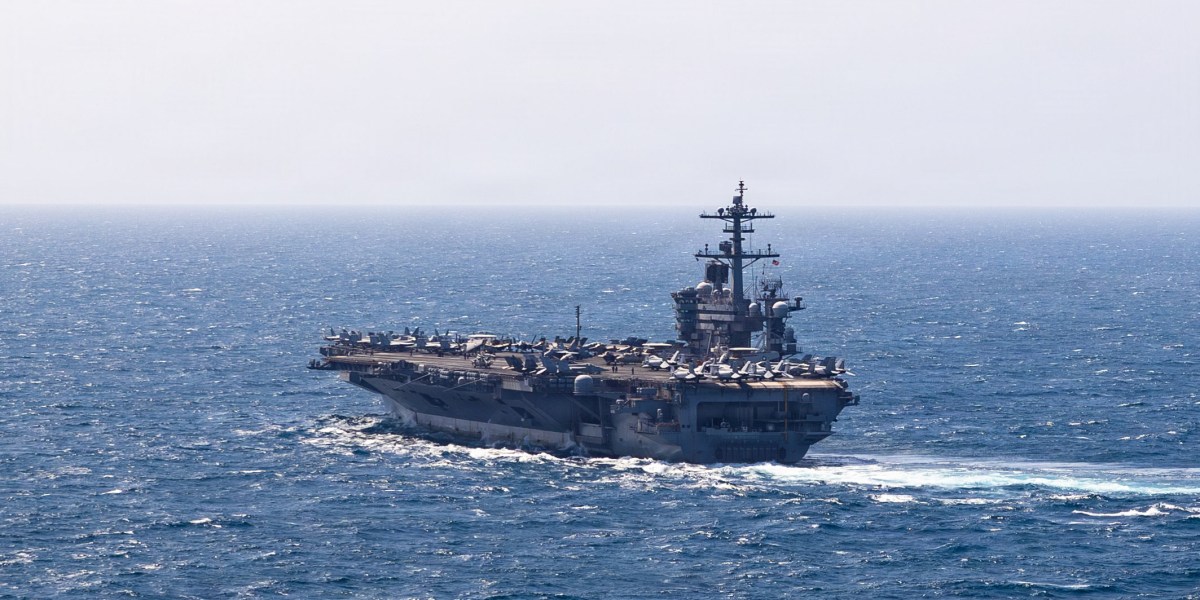
The U.S. military claimed to have facilitated the transit of 1 billion barrels of oil through the Strait of Hormuz over the past two months, asserting that Iran has “exported zero barrels” due to a U.S. blockade. Admiral Brad Cooper, head of U.S. Central Command, stated that the strait’s primary transit lanes have been cleared of mines and that shipping traffic has reached its highest level in six months. However, independent monitors report that shipping remains well below prewar levels, with Iran continuing to assert control over the strategic waterway.
The Strait of Hormuz is a critical global shipping lane, through which about one-fifth of the world’s traded oil and natural gas passes. The U.S. has been involved in efforts to ensure the free flow of commerce through the strait, particularly in light of Iran’s aggressive actions against shipping in the region. The U.S. military has been conducting operations to counter Iranian threats, including mine clearance and naval patrols.
Despite the U.S. claims, shipping traffic through the strait remains significantly lower than before the conflict with Iran. This suggests that the U.S. blockade may not be as effective as claimed, or that other factors, such as political instability and regional tensions, continue to affect trade. The situation highlights the complex interplay between military operations, economic interests, and geopolitical strategy in the region.
The U.S. has also been involved in a broader effort to counter Iranian influence in the region, including through military alliances and diplomatic pressure. The situation in the Strait of Hormuz is a key component of this strategy, as controlling the strait is essential for maintaining global energy security. However, the effectiveness of these efforts remains a subject of debate.
The ongoing conflict and uncertainty in the region have led to increased concerns about the stability of global energy markets. The U.S. military’s role in the Strait of Hormuz is likely to remain a focal point of international attention, as the balance of power in the region continues to shift.
Israeli Strikes Kill 3 Men in Gaza
Israeli strikes in Gaza killed three men, according to the Gaza Health Ministry and Shifa Hospital officials. One man was killed in the Shijaiyah neighborhood of Gaza City, another was killed in the Jabaliya refugee camp, and a third was killed in a civilian vehicle strike. The Israeli military claimed to have targeted “several military operatives,” though it has not provided further details. The strikes occurred amid a broader pattern of Israeli military activity in Gaza, which has resulted in over 13,780 Palestinian deaths since a ceasefire in October.
The casualties highlight the ongoing humanitarian crisis in Gaza, where civilian infrastructure has been heavily damaged and access to basic services remains limited. The situation has drawn international criticism, with human rights organizations condemning the high number of civilian deaths and the destruction of vital facilities. The Israeli military has continued its operations in Gaza, citing the need to combat Hamas and maintain security in the region.
The strikes also reflect the broader conflict between Israel and Hamas, which has persisted despite a ceasefire agreement. While the heaviest fighting has subsided, Israeli military activity continues, raising concerns about the potential for renewed violence. The situation remains volatile, with both sides engaging in a cycle of attacks and counterattacks that has led to significant loss of life and destruction.
The humanitarian impact of the conflict has been severe, with many families displaced and essential services disrupted. The international community has called for greater efforts to protect civilians and ensure access to aid, but progress has been limited. The situation in Gaza remains a focal point of global concern, with ongoing debates about the effectiveness of international interventions and the need for a lasting resolution to the conflict.
The continued violence and instability in Gaza underscore the challenges of achieving peace in the region. As the conflict continues, the humanitarian toll on the civilian population remains a major concern, with calls for greater international support and more effective measures to protect vulnerable communities.
Israel Launches Airstrikes in Southern Lebanon
Israel’s military launched airstrikes in southern Lebanon, targeting Hezbollah militant group locations. The strikes followed an incident in which two Israeli soldiers were wounded after their vehicle struck a Hezbollah explosive device in an occupied area. Lebanon’s state-run News Agency reported three Israeli airstrikes on the southern town of Nabatiyeh al-Fawqa, with the third strike nearly hitting paramedics. No casualties were reported, but the strikes have raised concerns about the potential for further escalation in the region.
The conflict between Israel and Hezbollah has been a recurring issue in the region, with periodic clashes and military operations. The recent strikes come amid heightened tensions, as both sides continue to engage in a cycle of attacks and counterattacks. The situation is further complicated by the presence of Israeli troops in southern Lebanon, which has been a flashpoint for conflict in the past.
The strikes highlight the ongoing instability in the region, where multiple actors—包括以色列、黎巴嫩和伊朗—engage in complex military and political maneuvers. The situation remains fluid, with the potential for further escalation if tensions are not managed carefully. The involvement of Hezbollah, a powerful militant group backed by Iran, adds to the complexity of the conflict, as it has the potential to draw in other regional players.
The international community has expressed concern over the situation, with calls for de-escalation and greater efforts to prevent further violence. The potential for a wider conflict remains a key concern, as the involvement of multiple actors increases the risk of unintended consequences. The situation in southern Lebanon is a key component of the broader regional dynamics, with the potential for significant impact on the stability of the area.
The continued military activity in southern Lebanon underscores the fragility of the region’s security environment. As tensions persist, the risk of further escalation remains a major concern, with the potential for significant humanitarian and economic consequences. The situation is likely to remain a focal point of international attention and debate in the coming months.