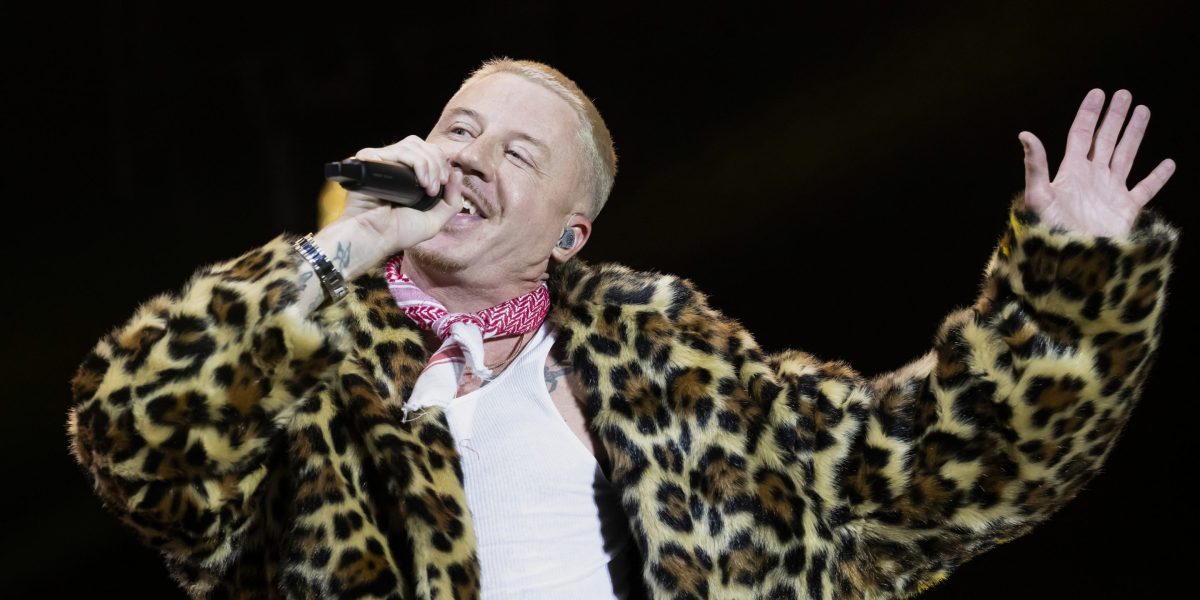
Source: Vogue
Summary
Vogue reported that designer Natasha Zinko collaborated with OnlyFans for a fashion show that encouraged audience members to act as voyeurs. The event, described as a “live performance,” was part of Zinko’s latest collection. The brand did not comment on the partnership. The show took place during Paris Fashion Week. Zinko is known for her avant-garde approach to fashion and performance art.
Our Reading
The trend returns with a new name.
Zinko’s show blurred the line between fashion and digital intimacy.
OnlyFans became a platform for runway spectacle.
The audience was asked to watch, not just observe.
The collection entered the cycle of shock and spectacle.
The moment feels like a rebrand of the 1990s underground scene.
Author: Evan Null
Context and Collaboration
Natasha Zinko’s partnership with OnlyFans marked a bold step into the intersection of fashion and digital media. The collaboration was not just a marketing stunt but an attempt to redefine the role of the audience in a fashion show. By inviting viewers to act as voyeurs, Zinko challenged traditional notions of fashion presentation and audience engagement. The event was part of a broader trend in which designers are using digital platforms to expand their reach and experiment with new formats. This move reflects a growing interest in immersive and interactive experiences within the fashion industry.
Reactions and Implications
The show received mixed reactions from the fashion community. Some praised Zinko for her innovative approach and willingness to push boundaries. Others questioned the ethical implications of using a platform associated with adult content for a high-fashion event. The collaboration also sparked discussions about the commercialization of intimacy and the role of social media in shaping fashion narratives. Despite the controversy, the event highlighted the increasing influence of digital platforms in the fashion world and the need for designers to adapt to new technologies and audience expectations.
Design and Presentation
Zinko’s latest collection featured a mix of avant-garde silhouettes and provocative themes. The designs were intended to challenge the viewer and provoke a reaction. The show’s format, which required audience members to act as voyeurs, was designed to create a sense of tension and discomfort. This approach was consistent with Zinko’s previous work, which often explores themes of power, control, and surveillance. The use of OnlyFans as a platform for the show added an extra layer of complexity, blurring the lines between fashion, performance art, and digital media.
Industry Trends and Influences
The collaboration between Zinko and OnlyFans reflects a larger trend in the fashion industry where designers are increasingly turning to digital platforms to reach new audiences and experiment with new formats. This trend is driven by the need to stay relevant in a rapidly changing media landscape. The use of platforms like OnlyFans also highlights the growing influence of social media and the ways in which it is reshaping the fashion industry. As more designers explore these new avenues, the boundaries between fashion, art, and digital media continue to blur.
Future Outlook and Impact
The impact of Zinko’s collaboration with OnlyFans remains to be seen, but it has already sparked significant discussion within the fashion community. The event has raised important questions about the role of digital platforms in fashion and the ethical implications of using such platforms for high-profile events. As the fashion industry continues to evolve, it is likely that more designers will experiment with similar collaborations, pushing the boundaries of what is considered acceptable or innovative. Whether this trend will continue or fade remains to be seen, but it has already made a significant impact on the conversation around fashion and digital media.