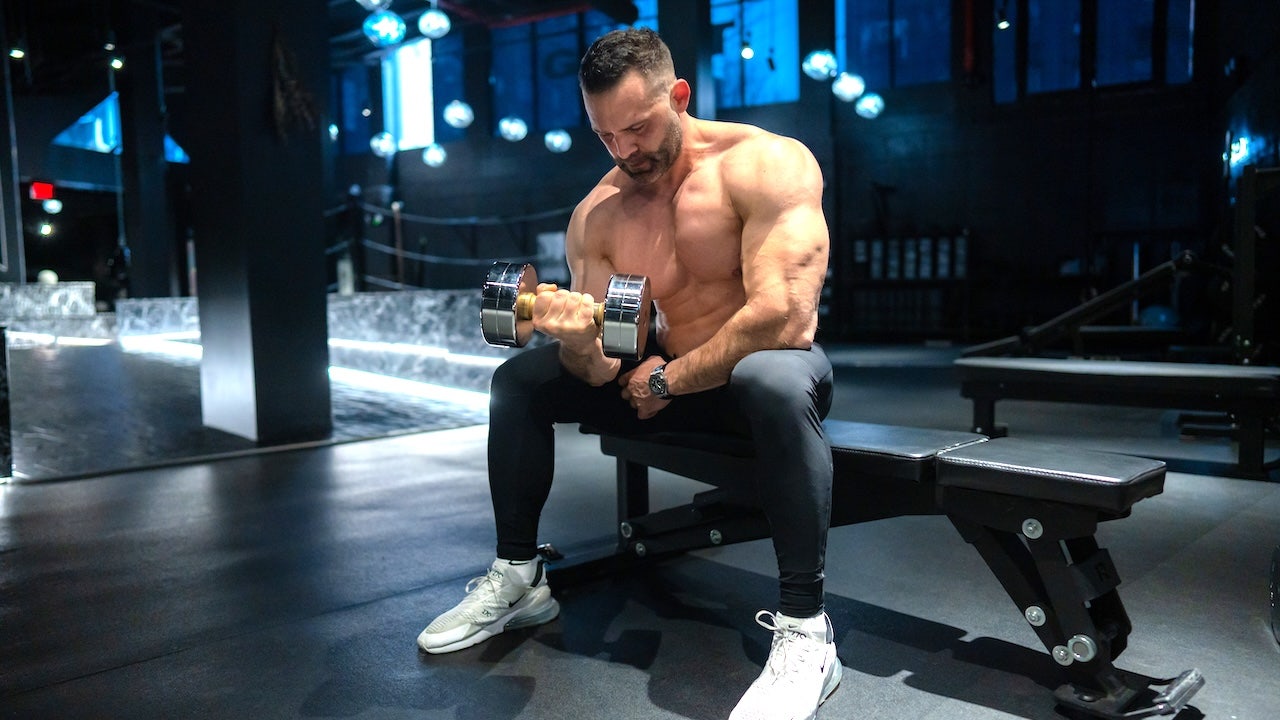
Source: Fox News
Summary
A Fox News article highlights the importance of post-exercise recovery for adults over 35, emphasizing that aging muscles may respond less to protein and training. Fitness coach Jacob Zemer outlines six recovery strategies, including sleep, hydration, protein intake, and stretching. A 2025 review found heat therapy may improve muscle recovery, while a 2026 review described exercise as a cycle of stress, adaptation, and recovery. Experts recommend personalized preventive testing and gradual training to avoid overexertion.
Our Reading
This guidance has been heard before.
Old advice about recovery and aging resurfaces with new studies and terminology.
Experts suggest sleep, protein, and heat as key elements for muscle repair.
Studies from 2025 and 2026 support similar claims about recovery and training.
It’s not new, but it keeps coming back with slightly different words.
Author: Evan Null
Post-Exercise Recovery and Aging
The article discusses how aging muscles may become less responsive to protein and training, making recovery essential. Fitness coach Jacob Zemer emphasizes the importance of post-workout recovery for adults over 35. He suggests strategies like sleep, hydration, and stretching to support muscle repair and overall health.
Key Recovery Strategies
Zemer outlines six recovery methods, including getting seven to nine hours of sleep, maintaining hydration, and consuming adequate protein after workouts. He also recommends heat therapy, such as saunas or hot showers, to improve circulation and aid in muscle recovery. These methods are supported by studies from 2025 and 2026.
Personalized Health and Preventive Testing
Experts stress the importance of personalized preventive testing based on age, gender, and medical history. The U.S. Preventive Services Task Force recommends screenings for conditions like high blood pressure and diabetes. Zemer advises regular checkups to monitor hormone levels and ensure proper bodily function as people age.
Gradual Training and Soreness
Zemer warns that overexertion can lead to prolonged soreness and joint pain, suggesting that people should ease into new fitness routines. He notes that soreness should last only a day or two, and if it persists, training intensity may be too high. This advice aligns with a 2026 review on the stress response cycle of exercise.
Endorphins and Pain Management
The article highlights how exercise-induced endorphins can temporarily mask pain, which may lead to discomfort later. Zemer warns that pain felt during a workout could worsen after the session, emphasizing the need for consistent, manageable training. This advice reinforces the importance of listening to the body and adjusting workout intensity accordingly.