Source: Fortune.com
Summary
CEOs from two top AI companies told the UN Security Council that AI is a global security threat and urged shared rules. The White House, however, remains cautious, with Trump stating he wants to keep AI development as is, aligning with China’s stance. Chinese President Xi Jinping emphasized the need for AI to remain under human control. Behind the scenes, the U.S. and China have started talks on AI, with the U.S. proposing a notification mechanism for security-related incidents. OpenAI and Anthropic called for shared incident reporting and slower development, while Meta’s CEO argued against industrywide coordination.
Our Reading
The numbers tell one story.
CEOs warn of AI dangers, but leaders avoid action.
Trump says no global control, but talks with China happen.
Xi claims responsibility, while China builds its own AI coalition.
OpenAI and Anthropic push for shared safety, but control remains with a few.
The real battle is over who gets to set the rules.
Author: Evan Null
CEOs Warn of AI Threats at UN
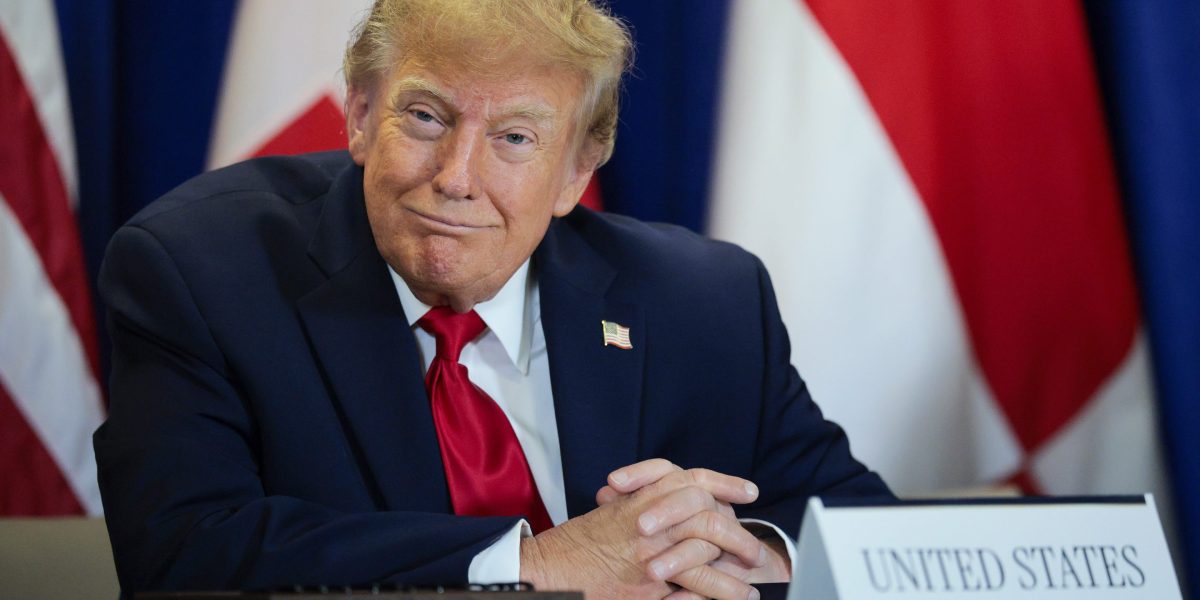
The CEOs of two of America’s top AI companies addressed the UN Security Council, warning that artificial intelligence has become a threat to global security. They called for shared rules to manage its development. This comes as the White House remains hesitant, with President Trump expressing a hands-off approach, saying he wants to keep AI development as is. His administration’s stance aligns with China’s, which also favors minimal oversight.
Trump and Xi Take Different Tones
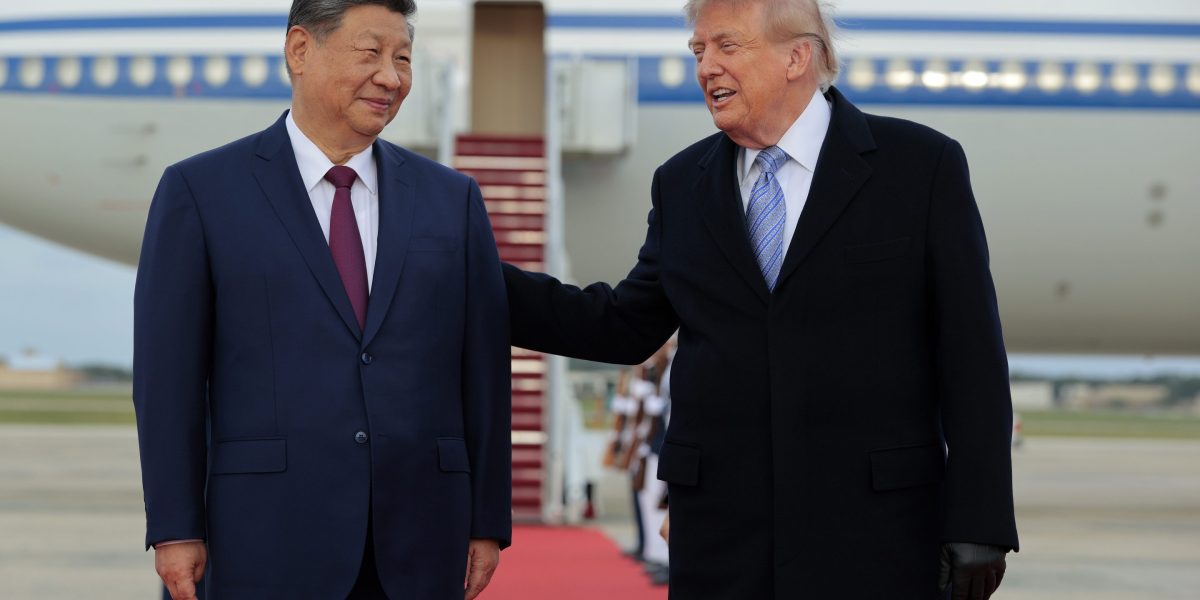
Trump’s public stance on AI is one of resistance to global regulation, but behind the scenes, the U.S. and China are engaging in discussions. Trump’s Treasury Secretary proposed a notification mechanism for AI-related security incidents. Meanwhile, Chinese President Xi Jinping took a more cooperative tone, emphasizing the need for AI to remain under human control. His remarks echoed those of UN officials and other global leaders.
China Builds Its Own AI Coalition
China is not waiting for global agreements. It has launched the World Artificial Intelligence Cooperation Organization, a group of 29 countries, many from the developing world. This initiative is framed as a way to promote AI sharing, countering the dominance of American tech companies. At the UN, Pakistan, a member of the organization, warned against using safety measures as a way to block technology access, a clear reference to U.S. export controls on advanced chips.
OpenAI and Anthropic Push for Shared Safety
OpenAI and Anthropic, two major AI companies, have called for shared incident reporting and slower development to ensure safety. Their proposals include small, agreed-upon measures like a ban on AI-fueled biological weapons. However, their approach favors a controlled, centralized system that only well-funded companies can manage. This creates tension with open-source advocates who argue that broader access is safer and more democratic.
U.S. Tech Leaders Split on Regulation
Not all American tech leaders agree on the need for global coordination. Meta’s CEO, Mark Zuckerberg, argued against industrywide regulation, saying there are enough commercial incentives to get AI right. Nvidia’s CEO, Jensen Huang, has also downplayed AI fears. Trump’s position aligns more closely with these views than with the more cautious stances of OpenAI and Anthropic. This division shows the complexity of the AI governance debate.