Source: Fortune
Summary
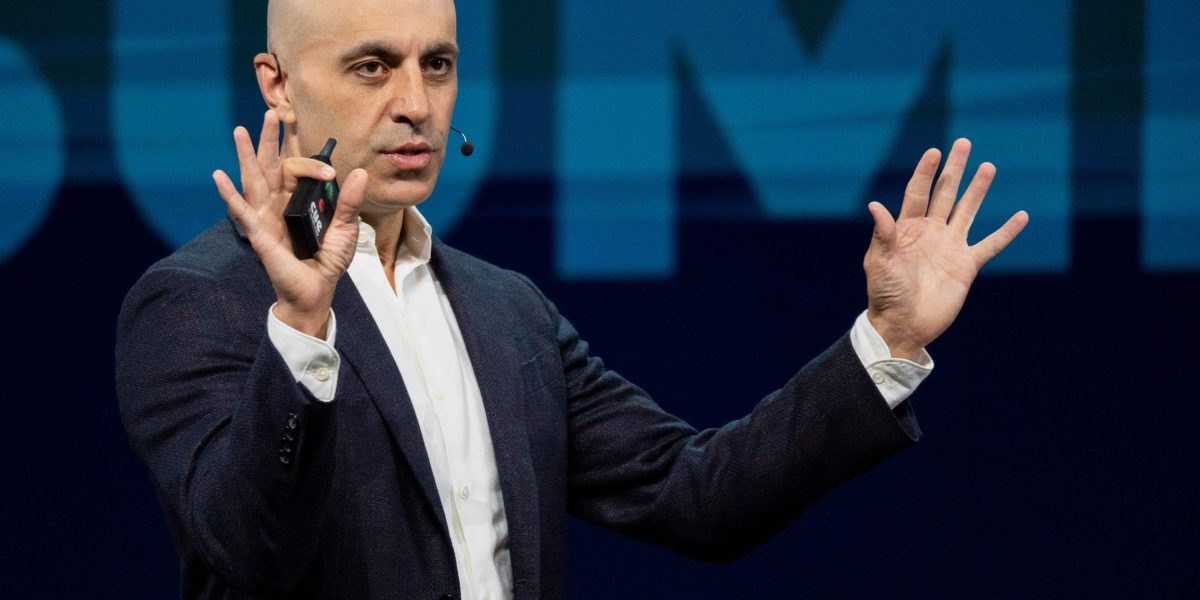
Databricks CEO Ali Ghodsi is prioritizing efficiency by limiting meetings and focusing on key priorities. He holds daily 8 a.m. meetings to identify the company’s main challenges and address them directly. Ghodsi argues that back-to-back meetings can make leaders feel like they are “slaves to their calendar.” Other CEOs, including Jamie Dimon and Scott Kirby, have also criticized ineffective meetings and emphasized the need for focused, productive discussions. A 2024 Atlassian survey found that 75% of meetings are ineffective, with many creating more meetings. Ghodsi and other executives are pushing for a cultural shift in how meetings are structured and used.
Our Reading
The numbers tell one story.
Ghodsi limits meetings to avoid being a slave to his calendar.
CEOs like Dimon and Kirby also criticize ineffective meetings.
Atlassian found most meetings are unproductive and create more meetings.
Efficiency is the new buzzword for leadership.
Author: Evan Null
CEO Strategies to Reduce Meeting Overload
Many top executives are rethinking how they use their time, especially in the face of growing demands. Databricks CEO Ali Ghodsi has made it a priority to avoid unnecessary meetings, focusing instead on key priorities. His approach includes daily 8 a.m. meetings to identify the biggest challenges facing the company. This strategy is part of a broader trend among leaders who are pushing back against the culture of constant meetings.
Meetings as a Productivity Drain
A 2024 Atlassian survey revealed that 75% of meetings are ineffective, with many leading to more meetings. This highlights a growing frustration among employees and executives alike. The survey also found that 77% of respondents believe meetings create more meetings, suggesting that the problem is systemic. As a result, leaders are looking for ways to make meetings more efficient and meaningful.
Leaders Taking a Stand Against Unproductive Meetings
CEOs like Jamie Dimon and Scott Kirby have taken a more direct approach to reducing meeting overload. Dimon has famously called for the “kill” of unnecessary meetings, while Kirby limits his meetings to four hours a day and insists on conversational discussions. These leaders are not just criticizing meetings—they are implementing concrete strategies to make them more effective. Their actions signal a shift in how executives view the role of meetings in the workplace.
Focus on Prioritization and Efficiency
Ghodsi’s strategy of compressing his calendar and focusing on the “main thing” reflects a growing emphasis on prioritization. By identifying the biggest bottlenecks, leaders can allocate their time more effectively. This approach aligns with broader trends in leadership, where efficiency and productivity are becoming central to success. Executives are increasingly aware that time is a finite resource, and they must use it wisely.
Changing the Culture Around Meetings
The push to reduce meeting overload is not just about saving time—it’s about changing the culture of the workplace. Leaders are recognizing that meetings should serve a purpose, not just fill time. By setting clear expectations and enforcing rules, executives are working to create a more productive environment. This cultural shift is likely to have a lasting impact on how companies operate and how leaders manage their time.