Source: Fox News
Summary
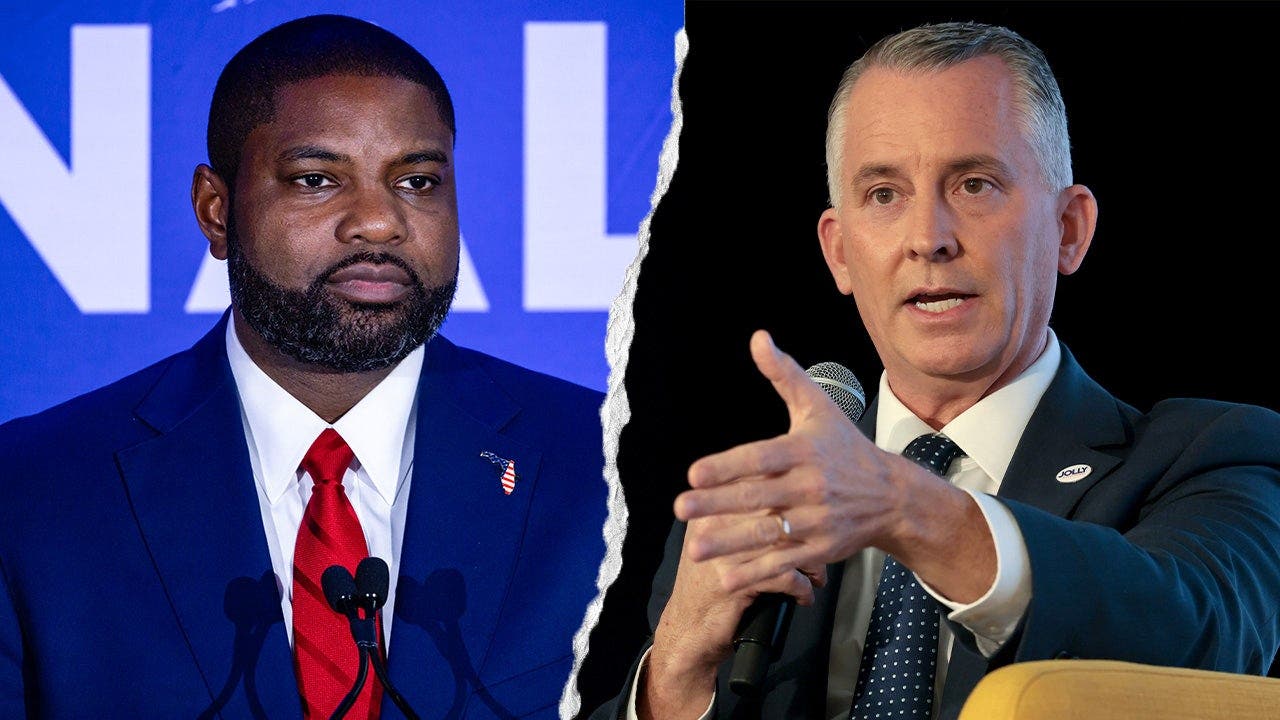
Republican congressman Byron Donalds is criticizing Democratic gubernatorial candidate David Jolly for shifting political positions and party affiliation, drawing comparisons to Jolly’s 2016 congressional race against Charlie Crist. Jolly, who previously supported pro-life policies and opposed abortion access, now identifies as pro-choice and supports expanding healthcare access. Donalds also highlights Jolly’s past lobbying for offshore drilling after the Deepwater Horizon oil spill. The race is tightening, with Donalds leading in polls and Jolly refusing to participate in debates.
Our Reading
As expected, the matter has reached another stage.
Donalds repeats the same accusation he once used against Crist.
Jolly shifts positions on abortion, immigration, and energy.
Donalds calls it political convenience, not conviction.
Both men have done this before, in different roles.
Author: Evan Null
Byron Donalds and the Politics of Flip-Flopping
Republican congressman Byron Donalds is accusing Democratic gubernatorial candidate David Jolly of changing his positions for political gain. This is not the first time Donalds has made such claims. In 2016, he criticized Jolly for shifting his views on abortion and party affiliation. Now, Donalds is using the same rhetoric against Jolly in his bid for governor.
Jolly, who was once a Republican, has moved to the Democratic Party and is now running for Florida governor. His positions on key issues like abortion and immigration have changed significantly. As a Republican, he supported pro-life policies and opposed abortion access. Now, as a Democrat, he calls himself pro-choice and supports expanding healthcare access.
Donalds is also targeting Jolly’s past lobbying work for offshore drilling, which came after the Deepwater Horizon oil spill. Jolly’s firm represented a client that advocated for expanding drilling in the Gulf of Mexico. This has led to accusations that Jolly is not consistent in his environmental stance.
The race for Florida governor is shaping up to be a tight contest. Polls show Donalds with a small lead, and the candidates are already engaging in a war of words. Jolly has refused to participate in debates, which Donalds has criticized as an attempt to avoid accountability.
Both candidates are using the same arguments that have been seen in previous elections. Donalds is leveraging Jolly’s past to question his credibility, while Jolly is trying to position himself as a candidate who can bring change to Florida. The race is a reflection of the broader political landscape in the state, where voters are concerned about issues like healthcare, immigration, and the economy.
David Jolly’s Political Shifts
David Jolly’s political journey has been marked by significant changes in party affiliation and policy positions. Once a Republican, Jolly now runs as a Democrat, a shift that has drawn scrutiny from his opponents. His stance on key issues like abortion, immigration, and energy has evolved over time, leading to accusations of inconsistency.
As a Republican, Jolly supported pro-life policies and opposed abortion access. He authored legislation to defund Planned Parenthood and co-sponsored fetal-personhood legislation. He also voted for a federal 20-week abortion ban. Now, as a Democrat, Jolly calls himself pro-choice and supports codifying the Roe v. Wade framework.
Jolly’s immigration views have also changed. As a Republican, he supported tighter border security and the American SAFE Act. Now, he advocates for “wide gates” for people coming to work or seek asylum, arguing that crossing the border without legal status should not necessarily be treated as a crime.
These shifts have made Jolly a target for criticism, especially from Republicans like Byron Donalds, who accuse him of changing his positions for political convenience. Jolly has denied these claims, but the accusations continue to shape the narrative of his campaign.
The issue of consistency is central to the race, with both candidates using past actions to question the other’s credibility. Jolly’s record as a Republican has become a key point of contention, with Donalds highlighting his past positions to challenge his current stance.
The Role of Debate in the Florida Governor’s Race
The debate scheduling has become a point of contention in the Florida governor’s race. Byron Donalds has agreed to three proposed debates, while David Jolly has ruled out participating in debates this cycle. This has led to criticism from Donalds, who argues that Jolly is avoiding accountability.
Donalds told Fox News Digital that Jolly won’t debate him because he knows that on a debate stage, he will be held accountable for his past actions. This accusation highlights the broader issue of transparency in political campaigns, where candidates often face scrutiny over their records and positions.
Jolly has not provided a clear explanation for his decision to avoid debates. However, his campaign has focused on other issues, such as the high cost of living in Florida. He has accused Donalds of being more interested in partisan culture-war battles than addressing the state’s economic challenges.
The debate scheduling issue has become a symbol of the broader campaign dynamics, where candidates use different strategies to gain an advantage. Donalds is leveraging his willingness to participate in debates to position himself as a more transparent and accountable candidate.
The outcome of the race may depend on how voters perceive these strategies. While Donalds is using debate participation to highlight his commitment to transparency, Jolly is focusing on policy issues and economic concerns to appeal to voters.
Consistency and Credibility in Political Campaigns
Consistency is a key factor in political campaigns, with voters often looking for candidates who maintain stable positions on key issues. However, the Florida governor’s race has shown that political figures can change their views and party affiliations, leading to accusations of inconsistency.
David Jolly’s shift from Republican to Democrat has made him a target for criticism, particularly from Byron Donalds, who accuses him of changing his positions for political convenience. Jolly’s past support for pro-life policies and opposition to abortion access has been contrasted with his current stance as a pro-choice candidate.
These shifts have raised questions about Jolly’s credibility, with critics arguing that his positions are not based on conviction but on political strategy. Donalds has used these accusations to challenge Jolly’s record and question his ability to lead the state.
The issue of consistency is not unique to Jolly. Political figures often adjust their positions in response to changing circumstances, which can lead to accusations of flip-flopping. This dynamic is a common feature of political campaigns, where candidates must navigate shifting public opinion and party priorities.
As the race continues, the focus on Jolly’s past actions will likely remain a central issue. Voters will have to decide whether these changes reflect a genuine evolution of thought or a calculated strategy to gain political advantage.
The Impact of Past Actions on Current Campaigns
The past actions of political candidates often play a significant role in shaping their current campaigns. In the Florida governor’s race, David Jolly’s history as a Republican has become a key point of contention, with Byron Donalds using it to question his credibility.
Jolly’s record on issues like abortion, immigration, and energy has been scrutinized, with critics pointing to his past positions as evidence of inconsistency. These accusations have been used to challenge his current stance as a Democrat, with Donalds arguing that Jolly’s shifts are not based on conviction but on political convenience.
The issue of past actions is not limited to Jolly. Political figures often face scrutiny over their records, with opponents using historical data to challenge their current positions. This dynamic is a common feature of political campaigns, where candidates must defend their past decisions while appealing to voters.
As the race continues, the focus on Jolly’s past will likely remain a central issue. Voters will have to decide whether these actions reflect a genuine evolution of thought or a calculated strategy to gain political advantage.
The impact of past actions on current campaigns highlights the importance of consistency in politics. Voters often look for candidates who maintain stable positions, and those who change their views may face accusations of flip-flopping. This dynamic is a key factor in shaping the political landscape, where past decisions can have a lasting impact on a candidate’s reputation.