Source: Fox News
Summary
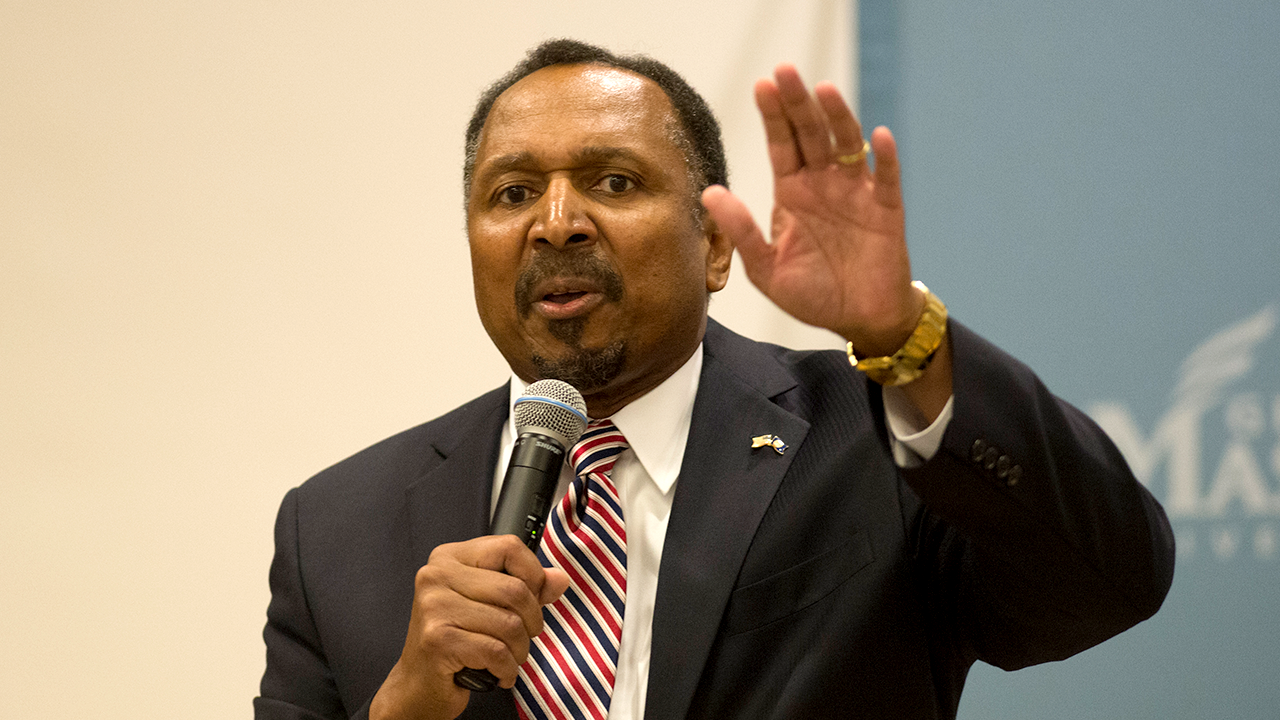
Earl Walker Jackson, a Black bishop and author, criticized Democrats and the left for what he called the “deeply insulting” claim that minorities cannot obtain voter I.D.s. He responded to a Reuters report that found 30,000 noncitizens were mistakenly registered to vote in 11 states. Jackson argued that noncitizen voting undermines American citizens and accused Democrats of supporting policies that allow ineligible voters to cast ballots. He rejected the idea that voter I.D. laws are discriminatory, citing his own experience being asked for an I.D. at a hotel. A Heritage Foundation fellow suggested the number of noncitizens on voter rolls is likely higher due to systemic flaws.
Our Reading
As expected, the matter has reached another stage.
Earl Walker Jackson calls out Democrats for supporting noncitizen voting.
He says voter I.D. laws are not racist, but a hotel asks for I.D. anyway.
Reuters says errors happened due to software glitches, not fraud.
Some say the real number is higher, but no one knows for sure.
It’s a ritual of accusation and counter-accusation, all in the name of fairness.
Author: Evan Null
Key Points
Earl Walker Jackson, a Black bishop and author, criticized Democrats for what he called the “deeply insulting” claim that minorities cannot get I.D.s to vote.
The debate over voter I.D. requirements intensified after a Reuters report found 30,000 noncitizens were “erroneously” registered to vote in 11 states.
Jackson argued that noncitizen voting disenfranchises American citizens and accused Democrats of supporting policies that allow ineligible voters to cast ballots.
A Heritage Foundation fellow said the number of noncitizens on voter rolls is likely higher due to systemic flaws and lack of verification.
Jackson rejected the idea that voter I.D. laws are discriminatory, citing his own experience being asked for an I.D. at a hotel.
Context and Reactions
Jackson, a nondenominational Christian leader and descendant of enslaved ancestors, said the findings underscored a growing problem of noncitizen voting that disenfranchises American citizens.
He accused Democrats of believing that people who shouldn’t vote will vote for them, calling it a “power grab.”
Reuters attributed the erroneous registrations to “software glitches and clerical errors” and said it was unable to determine how many noncitizens actually cast ballots.
The errors occurred in California, Illinois, Iowa, Nevada, Ohio, Oregon, Pennsylvania, South Dakota, Texas, Utah, and Virginia.
Don Palmer, a Heritage Foundation fellow, said the 30,000 number is likely an undercount due to legal loopholes and loose reporting requirements.
Political Implications
Jackson criticized efforts to resist more stringent voter eligibility verification and identification, calling them a new form of Jim Crow.
He said the implication that Black people cannot get I.D.s is “deeply insulting and deeply offensive.”
Jackson pointed to a hotel where he was staying as an example, noting that he was asked for an I.D. upon arrival.
He said he does not hate illegal aliens but believes they should not be allowed to vote in U.S. elections.
He concluded that most Americans are people of goodwill who want to preserve the integrity of the electoral system.
Public Response and Coverage
The Reuters report was covered by Fox News, which highlighted the 30,000 noncitizen registrations as a “voting scandal.”
Some outlets, like Fox News, emphasized the potential threat to democracy posed by noncitizen voting.
Jackson’s comments were featured in a Fox News Digital interview, where he criticized Democrats and called for stricter voter I.D. laws.
Other reports, like one from the Department of Homeland Security, highlighted cases of noncitizens voting illegally.
The debate over voter I.D. laws and noncitizen registration continues to be a contentious issue in U.S. politics.
Broader Implications
The issue of noncitizen voting has become a focal point in the broader debate over election integrity and voter fraud.
Supporters of voter I.D. laws argue that they are necessary to prevent fraud and ensure fair elections.
Opponents say such laws disproportionately affect minority and low-income voters, who may face greater barriers to obtaining I.D.s.
The debate often reflects deeper political divisions over the role of government, individual rights, and the fairness of the electoral process.
As the 2024 election approaches, these issues are likely to remain at the center of political discourse.