Source: Fox News
Summary
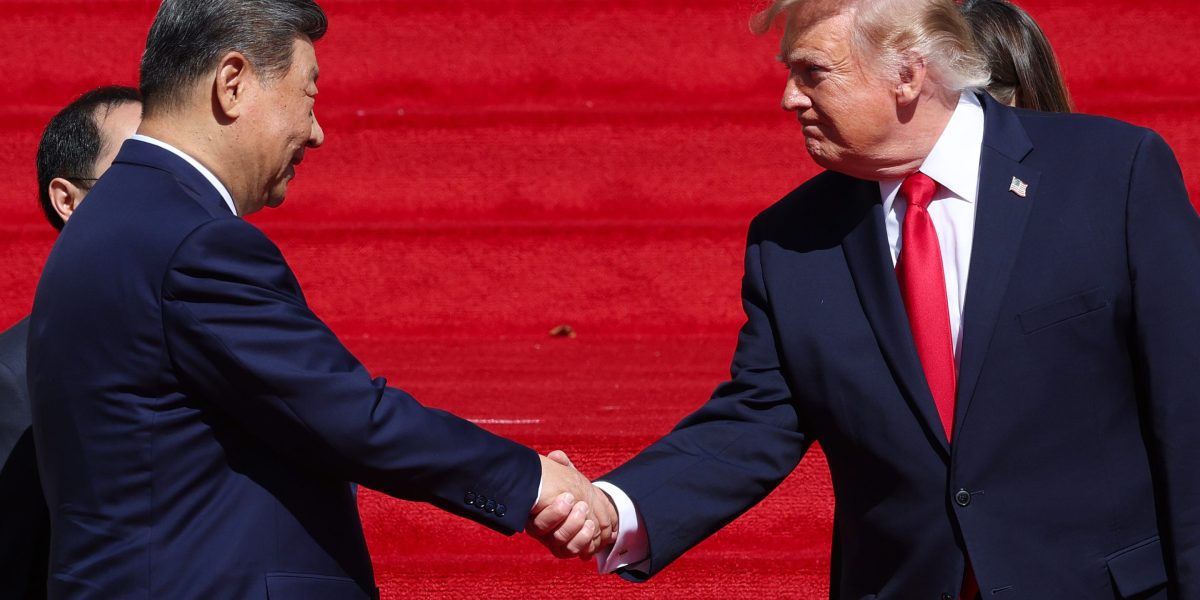
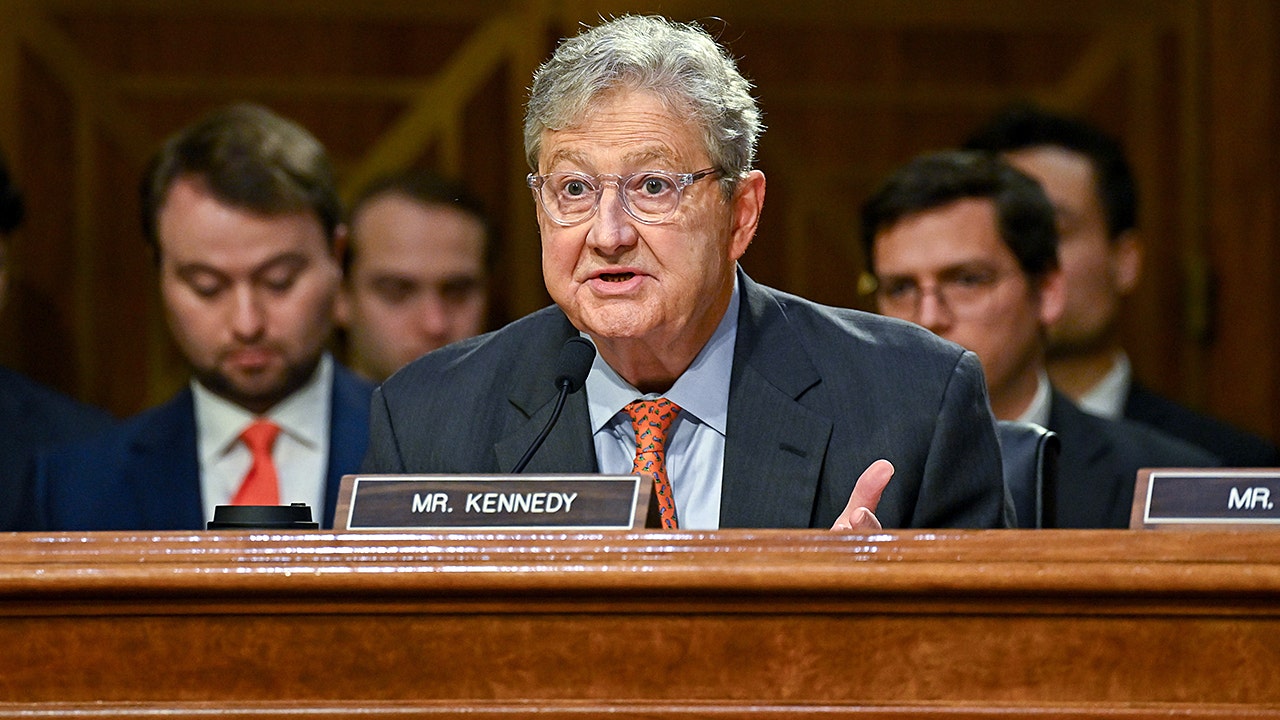
Sen. John Kennedy, R-La., said living public officials should not have buildings named after them and proposed a rule to stop such efforts. This follows President Trump’s attempts to rename the Kennedy Center and other federal buildings after himself. Kennedy criticized the use of public funds for self-promotion and suggested a ban on naming buildings after living officials. Trump has sought to rename multiple federal buildings, including the Kennedy Center, but courts have blocked some efforts. A federal judge recently ordered Trump’s name removed from the Kennedy Center, stating only Congress can rename it.
Our Reading
As expected, the matter has reached another stage.
Kennedy speaks against renaming buildings while Trump pushes for it.
Public funds are used for self-promotion, as Trump’s name appears on federal buildings.
Courts block Trump’s efforts, but his allies continue to push for changes.
The process repeats, with names and buildings as symbols of political performance.
Author: Evan Null
Renaming as a Political Ritual
Sen. John Kennedy’s comments on renaming buildings reflect a recurring political debate. The idea of naming public spaces after living officials has long been a point of contention. Trump’s attempts to rename the Kennedy Center and other federal buildings highlight the ongoing struggle between political ambition and institutional rules.
Kennedy’s push for a rule against naming buildings while officials are alive suggests a desire to prevent self-promotion through public funds. This aligns with broader concerns about the use of taxpayer money for political gain. However, the debate remains unresolved, with Trump and his allies continuing to push for changes.
The Kennedy Center’s partial ceiling collapse adds a layer of irony to the situation. While the building faces structural issues, its name remains a point of political contention. This juxtaposition underscores the tension between practical concerns and symbolic gestures.
Trump’s history of seeking to rename public spaces, including Penn Station and Dulles Airport, demonstrates a pattern of using public infrastructure as a platform for personal recognition. His comments about the “Trump Promenade” further illustrate this tendency.
The legal battles over renaming the Kennedy Center show the complexity of the issue. Courts have ruled that only Congress has the authority to change the center’s name, highlighting the separation of powers in the process.
The Performance of Public Naming
The act of renaming public buildings has become a performance of political power. Each attempt by Trump to rename a facility is a public statement, even if it is met with resistance. The process of naming and renaming reflects the broader dynamics of political influence and institutional control.
Sen. Kennedy’s comments are part of a larger conversation about the ethics of using public resources for personal gain. His suggestion of a rule against naming buildings while officials are alive is a response to the growing trend of self-promotion in public life.
The repeated attempts by Trump to rename the Kennedy Center and other buildings illustrate the persistence of this political ritual. Despite court rulings and public opposition, the effort continues, showing the durability of such initiatives.
The Kennedy Center’s partial collapse adds a layer of irony to the situation. While the building faces structural challenges, its name remains a point of political contention. This juxtaposition highlights the tension between practical concerns and symbolic gestures.
The legal and political battles over renaming the Kennedy Center demonstrate the complexity of the issue. Courts have ruled that only Congress has the authority to change the center’s name, emphasizing the role of institutional checks in the process.
Public Funds and Personal Promotion
The use of public funds for personal promotion has become a central issue in the debate over renaming buildings. Sen. Kennedy criticized this practice, arguing that public officials should not use taxpayer money to promote themselves. This sentiment is echoed by many who view such efforts as inappropriate and unethical.
Trump’s attempts to rename the Kennedy Center and other federal buildings have been met with legal challenges. Courts have ruled that only Congress has the authority to change the center’s name, emphasizing the importance of institutional oversight in such matters.
The controversy over the Kennedy Center’s name highlights the broader issue of how public resources are used. While the building faces structural issues, its name remains a point of political contention. This juxtaposition underscores the tension between practical concerns and symbolic gestures.
Trump’s history of seeking to rename public spaces, including Penn Station and Dulles Airport, demonstrates a pattern of using public infrastructure as a platform for personal recognition. His comments about the “Trump Promenade” further illustrate this tendency.
The legal battles over renaming the Kennedy Center show the complexity of the issue. Courts have ruled that only Congress has the authority to change the center’s name, highlighting the separation of powers in the process.
The Role of Courts in Naming Decisions
Courts have played a significant role in the debate over renaming public buildings. In the case of the Kennedy Center, a federal judge ruled that only Congress has the authority to change the center’s name. This decision underscores the legal boundaries of such actions and the importance of institutional checks.
Trump’s attempts to rename the Kennedy Center and other buildings have been met with legal challenges. These cases highlight the tension between executive authority and judicial oversight. The courts have consistently ruled that such decisions require legislative approval, reinforcing the separation of powers.
The legal battles over the Kennedy Center’s name demonstrate the complexity of the issue. Courts have ruled that only Congress has the authority to change the center’s name, emphasizing the role of institutional checks in the process.
The partial collapse of the Kennedy Center’s ceiling adds a layer of irony to the situation. While the building faces structural challenges, its name remains a point of political contention. This juxtaposition highlights the tension between practical concerns and symbolic gestures.
The legal and political debates over renaming the Kennedy Center reflect the broader dynamics of power and governance. The courts have consistently ruled that such decisions require legislative approval, reinforcing the importance of institutional oversight.
Political Symbolism and Public Spaces
The renaming of public buildings has long been a symbol of political influence. Each attempt to rename a facility reflects the ambitions of the individual seeking recognition. This practice has become a recurring feature of political life, with each new administration seeking to leave its mark on public spaces.
Sen. Kennedy’s comments on the issue reflect a growing concern about the use of public resources for personal gain. His suggestion of a rule against naming buildings while officials are alive is a response to the increasing trend of self-promotion in public life. This sentiment is shared by many who view such efforts as inappropriate and unethical.
The controversy over the Kennedy Center’s name highlights the broader issue of how public resources are used. While the building faces structural issues, its name remains a point of political contention. This juxtaposition underscores the tension between practical concerns and symbolic gestures.
Trump’s history of seeking to rename public spaces, including Penn Station and Dulles Airport, demonstrates a pattern of using public infrastructure as a platform for personal recognition. His comments about the “Trump Promenade” further illustrate this tendency.
The legal battles over renaming the Kennedy Center show the complexity of the issue. Courts have ruled that only Congress has the authority to change the center’s name, highlighting the separation of powers in the process.