Source: Fortune
Summary
Fortune reports on U.S.-China relations following the Trump-Xi summit, highlighting tensions over intellectual property and AI. OpenAI paused training again, while Chinese companies like Alibaba and BYD gain traction globally. U.S. consumers face restrictions on Chinese products, though some U.S. executives seek Chinese tech. The Justice Department charged Huawei with criminal activity, and the NSA warned of Chinese AI espionage. Despite tensions, both nations agreed to an AI safety channel. American views of China are warming, with some U.S. companies looking to Chinese innovations.
Our Reading
The numbers tell one story.
OpenAI pauses training again.
Huawei faces criminal charges in the U.S.
Chinese AI firms accused of stealing trade secrets.
Trust remains a barrier despite shared interests.
Author: Evan Null
CEO Daily Highlights
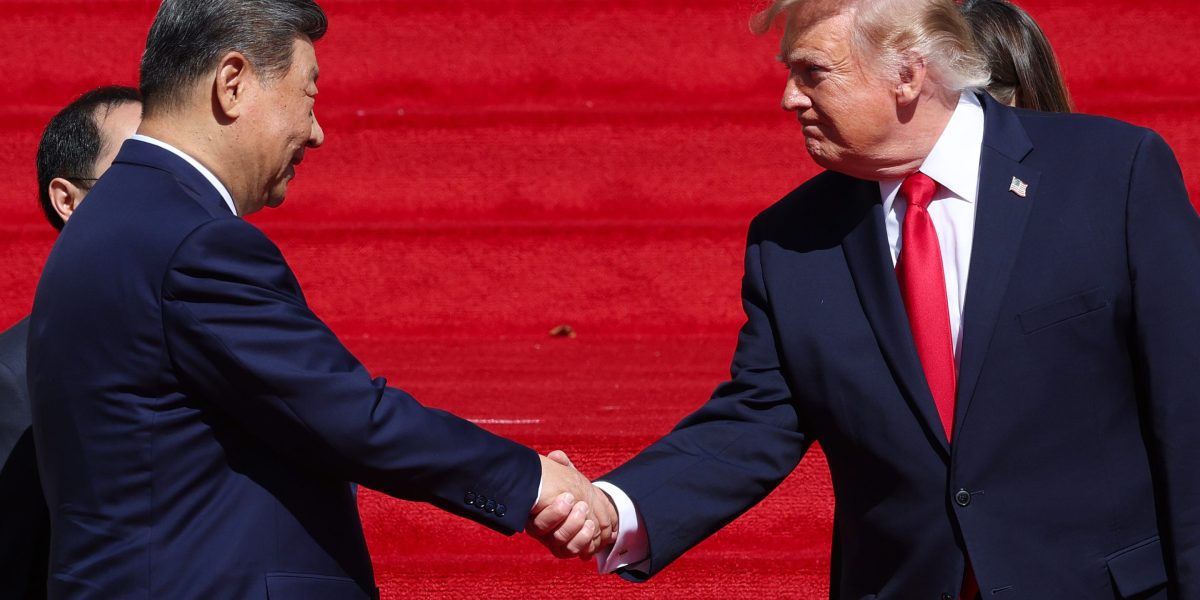
In today’s CEO Daily, the focus is on the aftermath of the Trump-Xi dinner, with the real challenges just beginning. The article highlights the growing tension between the U.S. and China, particularly in the realm of technology and intellectual property. OpenAI’s decision to pause training for the second time underscores the ongoing concerns around AI development and safety.
The article also discusses the mixed global market response, with oil prices rising slightly. This reflects the broader economic uncertainty that continues to affect international trade and investment. Despite these challenges, the U.S. and China are exploring ways to collaborate, particularly in the AI sector, as both nations recognize the strategic importance of this technology.
Chinese companies are making significant strides in key areas, prompting some U.S. executives to look toward Chinese innovations. However, concerns about security and unfair competition remain a major obstacle. The Justice Department’s case against Huawei highlights the deepening mistrust between the two countries, with allegations of criminal activity spanning decades.
The article also touches on the growing interest in Chinese products, despite the restrictions on U.S. consumers. Companies like BYD and Alibaba are gaining traction, showcasing the value and quality of their offerings. This shift in perception is notable, as American views of China are beginning to warm, even as global opinions of the U.S. are cooling.
Ultimately, the relationship between the U.S. and China remains complex, with both nations navigating a delicate balance of competition and cooperation. The establishment of an AI safety channel is a step toward dialogue, but the underlying issues of trust and security continue to shape the landscape of U.S.-China relations.