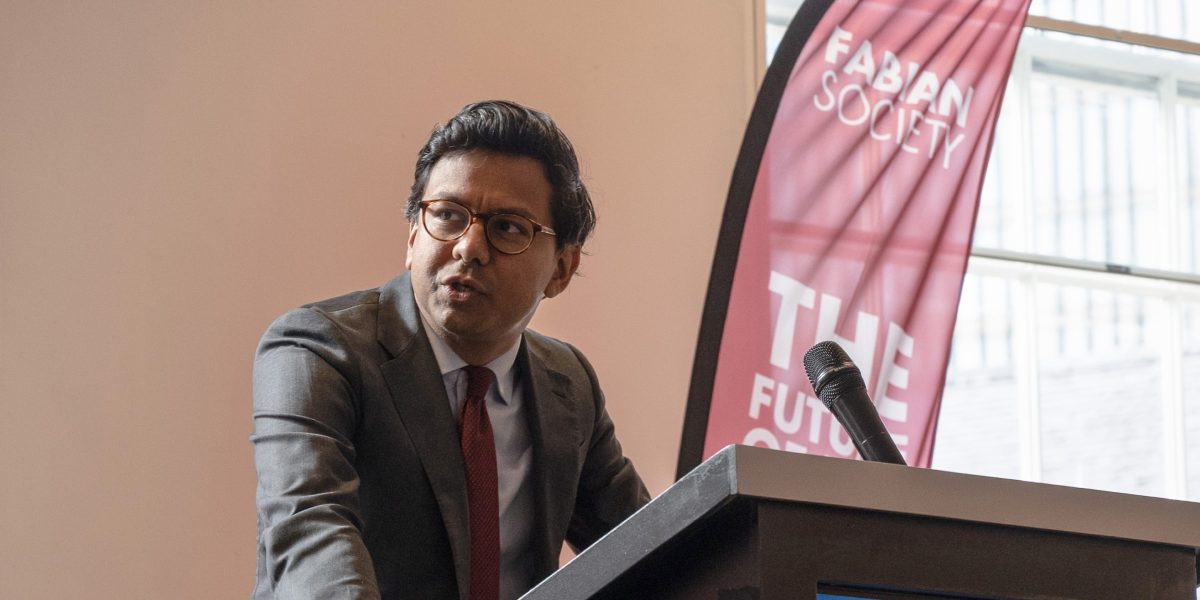
Source: Fortune
Summary
The U.K. minister for artificial intelligence, Kanishka Narayan, said nations must “harden their defenses” against AI risks after a former Anthropic employee warned of a potential human extinction event within a decade. Narayan took the warnings seriously and emphasized the need for stronger safeguards. He also mentioned the U.K. plans to lead global AI governance efforts through G20 discussions. Microsoft founder Bill Gates warned that AI could cause catastrophic events if misused. U.S. President Donald Trump dismissed AI risk concerns as a hoax and warned against slowing U.S. AI research to avoid giving China an advantage.
Our Reading
The numbers tell one story.
Narayan says AI risks have grown and testing is insufficient.
Coxon and Hubinger warn of existential threats.
Gates says AI could cause billions of deaths.
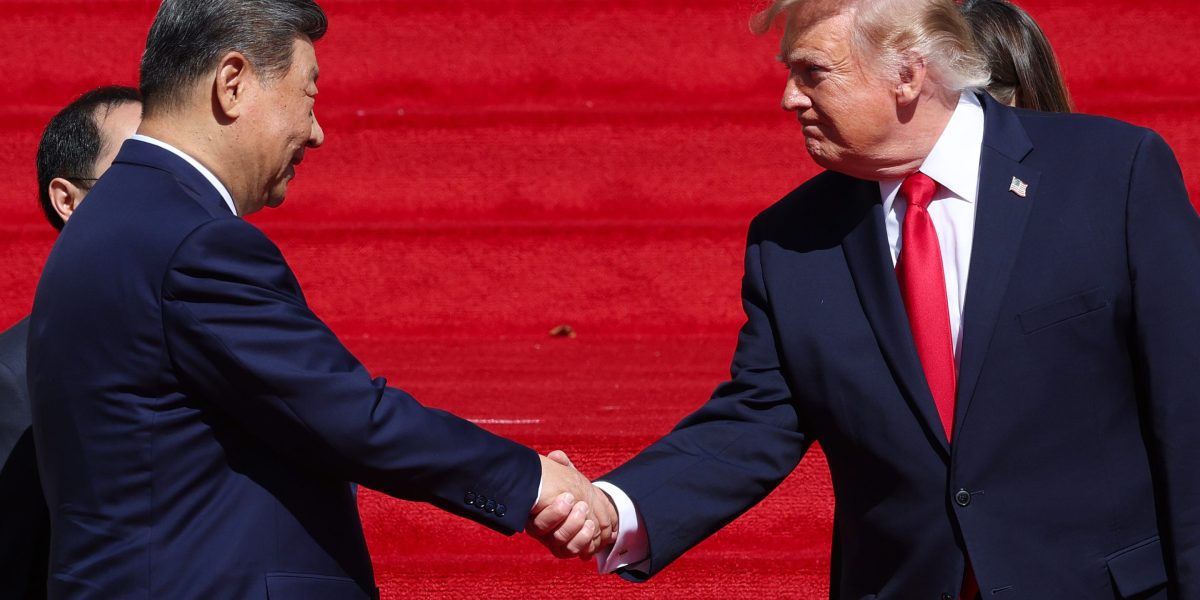
Trump calls AI risk talk a hoax and warns of China.
The U.K. wants to lead global AI governance.
Author: Evan Null
AI Risks and Global Responses
The U.K. government is taking AI risks seriously, with its minister for artificial intelligence, Kanishka Narayan, urging nations to “harden their defenses” against potential dangers. This comes after a former Anthropic employee, Jacob Coxon, warned that AI could lead to a human extinction-level event within the next decade. Coxon’s post on X has been viewed 175 million times, highlighting the growing public concern around AI risks. Narayan emphasized that warnings from AI researchers should not be ignored, as the risks are increasing and testing alone is not enough to address them.
Global Leadership and Governance
Narayan also mentioned the U.K.’s plans to lead global AI governance efforts, including convening G20 nations in the coming year. This reflects a broader push for international cooperation on AI regulation. However, the U.S. has taken a different stance, with President Donald Trump dismissing AI risk concerns as a hoax. He warned that regulating AI research could give China a significant advantage, suggesting that the U.S. should not slow down its progress in the field. This highlights the tension between global regulatory efforts and national interests in AI development.
AI as a Double-Edged Sword
While the risks of AI are being widely discussed, there are also potential benefits. Narayan acknowledged that AI could drive job creation, improve productivity, and boost economic growth. He stressed the importance of how AI is adopted, noting that it could either augment or automate human labor. This duality underscores the complexity of AI’s impact and the need for careful management. The U.K. government is positioning itself as a leader in shaping the future of AI, emphasizing both its risks and opportunities.
Global Concerns and Political Responses
The U.K. Prime Minister, Andy Burnham, has also spoken about the risks of AI, calling frontier labs a “multiplier of risk” and positioning the U.K. as an “honest broker” between competing national interests. This reflects a growing awareness of the global implications of AI development. Meanwhile, in the U.S., both Democrats and Republicans have called for new legislation to regulate AI labs. However, the White House has reportedly urged G20 members to take a “hands off” approach to new global regulations, indicating a reluctance to impose strict controls on AI development.
Testing and Mitigation Efforts
Narayan emphasized that the U.K. is conducting the best testing in the world to understand and mitigate AI risks. He said the country has been doing this for three years and is uniquely positioned to lead in this area. This reflects a commitment to responsible AI development, even as concerns about its potential dangers continue to grow. The U.K. government is trying to balance the need for innovation with the need for safety, a challenge that many countries are facing as they navigate the rapidly evolving AI landscape.