Source: Fox News
Summary
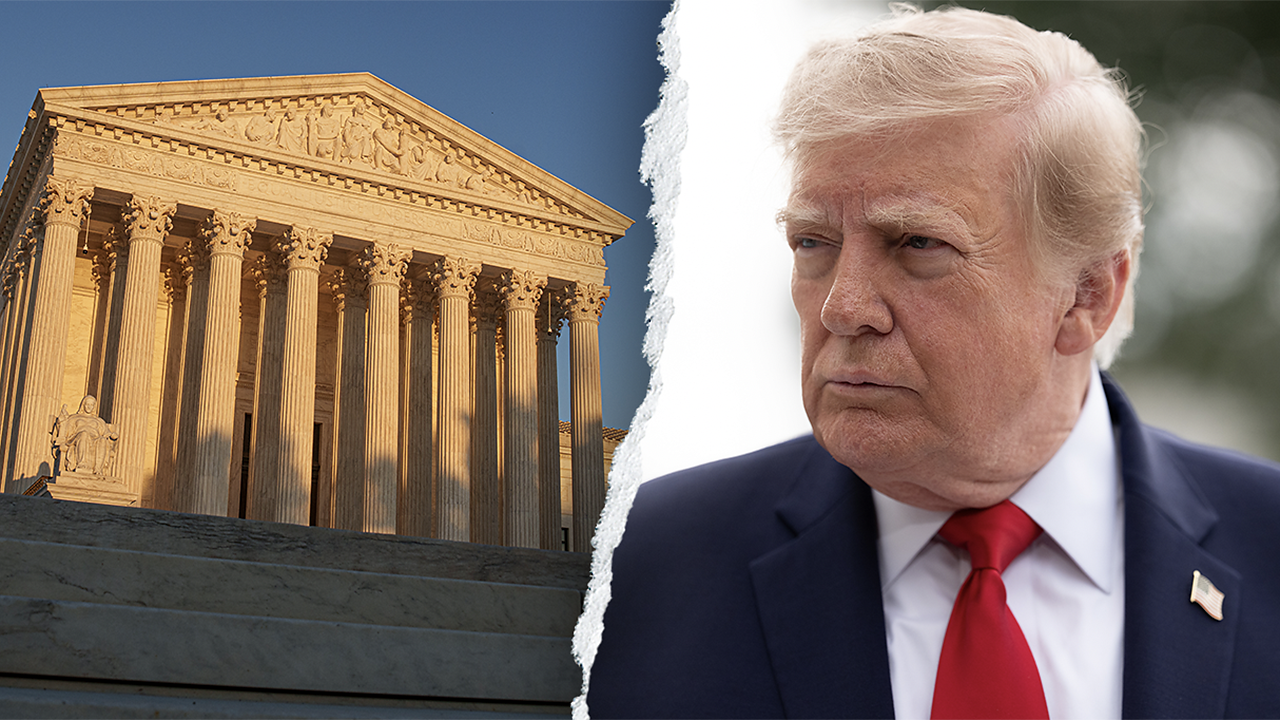
The Supreme Court granted the Trump administration a stay on a federal district court ruling that required additional procedures before illegal immigrants could be deported to third countries. The justices will hear the administration’s challenge, treating its emergency application as a petition for review. The decision allows the administration to continue deportations while the court considers the case. Lower courts had required procedures to ensure aliens could raise claims of persecution or torture in destination countries. The administration argued that these requirements interfered with diplomatic negotiations and U.S. foreign policy. The stay will remain in effect until the court issues a final ruling.
Our Reading
As expected, the matter has reached another stage.
The Supreme Court paused a lower court ruling.
The administration continues deportations.
Judges will argue the case in December.
Deportations remain a routine, not a decision.
Author: Evan Null
Supreme Court and Immigration Policy
The Supreme Court’s decision to grant a stay on the Trump administration’s immigration policy highlights the ongoing legal battles over deportation procedures. The administration’s efforts to deport illegal immigrants to third countries have faced resistance from lower courts, which have imposed additional procedural requirements. The high court’s action allows the policy to continue while the legal challenge is reviewed.
Legal Challenges and Procedural Requirements
The federal district court in Massachusetts had ruled that illegal immigrants must be given the opportunity to raise claims of persecution or torture before being deported. This requirement was seen as a hurdle by the administration, which argued that it disrupted diplomatic efforts with countries willing to accept deportees. The Supreme Court’s stay temporarily suspends this ruling, allowing the administration to proceed with deportations.
Diplomatic and Legal Implications
The Trump administration claimed that the lower court’s ruling undermined U.S. foreign policy by complicating diplomatic negotiations with third countries. The government argued that judicial intervention in these arrangements could cause significant harm to international relations. The Supreme Court’s decision to hear the case reflects the complexity of balancing legal procedures with diplomatic concerns.
Continued Legal Battles
The case is the third time in 18 months that the Supreme Court has been asked to stay a district court ruling on the Trump administration’s immigration policy. The administration’s efforts to remove illegal immigrants, including those with criminal records, have faced consistent legal challenges. The Supreme Court’s upcoming review of the case will determine the future of the policy.
Political and Judicial Dynamics
The Supreme Court’s decision to grant the stay and schedule arguments for December underscores the political nature of the case. The administration’s stance on immigration has been a key part of its agenda, and the court’s actions reflect the ongoing tension between executive authority and judicial oversight. The outcome of the case could have significant implications for future immigration policies and legal challenges.