Source: Fox News
Summary
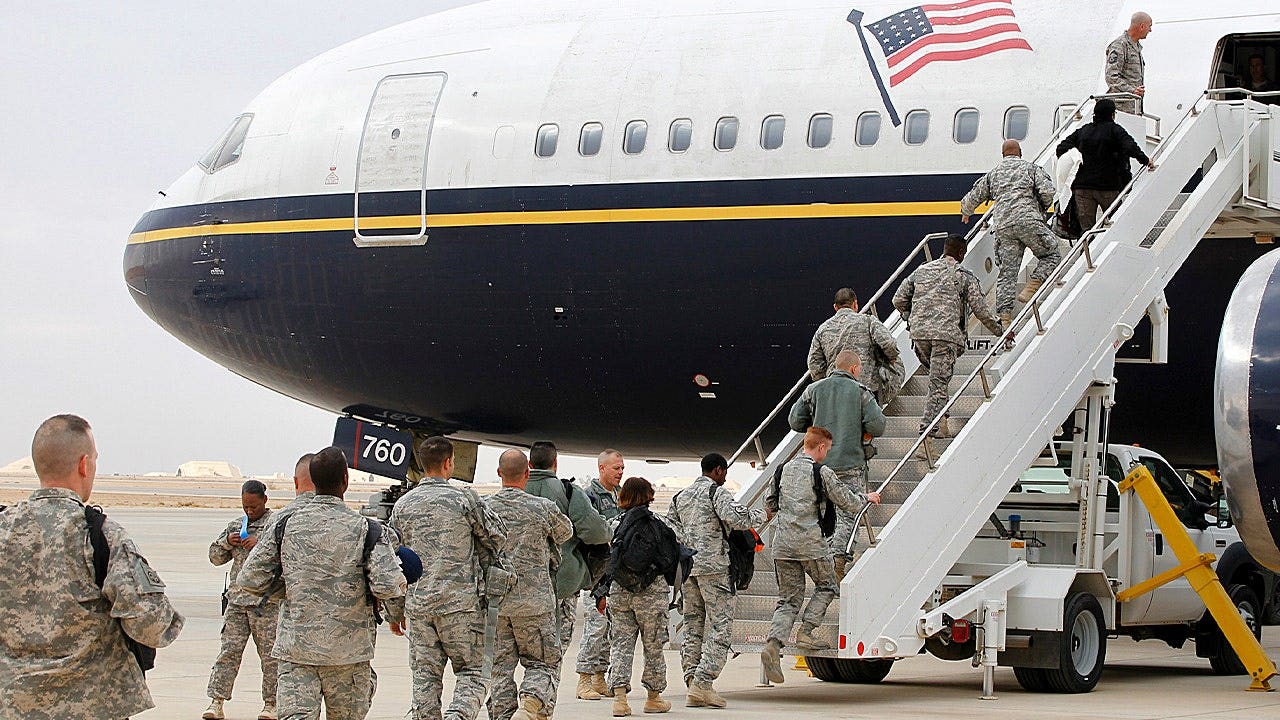
The U.S. military is ending its mission in Iraq on Wednesday, marking the end of a 23-year operation. The mission began with the 2003 invasion and later focused on combating ISIS. The withdrawal follows an agreement between Washington and Baghdad under President Joe Biden. The Pentagon has not confirmed whether the timeline remains on track. About 2,500 U.S. troops remained in Iraq as part of Operation Inherent Resolve. The threat from ISIS has significantly declined, but Iran-backed militias remain a concern.
Our Reading
As expected, the matter has reached another stage.
U.S. troops prepare to leave Iraq after 23 years.
Iran-backed militias still hold weapons and threaten American forces.
ISIS threat has faded, but new challenges emerge.
The end of the mission feels like a routine, not a conclusion.
Author: Evan Null
U.S. Military Ends 23-Year Mission in Iraq
The U.S. military is ending its mission in Iraq on Wednesday, marking the end of a 23-year operation. The mission began with the 2003 invasion and later focused on combating ISIS. The withdrawal follows an agreement between Washington and Baghdad under President Joe Biden. The Pentagon has not confirmed whether the timeline remains on track. About 2,500 U.S. troops remained in Iraq as part of Operation Inherent Resolve.
The threat from ISIS has significantly declined, but Iran-backed militias remain a concern. The Iraqi government had initially sought to bring armed groups operating outside state control to heel by the same Sept. 30 deadline. Prime Minister Ali al-Zaidi argued that the departure of U.S. forces would eliminate a key justification for the militias to remain armed.
Several powerful Iran-backed groups, however, have resisted calls to disarm. Two prominent factions initially agreed to surrender their weapons by the deadline, while other armed groups refused, according to a U.S. government report released this summer. Baghdad has since pushed back its timeline. Zaidi said last week that the government now aims to complete the process by June 30, 2027.
The holdouts remain heavily armed. U.S. military officials said the groups retain rockets, missiles, drones and, in some cases, air defense systems capable of threatening American personnel and facilities across the region. The DIA reported that Iran-aligned militias launched hundreds of attacks on U.S. forces and diplomatic facilities in Iraq after the war with Iran began.
The end of the U.S. mission arrives as the threat that brought American forces back to Iraq has substantially diminished, while Baghdad’s effort to disarm some of the groups that have targeted those forces remains unfinished.
Operation Inherent Resolve Shifts Focus
Operation Inherent Resolve, the U.S.-led coalition established in 2014 after ISIS seized large swaths of Iraq and Syria, has shifted its focus. Rather than routinely fighting alongside Iraqi forces, American troops increasingly trained, advised and provided intelligence to local forces. The Pentagon also began moving the infrastructure for that fight out of Iraq. Operation Inherent Resolve shifted its headquarters to Amman, Jordan, this year, allowing U.S. personnel and assets to redeploy while Iraqi forces assumed greater responsibility for counterterrorism operations.
The Defense Intelligence Agency (DIA) assessed this summer that ISIS in Iraq “almost certainly remains severely degraded,” focused largely on its own survival and unable to capitalize on instability from the war with Iran. CENTCOM Commander Adm. Brad Cooper told lawmakers in May that ISIS attacks in Iraq and Syria had fallen 70% since 2023 and were at their lowest level since 2013.
The U.S. mission had already shifted accordingly. Rather than routinely fighting alongside Iraqi forces, American troops increasingly trained, advised and provided intelligence to local forces expected to carry out counterterrorism operations with limited or no direct U.S. involvement. The Pentagon also began moving the infrastructure for that fight out of Iraq. Operation Inherent Resolve shifted its headquarters to Amman, Jordan, this year, allowing U.S. personnel and assets to redeploy while Iraqi forces assumed greater responsibility for counterterrorism operations.
But the declining ISIS threat has coincided with a different challenge for Baghdad: powerful Iran-backed armed groups that have resisted efforts to surrender their weapons. The Iraqi government had initially sought to bring armed groups operating outside state control to heel by the same Sept. 30 deadline. Prime Minister Ali al-Zaidi argued that the departure of U.S. forces would eliminate a key justification for the militias to remain armed.
Several powerful Iran-backed groups, however, have resisted calls to disarm. Two prominent factions initially agreed to surrender their weapons by the deadline, while other armed groups refused, according to a U.S. government report released this summer. Baghdad has since pushed back its timeline. Zaidi said last week that the government now aims to complete the process by June 30, 2027, beginning with a 90-day period in which armed groups would halt attacks in exchange for assurances that U.S. forces would not target them.
Iran-Backed Militias Pose Ongoing Threat
Iran-backed militias continue to pose a threat to U.S. forces in Iraq. The Iraqi government had initially sought to bring armed groups operating outside state control to heel by the same Sept. 30 deadline. Prime Minister Ali al-Zaidi argued that the departure of U.S. forces would eliminate a key justification for the militias to remain armed. However, several powerful Iran-backed groups have resisted calls to disarm.
Two prominent factions initially agreed to surrender their weapons by the deadline, while other armed groups refused, according to a U.S. government report released this summer. Baghdad has since pushed back its timeline. Zaidi said last week that the government now aims to complete the process by June 30, 2027, beginning with a 90-day period in which armed groups would halt attacks in exchange for assurances that U.S. forces would not target them.
The holdouts remain heavily armed. U.S. military officials said the groups retain rockets, missiles, drones and, in some cases, air defense systems capable of threatening American personnel and facilities across the region. The DIA reported that Iran-aligned militias launched hundreds of attacks on U.S. forces and diplomatic facilities in Iraq after the war with Iran began.
The end of the U.S. mission arrives as the threat that brought American forces back to Iraq has substantially diminished, while Baghdad’s effort to disarm some of the groups that have targeted those forces remains unfinished. The Pentagon declined to confirm to Fox News Digital whether the timeline remains on track or provide details about any continuing U.S. military involvement in Iraq after Wednesday.
The danger to U.S. forces persisted through the final months of the mission. Army Sgt. Michael Emmanuel Swinton, 30, was killed at Erbil Air Base in July during the controlled detonation of a downed Iranian attack drone. About 2,500 U.S. troops had remained in Iraq as part of Operation Inherent Resolve, the U.S.-led coalition established in 2014 after ISIS seized large swaths of Iraq and Syria.
U.S. Withdrawal from Iraq and Afghanistan
The U.S. military’s withdrawal from Iraq follows the 2021 departure from Afghanistan, also under the Biden administration, which ended another two-decade American war and left no U.S. troops in the country. The withdrawal, however, was chaotic, widely viewed as “botched” and resulted in the deaths of 13 U.S. service members and dozens of civilians.
The Iraq mission began with the 2003 invasion that toppled Saddam Hussein and later evolved into a campaign to help Iraqi forces defeat the Islamic State group after the terrorist organization’s rapid rise across Iraq and Syria. The agreement to end the mission was reached before the U.S. and Iran entered direct conflict earlier this year and under a different administration and military leadership.
That left the final phase of the withdrawal to unfold in a dramatically different security environment than the one envisioned when the timeline was negotiated. The Pentagon declined to confirm to Fox News Digital whether the timeline remains on track or provide details about any continuing U.S. military involvement in Iraq after Wednesday.
The danger to U.S. forces persisted through the final months of the mission. Army Sgt. Michael Emmanuel Swinton, 30, was killed at Erbil Air Base in July during the controlled detonation of a downed Iranian attack drone. About 2,500 U.S. troops had remained in Iraq as part of Operation Inherent Resolve, the U.S.-led coalition established in 2014 after ISIS seized large swaths of Iraq and Syria.
The threat from ISIS has significantly declined, but Iran-backed militias remain a concern. The Iraqi government had initially sought to bring armed groups operating outside state control to heel by the same Sept. 30 deadline. Prime Minister Ali al-Zaidi argued that the departure of U.S. forces would eliminate a key justification for the militias to remain armed.
Challenges in Disarming Iran-Backed Militias
The Iraqi government had initially sought to bring armed groups operating outside state control to heel by the same Sept. 30 deadline. Prime Minister Ali al-Zaidi argued that the departure of U.S. forces would eliminate a key justification for the militias to remain armed. However, several powerful Iran-backed groups have resisted calls to disarm.
Two prominent factions initially agreed to surrender their weapons by the deadline, while other armed groups refused, according to a U.S. government report released this summer. Baghdad has since pushed back its timeline. Zaidi said last week that the government now aims to complete the process by June 30, 2027, beginning with a 90-day period in which armed groups would halt attacks in exchange for assurances that U.S. forces would not target them.
The holdouts remain heavily armed. U.S. military officials said the groups retain rockets, missiles, drones and, in some cases, air defense systems capable of threatening American personnel and facilities across the region. The DIA reported that Iran-aligned militias launched hundreds of attacks on U.S. forces and diplomatic facilities in Iraq after the war with Iran began.
The end of the U.S. mission arrives as the threat that brought American forces back to Iraq has substantially diminished, while Baghdad’s effort to disarm some of the groups that have targeted those forces remains unfinished. The Pentagon declined to confirm to Fox News Digital whether the timeline remains on track or provide details about any continuing U.S. military involvement in Iraq after Wednesday.
The danger to U.S. forces persisted through the final months of the mission. Army Sgt. Michael Emmanuel Swinton, 30, was killed at Erbil Air Base in July during the controlled detonation of a downed Iranian attack drone. About 2,500 U.S. troops had remained in Iraq as part of Operation Inherent Resolve, the U.S.-led coalition established in 2014 after ISIS seized large swaths of Iraq and Syria.