Source: Fortune
Summary
The Trump administration is shifting federal homelessness policy away from “Housing First” programs, which provide permanent supportive housing, toward “Treatment First” models that prioritize short-term housing and mandatory services. This change, supported by HUD, has led to the cancellation of planned housing projects and forced nonprofits to reconsider their strategies. Advocates warn that the shift could harm the most vulnerable, including those with severe health issues. Studies show Housing First keeps people housed longer, but the administration argues it enables addiction and fails to address root causes. Some service providers say transitional housing won’t work for chronically homeless individuals, who often need long-term support.
Our Reading
The announcement sounds familiar.
HUD pushes “Treatment First” over Housing First.
Projects are canceled, funding shifts to short-term housing.
Advocates fear consequences for the most vulnerable.
Change is happening, but the cost is unclear.
Author: Evan Null
Homelessness and Policy Shifts
The Trump administration’s shift from “Housing First” to “Treatment First” is causing upheaval in homelessness services. This change is based on the belief that people need to address addiction and mental health before getting stable housing. However, advocates argue that this approach may not work for people with severe health issues, like those at the St. John Center in Louisville.
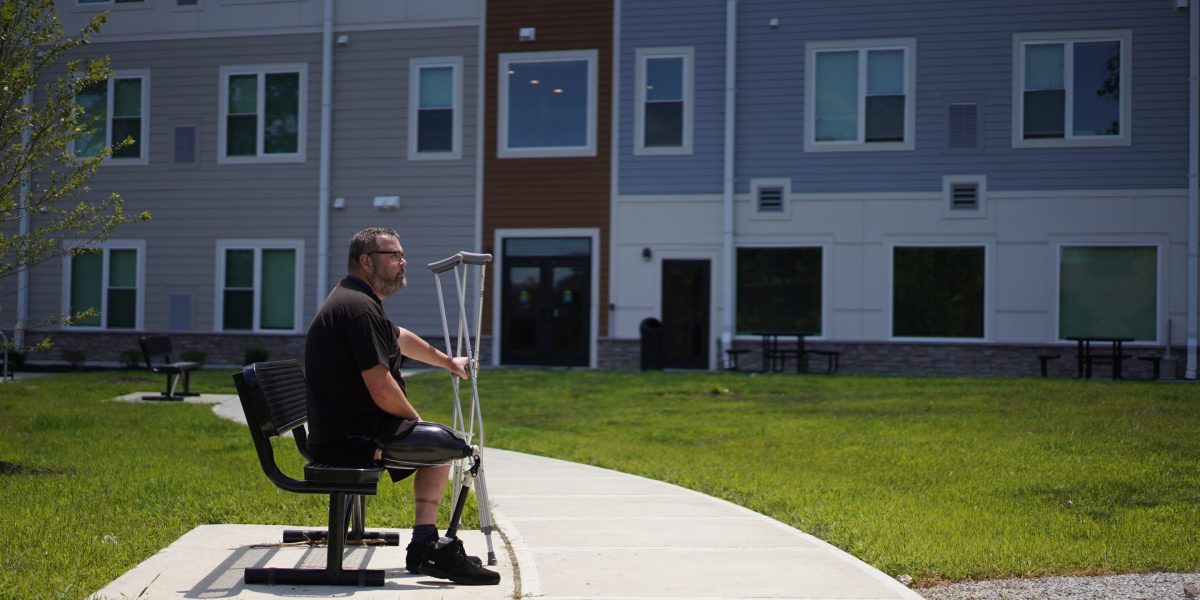
Many homeless individuals have complex medical and mental health needs. For example, Johnny Henderson, a 71-year-old with one arm, heart disease, and vision problems, is among those who rely on permanent supportive housing. Without it, he may be forced back onto the streets, where his health could deteriorate further.
HUD claims that Housing First has failed and that the new policies will promote recovery and self-sufficiency. But critics say the approach is too rigid and doesn’t account for the unique needs of different homeless populations. Some experts argue that a one-size-fits-all solution is not effective for people who have been homeless for years.
Nonprofits across the country are struggling to adapt to the new guidelines. In Louisville, St. John Center is considering converting some of its permanent housing into temporary units. This could leave many of its residents, including those with serious health conditions, without a stable place to live.
The changes are also affecting federal funding. The proposed budget for 2027 calls for cutting support for Housing First programs, which could lead to fewer available beds and more people being left without housing. This shift is creating uncertainty for service providers and the people they serve.
Challenges for Homeless Individuals
Homelessness is not just about lacking a roof—it’s about dealing with health, mental illness, and addiction. Many homeless people have chronic conditions that make it difficult to maintain stable housing. For example, James Myers, a 66-year-old blind man with heart failure and cancer, is hoping to move into an apartment soon. Without it, he may be forced to live on the streets, where his health could worsen.
Service providers like Angel Sivado, an outreach specialist in Louisville, say that homeless individuals often lack the resources to take care of themselves. They may not have access to regular medical care or medications, making it hard to manage their conditions. Outreach efforts are crucial, but they are also limited by the availability of housing and support services.
Some homeless individuals, like John Franklin, say that transitional housing is not a viable option for them. Franklin spent 14 years on the streets dealing with alcoholism and now relies on disability benefits. He says he couldn’t survive without the support of permanent housing, which provides a stable environment and access to services.
The shift in policy is also affecting communities across the country. In Santa Cruz County, California, the loss of federal funding for permanent housing is making it harder to help people who are homeless. Without stable housing, individuals may not be able to access the care they need, leading to a cycle of homelessness and poor health.
For many homeless individuals, the new policies mean more uncertainty and fewer options. As one housing office employee told Johnny Henderson, something will have to happen for him, but with his health issues, it may not come soon enough.
Impact on Nonprofits and Service Providers
Nonprofits that provide housing and support services are struggling to adapt to the new policies. Many of these organizations rely on federal funding, and the shift away from Housing First is forcing them to rethink their strategies. In Louisville, St. Vincent de Paul and Family Health Centers-Phoenix Health Care for the Homeless are considering converting some of their permanent supportive housing units into transitional housing.
This change could leave many of their residents without the long-term support they need. For example, St. John Center’s Sheehan Landing, a complex with 80 furnished apartments, may be the only permanent housing option left after the conversion. This means that individuals like Phillip Sieveking, who relies on the support of the community, may be forced to move into a less stable environment.
The shift in funding is also affecting planned housing projects. In Corbin, Kentucky, a planned permanent supportive housing project that included childcare and access to college classes was canceled. This means that the community will have fewer resources to help homeless individuals, especially those with complex needs.
Nonprofit leaders say they are being forced to make difficult decisions. In some cases, they are having to choose between maintaining existing programs or adapting to the new guidelines. This uncertainty is creating a sense of anxiety among staff and clients alike.
For organizations like The Delores Project in Denver, the changes mean that people already in permanent housing will stay, but fewer new individuals will be able to access it. This could lead to a backlog of people waiting for housing, making it harder for those in need to get the help they require.
Public and Political Reactions
The shift in policy has sparked a debate among advocates, service providers, and the public. Some argue that the new approach will lead to better outcomes for homeless individuals by focusing on treatment and recovery. Others believe that the changes will harm the most vulnerable and make it harder to address homelessness effectively.
Advocates like Ra’Shann Martin, executive director of St. John Center, say that housing is healthcare and that people need stability before they can address other issues. She argues that the new policies are not taking into account the unique needs of homeless individuals, many of whom have severe health conditions.
On the other hand, officials like Devon Kurtz, director of public safety policy for the Cicero Institute, say that mandatory services should be part of the solution. He believes that a one-size-fits-all approach is not effective and that some individuals need more structure and support to get their lives back on track.
The debate over homelessness policy is not just about funding—it’s about values. Some believe that the goal should be to reduce homelessness as much as possible, while others argue that the focus should be on helping individuals become self-sufficient and independent.
The changes in policy are also affecting the legal landscape. A federal judge ruled that HUD’s attempt to rework its homelessness grants was not valid, but an appeals court has allowed the administration to move forward. This legal uncertainty is making it harder for service providers to plan for the future.
As the debate continues, the impact on homeless individuals remains unclear. For many, the new policies mean more uncertainty and fewer options. For some, like Johnny Henderson, it may mean more time on the streets as they grow older and sicker.
Future Outlook and Challenges
The future of homelessness policy in the U.S. remains uncertain. With the Trump administration pushing for a shift away from Housing First, many service providers are scrambling to adapt. The changes in funding and policy could have long-term consequences for the most vulnerable individuals, including those with severe health issues and complex needs.
Advocates argue that the new policies may not be effective in the long run. They say that without stable housing, individuals may not be able to access the care and support they need, leading to a cycle of homelessness and poor health. This could result in higher costs for the healthcare system and increased strain on social services.
Nonprofits and service providers are also facing financial challenges. With the shift in funding, many organizations are struggling to maintain their programs and services. This could lead to cuts in support for homeless individuals, making it harder for them to access the resources they need to improve their lives.
The changes in policy are also affecting the legal landscape. A federal court has ruled that HUD’s attempt to rework its homelessness grants was not valid, but an appeals court has allowed the administration to move forward. This legal uncertainty is making it harder for service providers to plan for the future and make long-term decisions.
As the debate over homelessness policy continues, the impact on individuals remains a major concern. For many, the new policies mean more uncertainty and fewer options. For some, like Johnny Henderson, it may mean more time on the streets as they grow older and sicker.