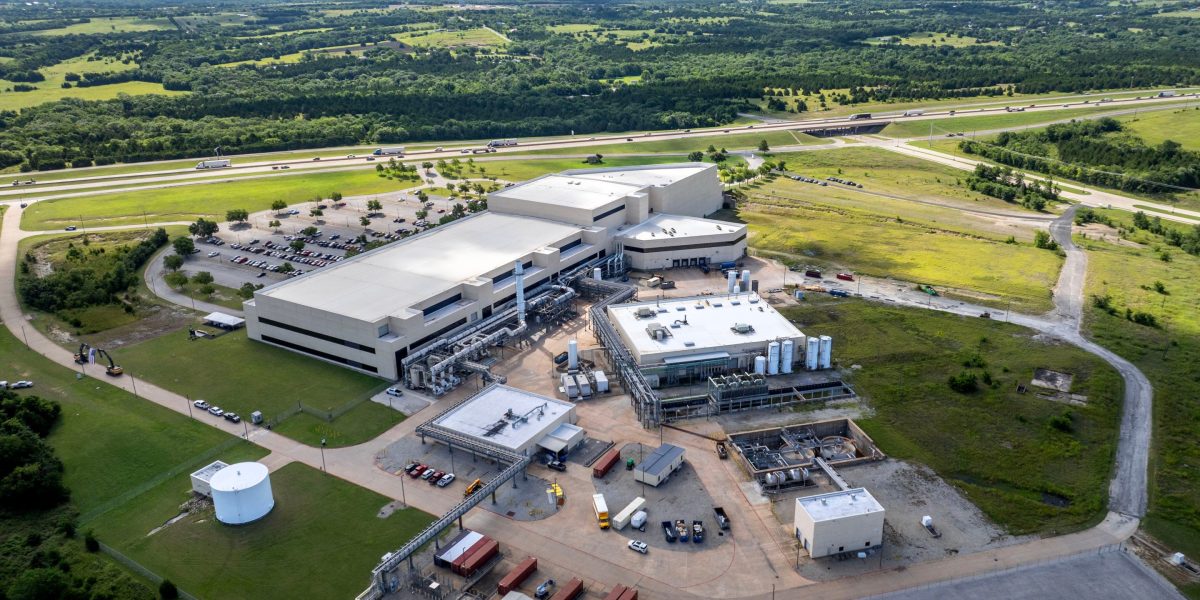
Source: Fortune.com
Summary
The U.S. economy grew at a 2.2% annual rate in the second quarter, driven by strong consumer spending and business investment. Consumer spending rose 3.8%, while business investment, excluding housing, increased 9%. Imports, however, reduced growth by nearly 1.7 percentage points. The Commerce Department revised its initial estimate of 1.5% to 2.2%. The report highlights the economy’s reliance on AI-driven growth and wealth effects. Michael Pearce of Oxford Economics noted the economy’s sensitivity to AI-related optimism.
Our Reading
The numbers tell one story.
Consumer spending up 3.8%, business investment up 9%.
Imports dragged growth down by 1.7 percentage points.
Economy leans on AI and wealth effects for growth.
Optimism on AI remains a key factor.
Author: Evan Null
U.S. GDP Growth in Q2
The U.S. economy grew at a 2.2% annual rate in the second quarter, according to the Commerce Department. This marked a slight slowdown from the 2.5% growth seen in the first quarter but was higher than the initial estimate of 1.5%. The report showed that consumer spending, which makes up about 70% of economic activity, rose 3.8%, driven by a strong stock market and optimism around artificial intelligence.
Consumer Spending and Business Investment
Consumer spending increased significantly, from 0.7% in the first quarter to 3.8% in the second. This growth was supported by a booming stock market, which boosted the wealth of high-income households and increased their spending power. Business investment, excluding housing, also rose sharply, reaching 9% in the second quarter, reflecting the ongoing AI investment boom.
Imports and Economic Resilience
Despite strong domestic growth, imports rose at a 12.6% annual pace, which reduced GDP growth by nearly 1.7 percentage points. This increase was partly due to a surge in shipments of computer chips and other AI-related products. The U.S. economy has shown resilience despite geopolitical tensions, including the conflict with Iran and the resulting energy price spike.
Underlying Economic Strength
A measure of the economy’s underlying strength, which excludes volatile government spending and trade numbers, grew at a 4.6% rate in the second quarter, up from 1.8% in the first. This suggests that the economy is showing signs of sustained growth. However, the economy remains sensitive to changes in sentiment around AI and its impact on future growth.
Housing Market and Future Outlook
Investment in housing rose 2.8% in the second quarter, marking the first increase since the end of 2024. However, the housing market continues to be constrained by high mortgage rates. The Commerce Department’s final estimate of second-quarter GDP growth was released on Wednesday, with the first look at third-quarter growth expected on October 29.