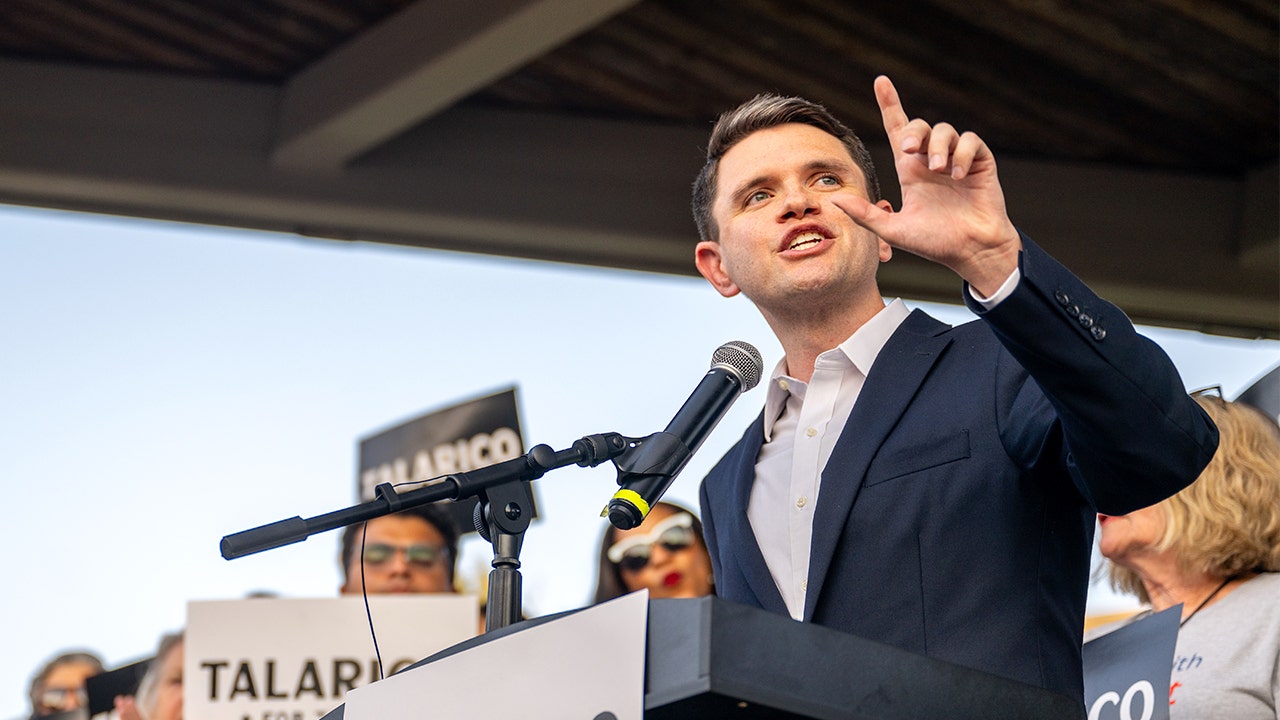
—
Source: Fox News
Summary
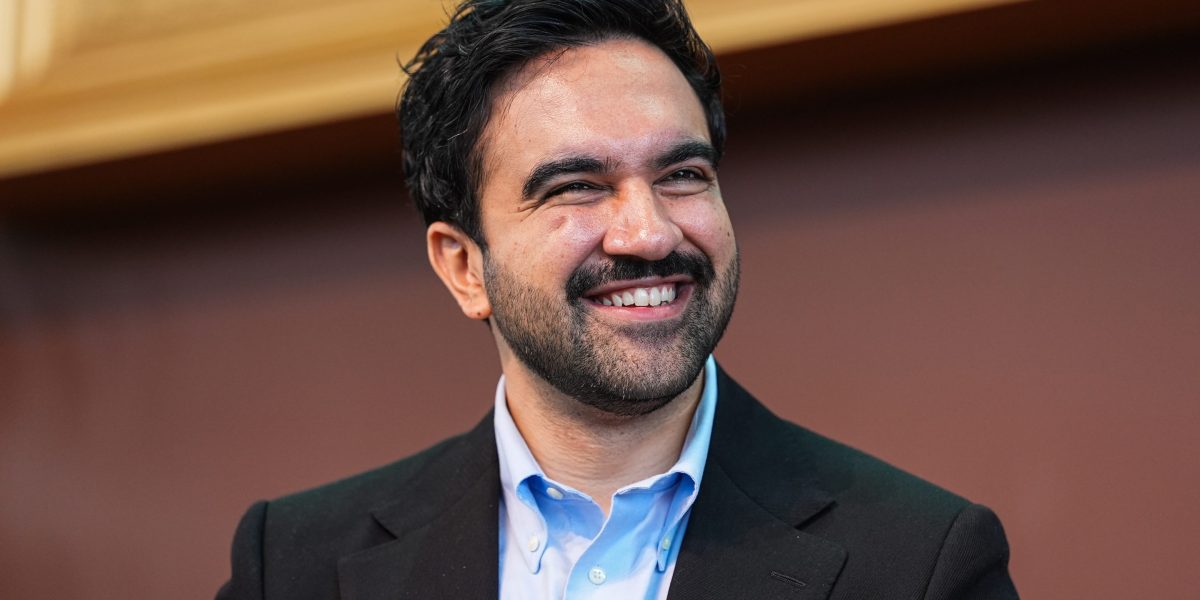
Texas Senate nominee James Talarico, a Presbyterian seminarian, has drawn criticism for linking his progressive policies to biblical teachings. He cited Jesus and the Hebrew prophets to justify universal healthcare and opposition to a “corrupt system.” Jim Agresti of Just Facts accused Talarico of promoting a “perverted version” of Christianity and misrepresenting the Bible. Agresti argued that Talarico’s support for government-funded healthcare conflicts with biblical teachings on self-sacrificing generosity. Talarico has previously made controversial religious statements, including calling Jesus a “radical feminist” and claiming God is non-binary. He faces Republican Ken Paxton in a key Senate race.
Our Reading
As expected, the matter has reached another stage.
Talarico quotes Jesus, then accuses others of misusing scripture.
Agresti calls him a false prophet, but also a seminarian.
Both men speak of the Bible, but not the same one.
It’s a ritual of claiming moral authority through sacred text.
Author: Evan Null
Texas Senate Race Heats Up
The Texas Senate race is gaining momentum as James Talarico, a progressive candidate, faces off against Republican Ken Paxton. Talarico, a Presbyterian seminarian, has been vocal about his faith and how it influences his political views. His campaign has been marked by controversy, particularly regarding his interpretation of religious texts. Talarico has defended his stance, saying he is motivated by the teachings of Jesus and a desire to fight corruption.
The race has drawn attention from both sides of the political spectrum, with Talarico’s opponents questioning his religious convictions and his interpretation of the Bible. Jim Agresti, a critic of Talarico, has accused him of misrepresenting Christian values and using religion to justify his political agenda. Agresti argues that Talarico’s views on healthcare and government intervention contradict biblical teachings on generosity and personal responsibility.
Talarico has also faced scrutiny for past statements, including his comments on transgender athletes and the overturning of Roe v. Wade. His campaign has responded by emphasizing his commitment to the teachings of Jesus and his dedication to fighting corruption. Despite the criticism, Talarico remains a strong contender in the race, with his supporters believing he represents a new kind of leadership in Texas politics.
The upcoming general election is seen as a pivotal moment for the state’s political landscape. With both candidates vying for the support of voters, the race has become a focal point for debates on the role of religion in politics and the interpretation of religious texts in public policy. Talarico’s ability to connect with voters through his faith and progressive values will be a key factor in determining the outcome of the race.
As the election approaches, the focus remains on the candidates’ ability to appeal to a broad range of voters. Talarico’s campaign continues to highlight his religious background and his commitment to social justice, while his opponents work to challenge his interpretation of the Bible and his political agenda. The race is shaping up to be a defining moment for Texas politics, with both candidates vying for the support of a diverse electorate.
Religious Interpretation and Political Messaging
Talarico’s use of religious language to support his political views has sparked debate among both supporters and critics. His arguments are rooted in the teachings of Jesus and the Hebrew prophets, which he claims provide a moral foundation for his progressive policies. However, critics like Jim Agresti argue that Talarico’s interpretation of the Bible is selective and does not align with traditional Christian values.
The tension between Talarico’s religious rhetoric and his political agenda highlights the broader issue of how religious beliefs are used in political discourse. While Talarico presents himself as a Christian leader, his critics question whether his actions and policies truly reflect the teachings of Jesus. This debate is not unique to Talarico, as many politicians use religious language to appeal to voters and justify their positions.
The controversy surrounding Talarico’s religious statements has also raised questions about the role of religion in public policy. Agresti argues that Talarico’s support for government-funded healthcare contradicts the Bible’s emphasis on individual responsibility and self-sacrifice. This perspective reflects a broader conservative viewpoint that views government intervention as a threat to personal freedom and religious values.
Despite the criticism, Talarico’s campaign continues to emphasize his commitment to the teachings of Jesus and his dedication to fighting corruption. His supporters believe that his faith provides a moral compass for his political decisions, and they see his campaign as a way to bring about positive change in Texas. This contrast between Talarico’s religious rhetoric and his political actions is a central theme in the ongoing debate about the intersection of faith and politics.
The debate over Talarico’s religious interpretation and its implications for his political agenda is likely to continue as the election approaches. Both sides will use their arguments to appeal to voters, with Talarico emphasizing his faith and progressive values, while his opponents challenge his interpretation of the Bible and his political agenda. This ongoing discussion reflects the broader challenges of balancing religious beliefs with political action in a diverse and often divided society.
Controversial Religious Statements
Talarico’s religious statements have been a source of controversy, particularly his comments on transgender athletes and the overturning of Roe v. Wade. In 2021, he made headlines by stating that “God is non-binary” while objecting to a bill that would ban transgender athletes from women’s sports. This statement, along with his claim that Jesus was a “radical feminist,” drew sharp criticism from conservative groups and religious leaders.
His comments on the overturning of Roe v. Wade in 2022 further fueled the debate, as he called the decision “unchristian.” This stance put him at odds with many evangelical Christians, who view the overturning of the landmark abortion ruling as a victory for religious freedom. Talarico’s ability to navigate these sensitive topics has been a key part of his campaign, as he seeks to appeal to a broad range of voters while maintaining his progressive values.
The controversy surrounding Talarico’s religious statements has also raised questions about the role of religious leaders in political discourse. Critics argue that his comments are not only controversial but also reflect a broader trend of using religious language to justify political positions. This approach has led to accusations that Talarico is more interested in political gain than in genuine religious conviction.
Despite the criticism, Talarico has continued to defend his statements, emphasizing his commitment to the teachings of Jesus and his belief in social justice. His campaign has framed these statements as a way to challenge the status quo and promote a more inclusive vision of faith. This approach has resonated with some voters, who see Talarico as a leader who is unafraid to speak out on important issues.
The ongoing debate over Talarico’s religious statements reflects the broader challenges of balancing faith and politics in a diverse society. As the election approaches, the focus will remain on how Talarico’s religious rhetoric and political agenda shape the perception of his candidacy. Whether his approach will resonate with voters or further divide the electorate remains to be seen.
Political Rhetoric and Religious Authority
Talarico’s campaign has been marked by a strong emphasis on religious authority, with him frequently citing the Bible to support his political positions. This approach has been both a strength and a weakness, as it allows him to connect with voters who value faith but also draws criticism from those who question the validity of his interpretations. His use of religious language has become a central part of his campaign, shaping the way he presents his policies and his vision for Texas.
Critics like Jim Agresti argue that Talarico’s religious rhetoric is not just a way to appeal to voters but also a means of justifying his progressive agenda. They claim that his interpretation of the Bible is selective and does not reflect the traditional teachings of Christianity. This debate highlights the broader issue of how religious beliefs are used in political campaigns and the extent to which religious leaders should be involved in public policy.
The controversy surrounding Talarico’s religious statements has also raised questions about the role of religious leaders in politics. While some see his faith as a source of inspiration and guidance, others view it as a way to manipulate public opinion and advance a political agenda. This tension is evident in the ongoing debate over Talarico’s religious rhetoric and its implications for his political career.
Despite the criticism, Talarico has continued to use religious language to frame his campaign, emphasizing his commitment to the teachings of Jesus and his belief in social justice. His supporters argue that his faith provides a moral foundation for his political decisions, while his opponents challenge the authenticity of his religious convictions. This ongoing debate reflects the broader challenges of balancing faith and politics in a diverse and often polarized society.
The way Talarico uses religious authority in his campaign will be a key factor in determining his success. Whether his approach resonates with voters or further divides the electorate will depend on how effectively he can connect his religious beliefs with his political agenda. As the election approaches, the focus will remain on the role of religion in politics and the extent to which religious leaders should be involved in public policy.
The Role of Religion in the Texas Senate Race
The Texas Senate race has become a focal point for debates about the role of religion in politics, with Talarico’s campaign using religious language to frame his policies and his vision for the state. His emphasis on the teachings of Jesus and the Hebrew prophets has drawn both support and criticism, as voters and analysts weigh the impact of his religious rhetoric on his political agenda. This debate reflects the broader challenges of balancing faith and politics in a diverse and often divided society.
Talarico’s use of religious language has been a key part of his campaign, allowing him to connect with voters who value faith while also appealing to those who support progressive policies. His arguments are rooted in the belief that his religious convictions provide a moral foundation for his political decisions, and he has consistently emphasized this connection in his public statements. This approach has helped him build a base of supporters who see his faith as a source of inspiration and guidance.
However, his religious rhetoric has also drawn criticism from opponents who question the validity of his interpretations and the extent to which his policies reflect true Christian values. Jim Agresti, a prominent critic, argues that Talarico’s approach is not only controversial but also misleading, as it uses religious language to justify a progressive agenda that may not align with traditional Christian teachings. This debate highlights the broader issue of how religious beliefs are used in political discourse and the extent to which religious leaders should be involved in public policy.
The controversy surrounding Talarico’s religious statements has also raised questions about the role of religious leaders in politics. While some see his faith as a source of inspiration and guidance, others view it as a way to manipulate public opinion and advance a political agenda. This tension is evident in the ongoing debate over Talarico’s religious rhetoric and its implications for his political career.
As the election approaches, the focus will remain on the role of religion in politics and the extent to which religious leaders should be involved in public policy. Talarico’s campaign will continue to emphasize his faith and his commitment to progressive values, while his opponents will challenge his interpretations and question the authenticity of his religious convictions. This ongoing debate reflects the broader challenges of balancing faith and politics in a diverse and often polarized society.