Source: Fortune.com
Summary
New York City Mayor Zohran Mamdani described the American Dream as increasingly unattainable, comparing it to winning a lottery. In an interview, he argued that the dream should be a guarantee, not a distant hope. He emphasized efforts to make housing, child care, and groceries more affordable. Mamdani also criticized the consolidation of opportunity and the city’s affordability crisis. His administration has faced legal challenges over a luxury property surcharge aimed at funding social programs.
Our Reading
The numbers tell one story.
Mamdani frames the American Dream as slipping away.
He compares it to a lottery, not a path.
His policies focus on affordability, not opportunity.
He admits he’s one of the lucky ones.
Author: Evan Null
Mayor Zohran Mamdani on the American Dream
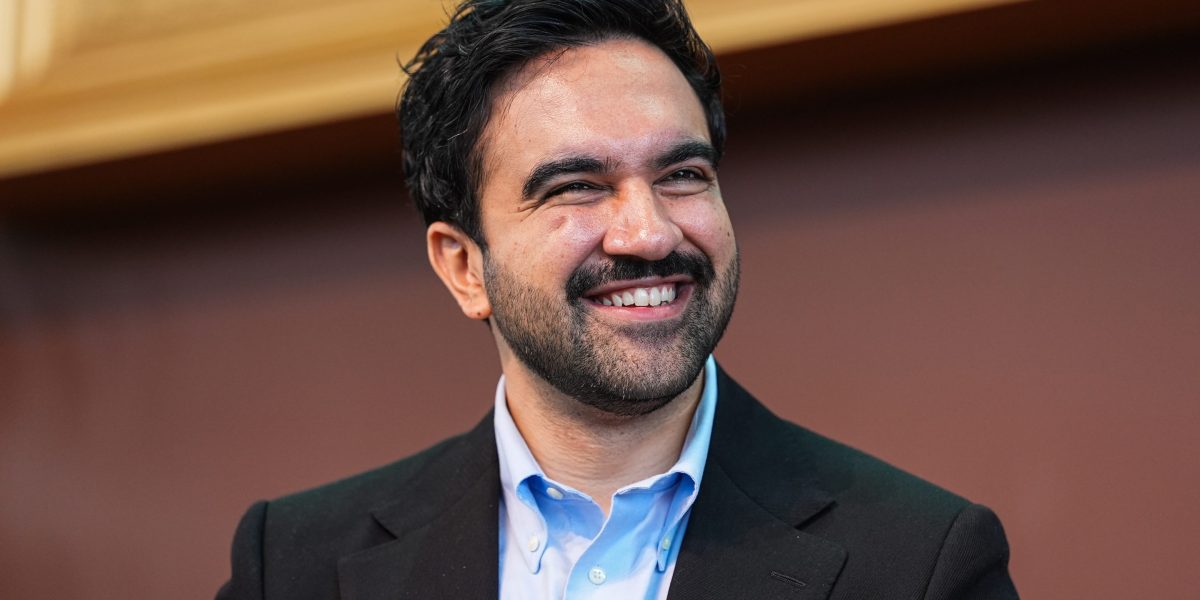
New York City Mayor Zohran Mamdani has spoken out about the declining accessibility of the American Dream, calling it a “guarantee” rather than a “vague hope.” In an interview, he emphasized that the dream should not be seen as something only achievable by a lucky few, but as a realistic goal for all. Mamdani likened the current state of the dream to winning a lottery, suggesting that people feel their chances of success are as slim as those of a jackpot.
Mamdani’s comments come amid a broader affordability crisis in New York, where rising costs of living have made it difficult for many to afford basic necessities. He has focused on initiatives to make housing, child care, and groceries more accessible, arguing that these are the “basic aspects of a good, dignified life.” His administration has also tried to tap into the city’s wealth through a luxury property surcharge, though this has faced legal challenges.
The mayor compared the current situation to the rise of fascism in Europe, referencing Fiorello La Guardia’s observations about people turning away from democracy when they were “tired of being hungry.” Mamdani warned that if the American Dream does not deliver a better life, it will lose its value. He also acknowledged that he is one of the “lucky few” who have achieved it, highlighting the growing divide between those who can afford to live in the city and those who cannot.
Mamdani’s views on the American Dream align with broader concerns about its decline. JPMorgan CEO Jamie Dimon has also warned that the dream is slipping out of reach for many, and has committed to a multiyear initiative to expand economic opportunity. Meanwhile, Ford CEO Jim Farley has pointed to a shortage of skilled trades as a barrier to the dream, emphasizing the importance of manufacturing and blue-collar jobs.
The affordability crisis has led to a “Great Postponement,” with many Americans delaying major life milestones like homeownership and starting a family. Despite this, many still believe the American Dream is achievable, though their hopes are fading. Mamdani’s efforts to make the dream more accessible reflect a growing push to address economic inequality and ensure that opportunity is not just a privilege for the few.
The American Dream as a Lottery
Mamdani’s comparison of the American Dream to a lottery underscores a growing sense of hopelessness among many Americans. He argued that if the dream is only visible through media or the success of a few, it loses its meaning. This sentiment is echoed by others, including JPMorgan CEO Jamie Dimon, who has warned that the dream is slipping out of reach for too many. The idea that success is now more about luck than hard work reflects a deepening crisis of opportunity and fairness.
The mayor’s focus on affordability highlights the growing gap between wealth and the middle class. He has called for policies that make housing and basic services more accessible, arguing that the city should be a place where people can live, not just visit. This vision is at odds with the current reality, where many New Yorkers struggle to afford even the basics. The legal setbacks faced by Mamdani’s luxury property surcharge further illustrate the challenges of implementing such policies.
Despite these challenges, Mamdani remains optimistic about the promise of the American Dream. He acknowledged that he is one of the “lucky few” who have achieved it, but he believes the dream is still worth fighting for. His comments reflect a broader conversation about the role of government in ensuring opportunity and fairness, as well as the need for systemic change to address inequality.
The debate over the American Dream is not just about individual success, but about the values and structures that define a society. As more people feel the dream is out of reach, the pressure on leaders to act grows. Mamdani’s efforts to make the dream more accessible are part of a larger movement to redefine what it means to live a good, dignified life in America.
The current crisis has also sparked a renewed focus on the role of skilled trades in the American Dream. Ford CEO Jim Farley has highlighted the importance of blue-collar jobs and manufacturing in providing a path to stability and success. This perspective challenges the notion that the dream is only for the wealthy or the highly educated, emphasizing the value of hard work and practical skills in building a better future.
Legal Setbacks and Policy Challenges
Mamdani’s efforts to make New York more affordable have faced significant legal hurdles. His administration’s plan to impose a surcharge on luxury, non-primary residential properties was recently thrown out by a judge, who ordered the city to cancel notices sent to property owners and restart the process. This setback highlights the challenges of implementing progressive policies in a city with a complex real estate market and a history of resistance to change.
The legal battle over the pied-à-terre tax reflects a broader tension between the need for affordable housing and the interests of wealthy property owners. While Mamdani argues that the city has more than enough wealth to make housing accessible, critics see the policy as an overreach that could discourage investment. The judge’s ruling suggests that the city must approach such policies with greater care and transparency, ensuring that they are both legally sound and socially equitable.
Despite the setback, Mamdani remains committed to his vision of a more affordable New York. He has emphasized that the city should be a place where people can live, not just visit, and that the current situation is not due to a lack of opportunity, but to the consolidation of that opportunity. His focus on affordability is part of a larger effort to address the growing divide between the wealthy and the working class, and to ensure that the American Dream is accessible to all.
The legal challenges faced by Mamdani’s policies underscore the difficulty of implementing change in a city with deep economic and political divisions. While his vision is clear, the path to achieving it is fraught with obstacles. As the affordability crisis continues, the pressure on leaders like Mamdani to find solutions will only grow, and the success of their efforts will depend on their ability to navigate these complex challenges.
The ongoing debate over the American Dream reflects a broader national conversation about the role of government, the distribution of wealth, and the values that define a fair and just society. As more people feel the dream is slipping away, the need for bold, effective policies becomes more urgent. Mamdani’s efforts, despite their challenges, are part of a growing movement to reclaim the promise of the American Dream for all.
The Role of Government in the American Dream
Mamdani’s focus on affordability and opportunity highlights the role of government in shaping the American Dream. He argues that the dream should not be left to chance, but should be supported through policies that make basic needs accessible to all. This vision contrasts with the idea that success is solely the result of individual effort, and instead emphasizes the need for systemic change to ensure that everyone has a fair shot at a better life.
The mayor’s approach is part of a broader movement to redefine the American Dream in the context of rising inequality and a shrinking middle class. While some argue that the dream is still achievable, others see it as increasingly out of reach. This divide reflects the growing polarization in American society, where access to opportunity is often determined by wealth and privilege rather than merit or hard work.
Mamdani’s efforts to make New York more affordable are not without controversy. Critics argue that his policies may discourage investment and drive away wealthy residents, while supporters see them as necessary steps toward greater equity. The legal challenges faced by his administration highlight the difficulty of implementing progressive policies in a city with a complex political and economic landscape.
The debate over the American Dream is not just about individual success, but about the values and structures that define a society. As more people feel the dream is slipping away, the pressure on leaders to act grows. Mamdani’s vision of a more equitable New York is part of a larger movement to ensure that the American Dream is accessible to all, not just the lucky few.
The ongoing conversation about the American Dream reflects a deeper concern about the future of opportunity in America. As the affordability crisis continues, the need for bold, effective policies becomes more urgent. Mamdani’s efforts, despite their challenges, are part of a growing movement to reclaim the promise of the American Dream for all.
Public Perception and the Future of the American Dream
Public perception of the American Dream is shifting as more people feel it is slipping out of reach. While many still believe it is achievable, their hopes are fading fast. This growing sense of uncertainty has led to a “Great Postponement,” with many Americans delaying major life milestones like homeownership and starting a family. The decline in confidence reflects a deepening crisis of opportunity and fairness, as well as a growing divide between the wealthy and the working class.
Mamdani’s comments on the American Dream reflect a broader concern about the current state of opportunity in America. He argues that the dream should be a guarantee, not a distant hope, and has focused on policies that make housing, child care, and groceries more accessible. His efforts to tap into the city’s wealth through a luxury property surcharge highlight the growing need for systemic change to address inequality and ensure that the dream is accessible to all.
The legal challenges faced by Mamdani’s policies underscore the difficulty of implementing progressive change in a city with a complex political and economic landscape. While his vision is clear, the path to achieving it is fraught with obstacles. As the affordability crisis continues, the pressure on leaders like Mamdani to find solutions will only grow, and the success of their efforts will depend on their ability to navigate these complex challenges.
The ongoing debate over the American Dream reflects a broader national conversation about the role of government, the distribution of wealth, and the values that define a fair and just society. As more people feel the dream is slipping away, the need for bold, effective policies becomes more urgent. Mamdani’s efforts, despite their challenges, are part of a growing movement to reclaim the promise of the American Dream for all.
The future of the American Dream will depend on the ability of leaders to address the growing divide between the wealthy and the working class, and to ensure that opportunity is not just a privilege for the few. As the affordability crisis continues, the need for systemic change becomes more pressing, and the success of efforts like Mamdani’s will be a key indicator of whether the dream can be made accessible to all.