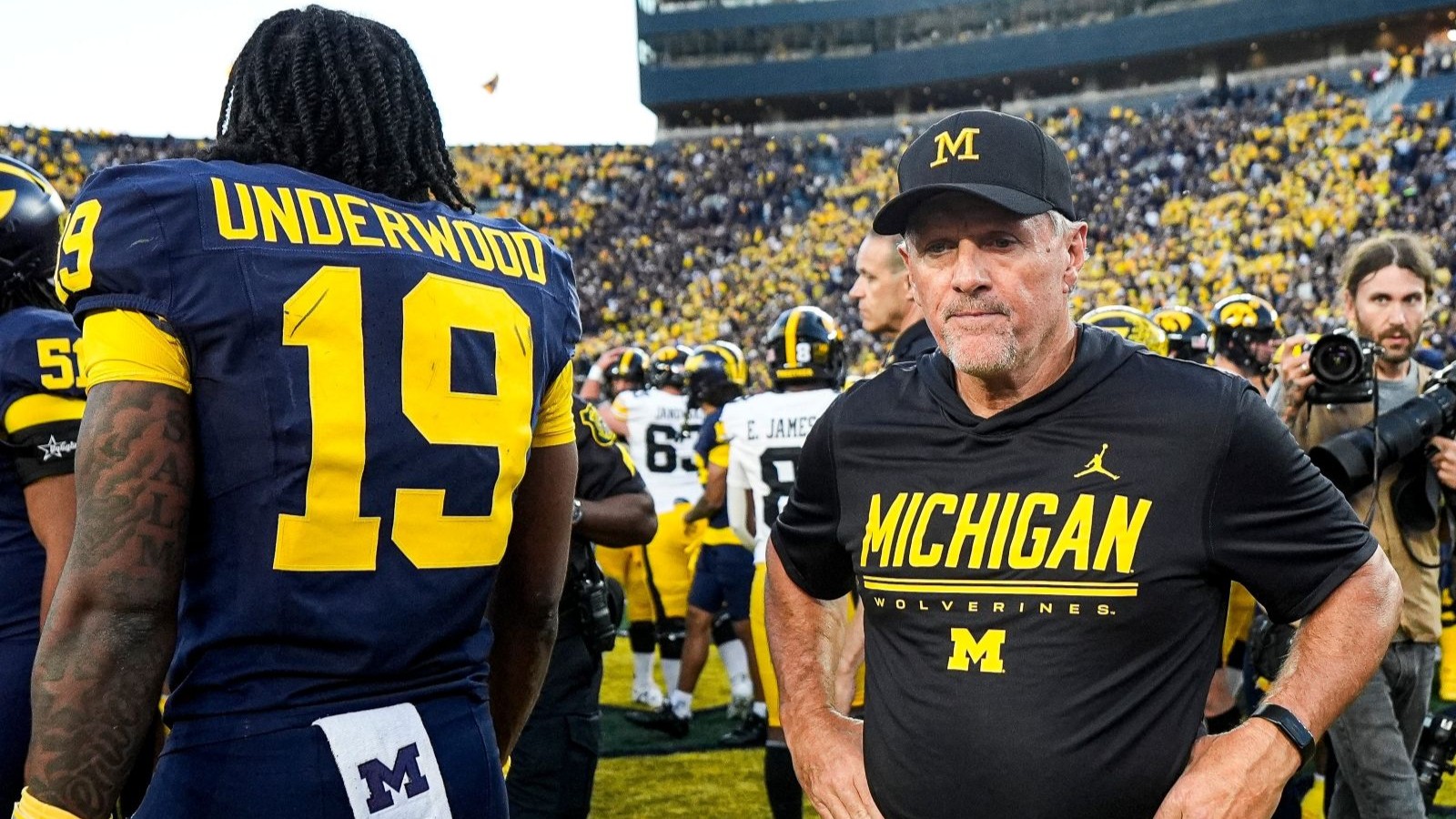
Source: BroBible
Summary
Cal quarterback Jaron-Keawe Sagapolutele, known as JKS, suffered a concussion during a game against UNLV. His teammate Ian Strong noticed he was disoriented and called for medical help. JKS was pulled from the game and did not return. Head coach Tosh Lupoi stated JKS was medically cleared but chose not to let him play. The decision sparked debate over concussion protocols.
Our Reading
The routine arrives with confidence.
Quarterbacks get concussions, then get cleared.
Teammates step in, just like they always do.
Coaches claim to care, then make decisions.
Health is a trend that comes and goes.
Original Observation: Concussions are a sport, and everyone’s playing.
Author: Evan Null
Jaron-Keawe Sagapolutele Needed Help
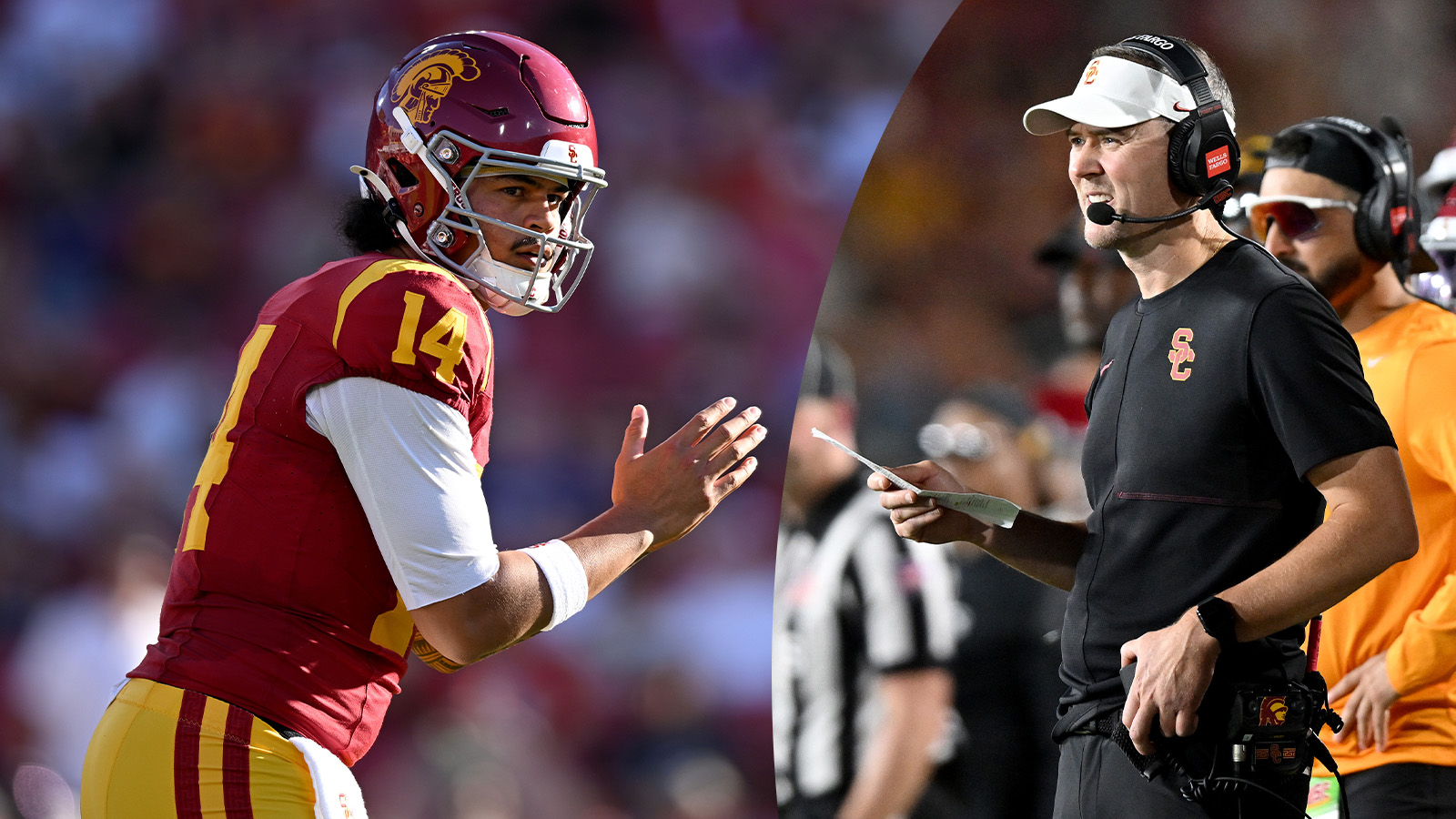
Cal quarterback Jaron-Keawe Sagapolutele, known as JKS, suffered a concussion during a game against UNLV. His teammate Ian Strong noticed he was disoriented and called for medical help. JKS was pulled from the game and did not return. The incident raised questions about how concussions are handled in college football.
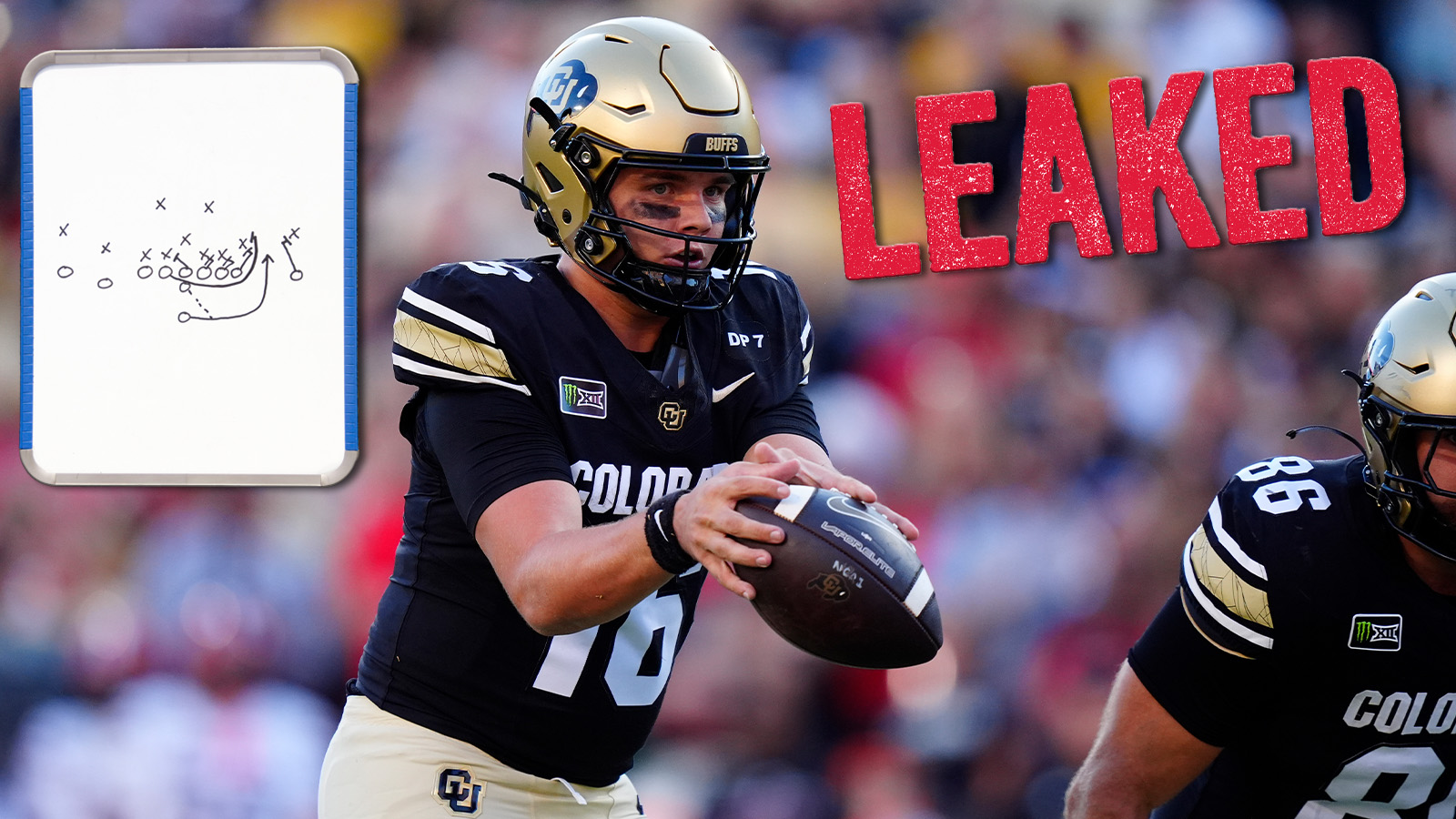
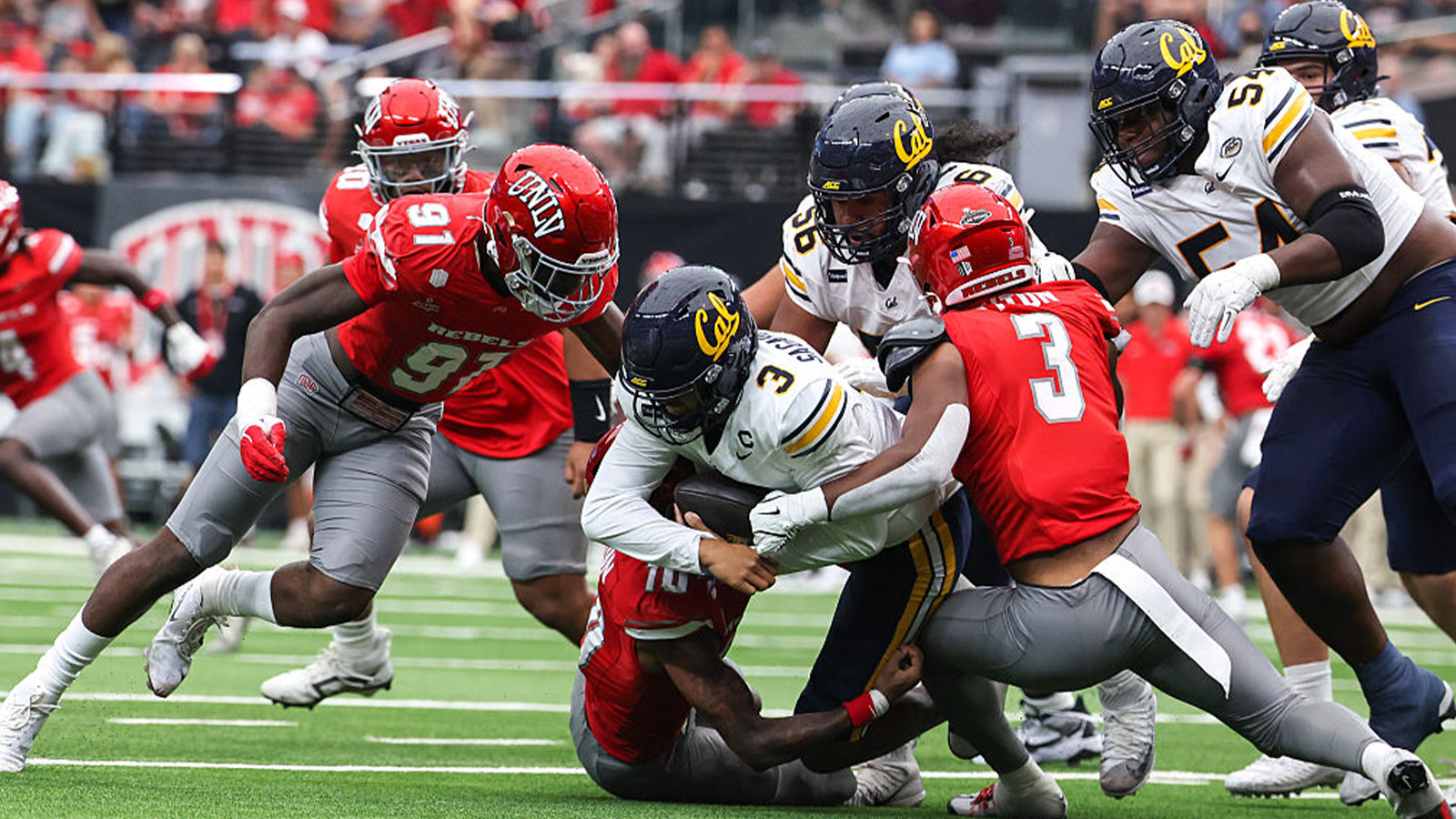
JKS tried to throw the ball away on a 1st-and-10 with less than one minute left in the second quarter. UNLV linebacker Elias Rudolph tackled him, causing him to land on his head. JKS was visibly dazed and stumbled back to the huddle. His teammate noticed and called for help.
Despite being cleared by medical staff, JKS was not allowed to return to the game. Head coach Tosh Lupoi said he made the decision to protect JKS’s health. The situation has sparked debate about the effectiveness of concussion protocols in college sports.
JKS finished the game with 19 completions for 195 passing yards and a touchdown. He did not play the second half. His backup, Jackson Brousseau, took over for the remainder of the game. JKS was frustrated but respected the decision.
The incident highlights the ongoing concerns about player safety in football. While JKS was cleared to return, the situation has raised questions about how quickly and thoroughly concussions are assessed. Fans and experts are watching closely to see if JKS will be cleared for the next game.
Cal Cleared Its Quarterback to Return From a Concussion
After the incident, Cal head coach Tosh Lupoi stated that JKS was medically cleared to return to the game. However, Lupoi decided not to let him play, citing concerns about his condition. The decision was made to prioritize JKS’s health over the game itself.
Despite the medical clearance, JKS was not allowed to return to the field. The coach said he was not comfortable with the way JKS came off the field and chose to protect his player. The decision was praised by some, while others questioned the consistency of the protocol.
JKS was visibly frustrated on the sideline, wanting to play but unable to. His backup, Jackson Brousseau, took over for the second half. The situation has led to discussions about the importance of player safety and the role of coaches in making decisions about injuries.
The incident has also brought attention to the role of teammates in looking out for each other. Ian Strong, a wide receiver, noticed JKS’s disorientation and acted quickly to get him help. His actions were praised as an example of good sportsmanship.
As the season continues, the focus will remain on how concussions are handled and whether protocols are being followed correctly. JKS’s situation is just one example of the ongoing challenges in ensuring player safety in college football.
Medical Staff Said JKS Was Cleared
Medical staff at the University of California, Berkeley, stated that Jaron-Keawe Sagapolutele was medically cleared to return to the game after his concussion. However, head coach Tosh Lupoi made the final decision not to let him play, citing concerns about his condition.
The medical team’s clearance did not override the coach’s judgment. Lupoi said he was not comfortable with the way JKS came off the field and chose to prioritize his health over the game. The decision was seen as a responsible move, but it also raised questions about the role of medical staff versus coaching decisions.
JKS was visibly dazed after the hit and struggled to walk a straight line. Despite this, he was cleared to return. The situation highlights the challenges in assessing and managing concussions in real-time during a game.
Some fans and experts questioned the medical clearance, given how JKS appeared to be in distress. Others supported the coach’s decision, emphasizing the importance of player safety over winning. The incident has sparked a broader conversation about how concussions are handled in college football.
As the season progresses, the focus will be on whether JKS is cleared to play in the next game. The situation serves as a reminder of the ongoing need for consistent and effective concussion protocols in sports.
Coach Tosh Lupoi Made the Decision
Head coach Tosh Lupoi made the final decision not to let Jaron-Keawe Sagapolutele return to the game after his concussion. He cited concerns about JKS’s condition and stated that his health was more important than the game. The decision was made to protect JKS and ensure his safety.
Lupoi said that JKS was medically cleared to return, but he was not comfortable with the way he came off the field. The coach emphasized that he would not put anyone in harm’s way, even if it meant benching his star quarterback. His decision was seen as a responsible move by many.
JKS was visibly frustrated on the sideline, wanting to play but unable to. His backup, Jackson Brousseau, took over for the remainder of the game. The situation has sparked discussions about the role of coaches in making decisions about player injuries.
The incident has also brought attention to the importance of player safety in football. While JKS was cleared to return, the situation has raised questions about how quickly and thoroughly concussions are assessed. Fans and experts are watching closely to see if JKS will be cleared for the next game.
As the season continues, the focus will remain on how concussions are handled and whether protocols are being followed correctly. JKS’s situation is just one example of the ongoing challenges in ensuring player safety in college football.
Health Is More Important Than a Win or a Loss
The incident involving Jaron-Keawe Sagapolutele has sparked a conversation about the importance of player safety in football. While winning is a key goal, the health of the players must come first. This is a lesson that has been repeated time and time again, yet it continues to be a challenge in the sport.
JKS was cleared to return after his concussion, but head coach Tosh Lupoi made the decision not to let him play. The coach emphasized that player health is more important than any game. This sentiment is often echoed, but it is rarely followed consistently.
Despite the medical clearance, JKS was not allowed to return to the field. The decision was made to protect him, but it also raised questions about the effectiveness of the concussion protocols. The situation highlights the ongoing struggle between player safety and the desire to win.
Some fans and experts supported the decision, while others questioned the consistency of the medical clearance. The incident has brought attention to the need for better protocols and more transparency in how concussions are assessed and managed.
As the season continues, the focus will remain on how concussions are handled and whether protocols are being followed correctly. JKS’s situation is just one example of the ongoing challenges in ensuring player safety in college football.