Source: Fortune
Summary
Oil exports from the Persian Gulf have recovered to prewar levels, with JPMorgan and Goldman Sachs reporting 17.5 million and 19 million barrels per day, respectively. Kpler noted Gulf crude exports reached 16.5 million barrels per day. The shift in logistics has reduced reliance on the Strait of Hormuz, with 40% of crude now transported via pipelines. Despite U.S. military presence, Iran remains a threat, with attacks on ships and infrastructure continuing. Analysts warn of potential escalation if diplomatic efforts fail.
Our Reading
The numbers tell one story.
Oil exports are back to prewar levels, but through different routes.
Iran’s leverage is fading, but not gone.
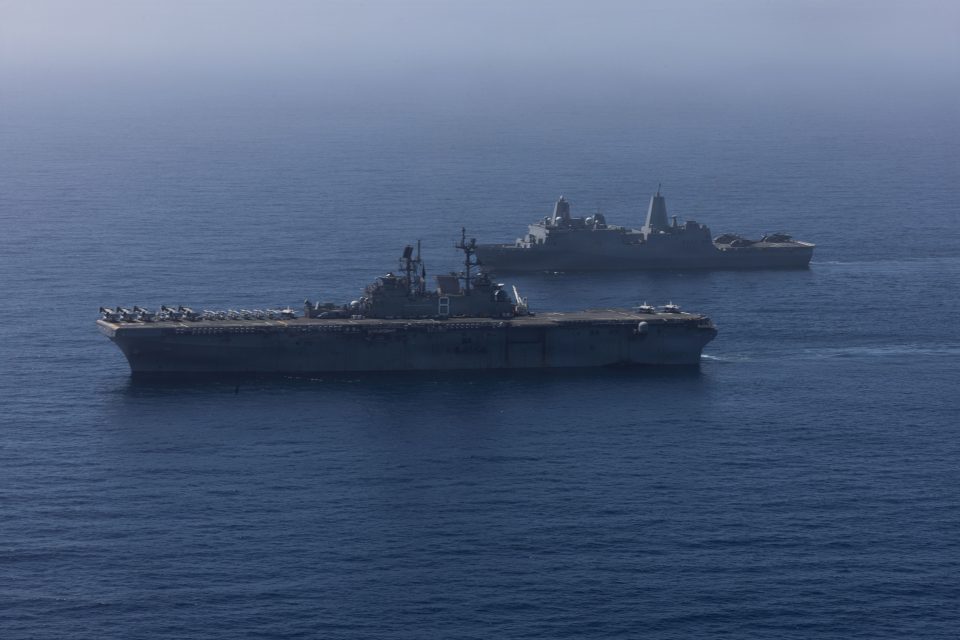
U.S. military presence is strong, but not foolproof.
Regional tensions remain high, with no clear path to peace.
Author: Evan Null
Oil Exports Recover, But Not Without Risk
Oil exports from the Persian Gulf have rebounded to prewar levels, with JPMorgan estimating 17.5 million barrels per day and Goldman Sachs projecting 19 million. Kpler reported 16.5 million barrels per day in September. This recovery has altered regional logistics, with 40% of crude now transported via pipelines rather than the Strait of Hormuz. The shift has reduced reliance on the strategic waterway, but not eliminated it.
U.S. Military Presence and Iranian Resistance
The U.S. military continues to protect oil flows, but Iran has not stood idle. Attacks on commercial ships have increased, raising shipping and insurance costs. While the U.S. has degraded Iran’s ability to target ships, drones and missiles still pose a threat. Analysts warn that Iran could escalate tensions if diplomatic efforts fail.
Trump’s Hardline and Regional Concerns
President Trump has taken credit for controlling the Strait of Hormuz and predicted Iran’s economic collapse. However, analysts like Esfandyar Batmanghelidj argue that Iran still holds significant influence over the region’s energy trade. He warned that Iran could destroy oil infrastructure if diplomatic options are not pursued. Trump, meanwhile, has rejected Iran’s offer for a ceasefire and is preparing for renewed military action after the midterm elections.
Iran’s Economic Struggles and Currency Crisis
Iran’s economy is under severe strain, with the rial hitting record lows. Iranian President Masoud Pezeshkian complained that the regime’s money in China is blocked, preventing access to funds. The U.S. has tightened sanctions, making it harder for Iran to move money through front companies. This economic pressure is intensifying as oil revenue declines.
Regional Diplomacy and Escalation Risks
Regional countries are still trying to mediate a return to a durable ceasefire and diplomatic agreement. However, Trump’s erratic behavior and hardline stance increase the risk of escalation. Analysts warn that Iran may resort to a scorched earth campaign if the current situation persists. The U.S. and its Gulf allies would likely retaliate, but the region remains in a fragile state.