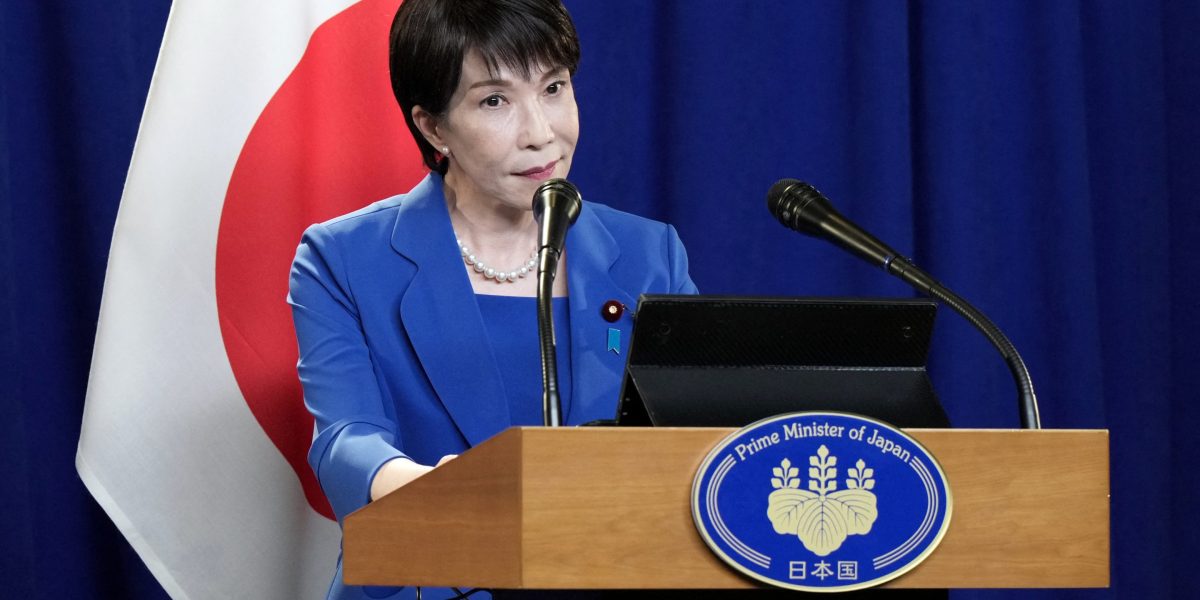
Source: Fortune.com
Summary
Japan’s population shrank by 2.5% between 2020 and 2025, with Japanese nationals declining 3.5% to 119.1 million. Foreign residents rose 40% to 3.84 million. The government introduced stricter residency rules, including higher fees and income requirements. Prime Minister Sanae Takaichi cited public anxiety over foreign residents as a reason for the changes. Japan faces aging demographics and a declining birth rate, prompting policies to encourage childbearing.
Our Reading
The numbers tell one story.
Population drops faster than before.
Foreigners increase but face new hurdles.
Residency fees jump 2,000%.
The government claims it’s about order, not fear.
Author: Evan Null
Japan’s Population Decline
Japan’s population has been shrinking at an accelerating rate, with the latest census showing a 2.5% drop over five years. This decline is even steeper for Japanese nationals, who fell by 3.5% to 119.1 million. The country’s aging population has grown to 29.4% of the total, with the number of people over 65 rising steadily. These trends have led to concerns about economic sustainability and labor shortages.
Foreign Residents Rise, But Policies Tighten
Despite making up only 3.4% of the population, foreign residents in Japan have reached a record high of 3.84 million, up 40% in five years. However, the government has introduced stricter rules for permanent residency, including higher fees, income requirements, and language tests. These changes have drawn criticism as part of a broader nationalist shift under Prime Minister Sanae Takaichi.
Government Response to Demographic Challenges
Japan’s government has launched initiatives to encourage higher birth rates, such as a dating app and a four-day workweek for city workers. These measures aim to address the country’s long-term demographic crisis. However, the same government has also taken a harder line on immigration, raising residency fees and tightening eligibility criteria, signaling a shift toward more restrictive policies.
Political Shift and Nationalist Policies
Prime Minister Sanae Takaichi has led Japan toward a more nationalist and right-wing stance, affecting both foreign policy and domestic measures. This includes a tougher approach to immigration and tourism, with visa fees rising sharply. Takaichi has defended the changes as necessary to address public concerns about the growing foreign population and to ensure a more “orderly” society.
Public Anxiety and Policy Adjustments
The government claims it is responding to public anxiety over the increasing number of foreign residents. In a statement, Takaichi said the changes would make “foreign policy” more “orderly” to ensure safety for both citizens and foreigners. However, critics argue that the policies are more about controlling immigration than addressing legitimate concerns, and that they risk fueling xenophobia in a country already struggling with demographic decline.