Source: Fox News
Summary
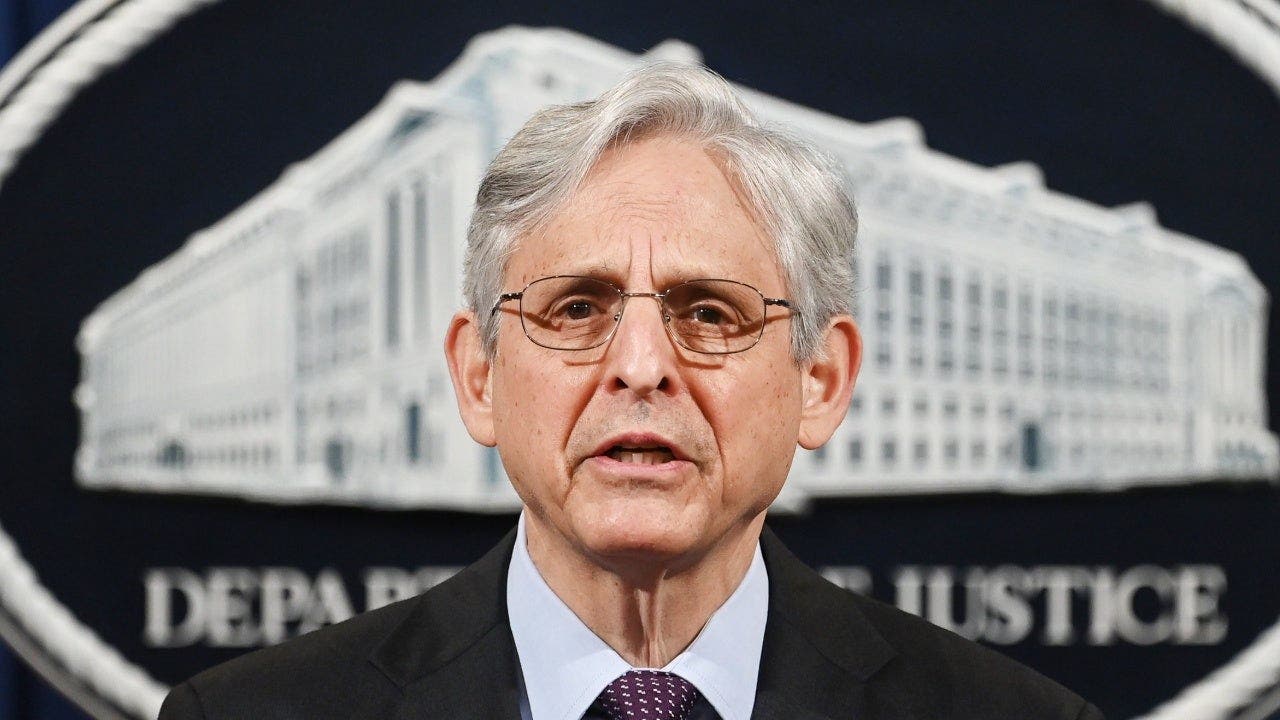
The Biden administration faced internal resistance within the Justice Department and FBI over a 2021 memo by Attorney General Merrick Garland directing law enforcement to address threats against school board members. The memo, which sparked concerns about free speech and federal overreach, was criticized by officials who questioned its legal basis and political motivations. The National School Boards Association had previously urged federal action, citing potential domestic terrorism. A DOJ report released Monday detailed internal dissent and concerns about the memo’s implementation, including criticism that it could be seen as targeting specific groups.
Our Reading
As expected, the matter has reached another stage.
Garland issued a memo at the urging of the NSBA and White House.
Officials inside the DOJ and FBI pushed back against the memo.
They questioned the federal basis for intervention and the use of terms like “domestic terrorist.”
The process has entered a familiar phase, where criticism and internal conflict follow.
Author: Evan Null
Source and Context
The article was published by Fox News, a major American news outlet known for its conservative-leaning coverage. The report details internal resistance within the Justice Department and FBI to a 2021 memo by Attorney General Merrick Garland. The memo aimed to address threats against school board members, but it faced significant pushback from within the DOJ and FBI. The National School Boards Association had previously sought federal assistance, leading to the memo’s issuance.
Internal Resistance and Concerns
Many officials within the Justice Department and FBI raised concerns about the memo’s legal basis and potential for politicization. They questioned whether there was a sufficient federal justification for intervention, as the issue primarily fell under state and local jurisdiction. Some officials criticized the memo as politically motivated and warned against the use of terms like “domestic terrorist,” which could be applied broadly to parents opposing school board decisions.
Public and Political Reactions
The memo and its implementation sparked significant debate, with some supporters arguing that school board members faced real threats. However, critics contended that the memo could be used to suppress free speech and target specific groups. The National School Boards Association later apologized for the language used in its request for federal assistance, acknowledging the potential for misinterpretation.
Legal and Policy Implications
The memo’s focus on threats against school board members led to discussions about the role of federal agencies in addressing local disputes. Some officials questioned the necessity of a task force for what they saw as a local issue. The FBI and DOJ faced internal disagreements over the memo’s implementation, with some officials expressing concerns about the lack of coordination and the potential for political bias.
Broader Implications for Government and Free Speech
The controversy highlighted tensions between federal and local authority, as well as concerns about the protection of free speech. The memo’s focus on threats against public officials raised questions about the balance between safety and civil liberties. The internal resistance within the DOJ and FBI reflected broader debates about the appropriate role of federal agencies in addressing local issues and the potential for political influence in law enforcement decisions.