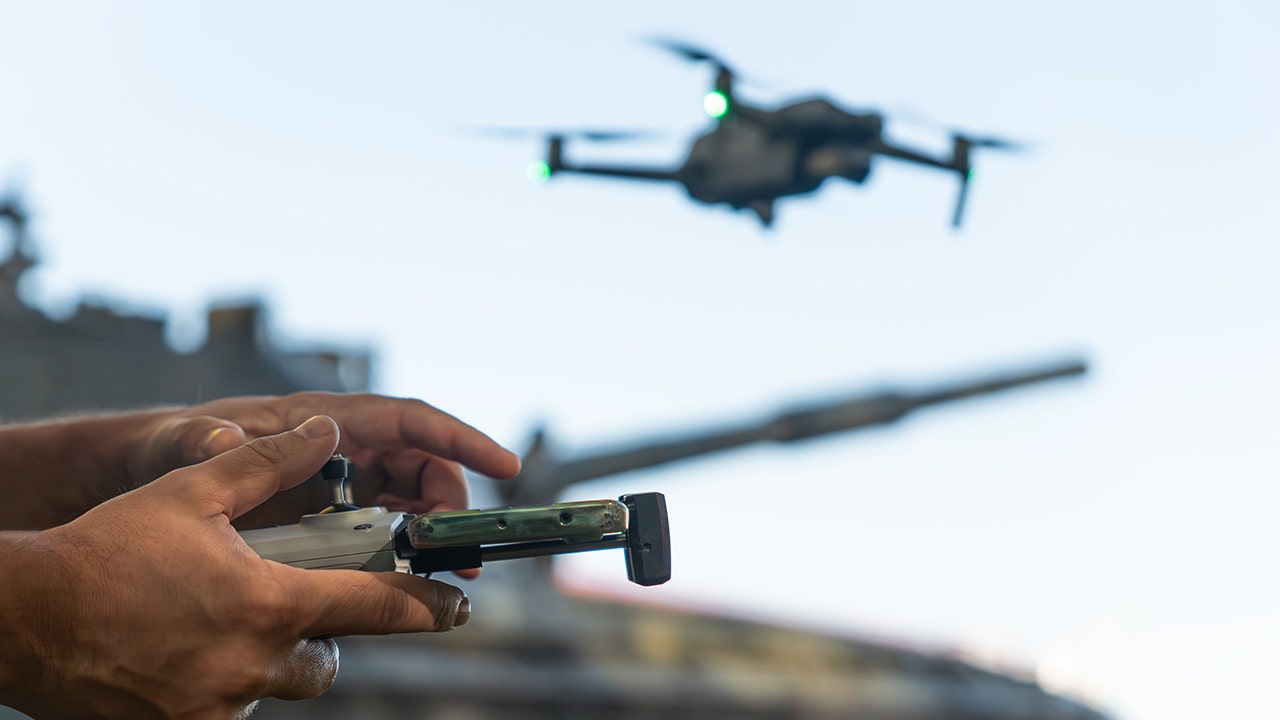
Source: Fox News
Summary
The U.S. Army is shifting its modernization strategy, moving away from rapid adoption of emerging technologies like artificial intelligence and drones. Gen. Christopher LaNeve, acting chief of staff, said the service had been over-reliant on transformation, leading to excessive experimentation. The Army is now developing a new framework, “How the Army Fights,” to prioritize technology and focus on key areas. Command and control is identified as the top priority. The shift comes amid leadership changes, including the appointment of Acting Army Secretary Adam Telle, who emphasizes coherence in modernization efforts.
Our Reading
As expected, the matter has reached another stage.
Gen. LaNeve says the Army was moving too fast.
He talks about AI and drones like they’re distractions.
Acting Secretary Telle compares tech to Christmas tree ornaments.
Everything is getting reorganized, but the tree is still standing.
Author: Evan Null
Leadership Changes and Strategic Shifts
The U.S. Army is undergoing a strategic shift as it moves away from rapid technological adoption. Gen. Christopher LaNeve, acting chief of staff, has expressed concerns about the pace of transformation. The Army is now developing a new framework called “How the Army Fights” to guide its modernization efforts. This framework aims to focus on key technologies and prioritize command and control as the top priority.
Leadership Shake-Up
The shift comes amid a leadership shake-up at the Army. Acting Army Secretary Adam Telle took over after his predecessor, Dan Driscoll, resigned. Telle, a former Trump White House aide, was tapped to lead the Army in an acting capacity. He has emphasized the need for greater coherence in modernization efforts as technology rapidly changes the battlefield.
Focus on Command and Control
Command and control has been identified as the Army’s top modernization priority. This reflects a strategic shift toward more focused and deliberate technological integration. The Army is moving away from the idea that advances in drones and AI have diminished the importance of traditional ground forces. Instead, it emphasizes the need for human judgment and leadership in controlling the land and consolidating gains.
Learning from Recent Conflicts
The Army is drawing heavily from recent conflicts, including Ukraine, Gaza, and the India-Pakistan conflict, while building the new framework around its most demanding potential adversary: China. The blueprint identifies China’s People’s Liberation Army as the “pacing threat” and says the Army must organize, train, and equip against it with the same institutional focus as Cold War-era leaders brought to the Soviet Union.
Future Battlefield Challenges
The blueprint also assumes a future major war could reach much closer to home. It warns the U.S. homeland can no longer be treated as a sanctuary, with adversaries potentially using cyberattacks, sabotage, and drones to disrupt the ports, airfields, and other infrastructure needed to deploy American forces. The Army is working to address these challenges while maintaining a balance between technology and traditional military capabilities.