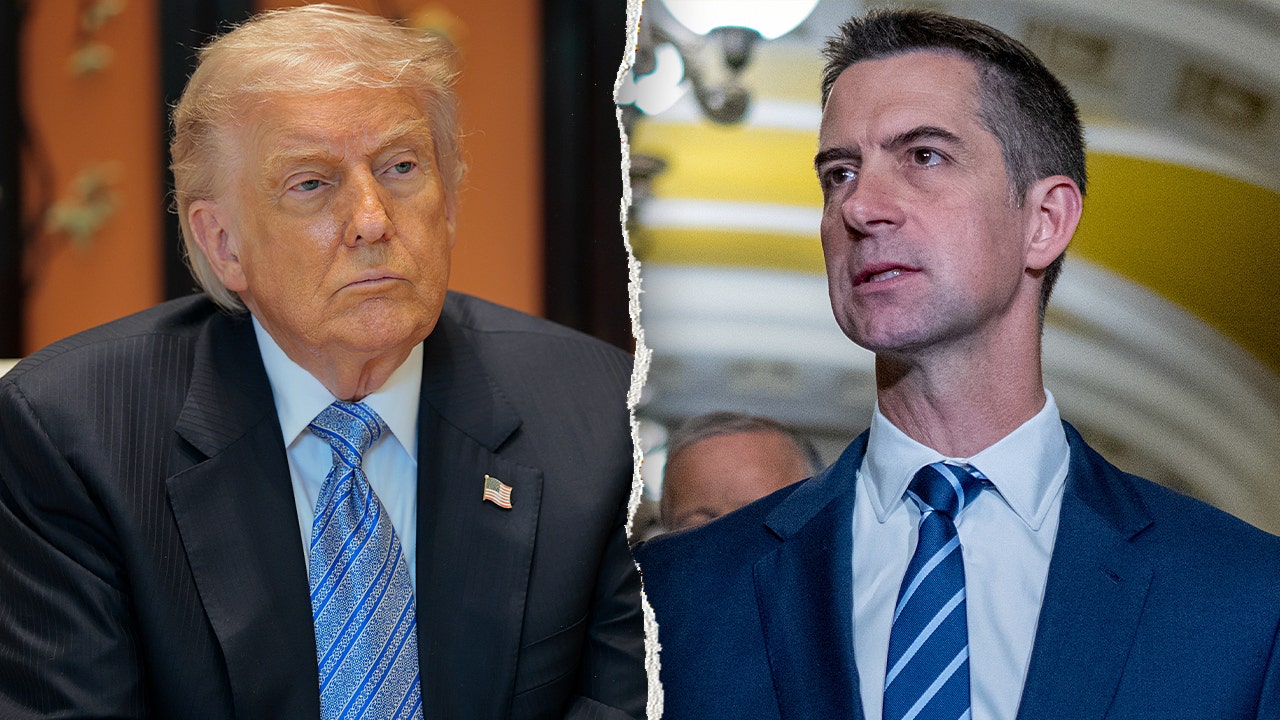
Source: Fox News
Summary
The debate over ending the biannual clock change resurfaced as President Donald Trump criticized Senator Tom Cotton for opposing a bill to make Daylight Saving Time permanent. The bill passed the House but stalled in the Senate. Cotton argued that permanent Daylight Saving Time leads to late sunrises, affecting children’s school commutes. Some lawmakers support the change, while others, particularly from Western states, warn of negative impacts. The issue remains unresolved as Senate priorities shift with the approaching midterm elections.
Our Reading
As expected, the matter has reached another stage.
Trump shared a phone number to pressure a senator.
Cotton repeated an old argument about dark mornings.
Lawmakers from different states still disagree.
Changing clocks feels like a ritual that never ends.
Author: Evan Null
Daylight Saving Time and Political Routines
The issue of Daylight Saving Time has become a recurring topic in American politics, often surfacing during periods of legislative activity. Despite public support, the debate remains stalled due to conflicting regional interests. The battle over clock changes reflects a broader pattern of political gridlock, where popular ideas struggle to gain traction in a divided Congress.
Trump’s Role in the Clock Debate
President Trump has taken a personal interest in the Daylight Saving Time issue, using his platform to pressure lawmakers. His public criticism of Senator Tom Cotton highlights the ways in which political leaders use personal appeals to influence policy. The exchange between Trump and Cotton underscores the tension between executive pressure and legislative independence.
Senator Cotton’s Opposition
Senator Tom Cotton has consistently opposed the permanent shift to Daylight Saving Time, citing concerns about dark mornings and their impact on children. His stance reflects a broader regional divide, with Western states wary of the potential consequences. Cotton’s resistance has drawn sharp criticism from the president, illustrating the personal nature of political conflicts.
Regional Divides in the Senate
The debate over Daylight Saving Time is not just political but also geographical. Coastal states tend to favor the change, while mountainous and landlocked states express concerns about the impact on daily life. This regional divide complicates efforts to pass a unified policy, as lawmakers prioritize the needs of their constituents over national consensus.
Legislative Priorities and Deadlines
With the midterm elections approaching, the Senate faces a tight schedule and competing priorities. Issues like the National Defense Authorization Act and government funding take precedence over the Daylight Saving Time debate. This highlights the challenges of passing major reforms in a politically divided environment, where time and resources are limited.