Summary
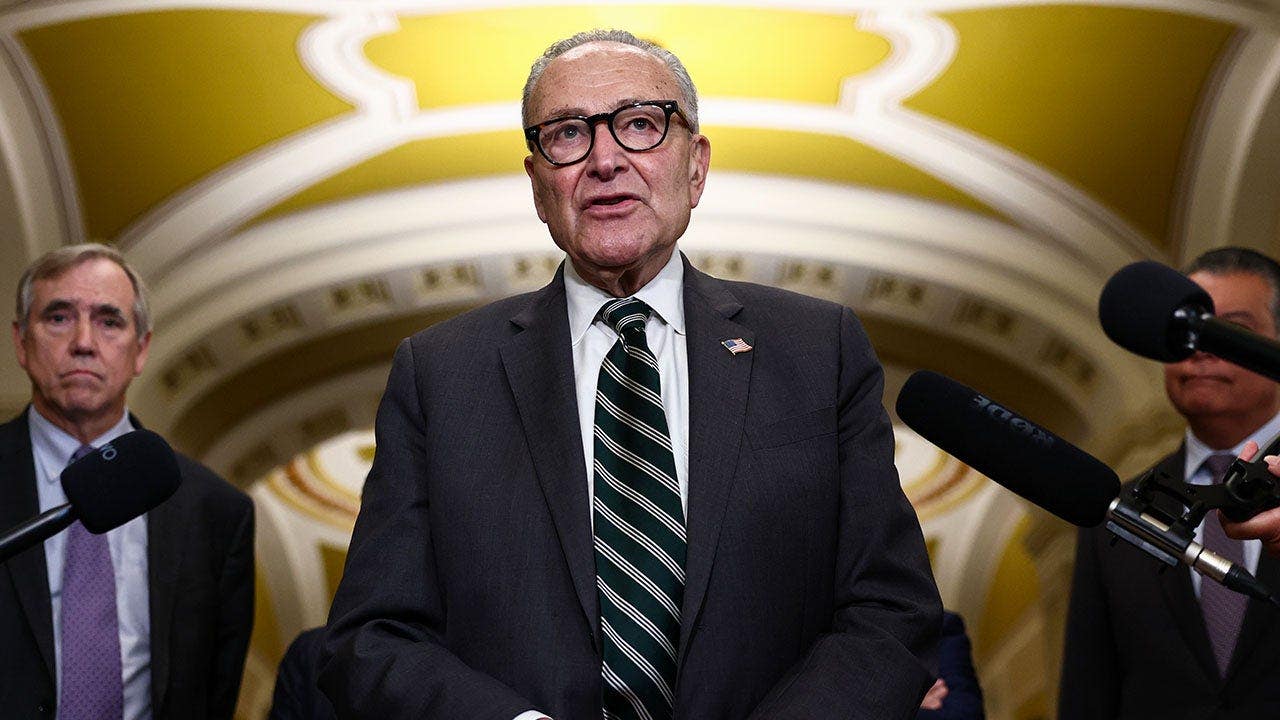
Democratic Senate Leader Chuck Schumer expressed confidence in his party’s chances of winning the midterms, citing favorable polling and a frustrated electorate. However, three factors could affect the outcome: potential undercounting of Republican voters, voter skepticism of Democrats, and GOP financial advantages. Schumer claimed Democrats are “on the edge of taking back the Senate,” while Trump predicted a Republican surprise. Recent polls show Democrats with an advantage in key races, but some analysts warn of potential polling inaccuracies. Republicans are outspending Democrats in critical states, though Democrats claim to have greater voter enthusiasm and grassroots organizing.
Our Reading
As expected, the matter has reached another stage.
Schumer speaks with confidence, but the numbers are tight.
Trump insists the polls are wrong, as he always does.
Republicans spend more, but Democrats knock on doors.
Every election is a test of who can make the most noise.
Author: Evan Null
Three Variables That Could Shape the Midterms
The first variable is the potential undercount of Republican voters. Polls may not fully capture the enthusiasm of GOP supporters, especially in key battleground states. This could shift the balance in races that are currently seen as leaning Democratic.
The second variable is voter skepticism of the Democratic brand. Despite frustration with the current administration, many Americans remain wary of Democratic policies and leadership. This could limit the party’s ability to gain support, even in a challenging political climate.
The third variable is the financial advantage of the GOP. Republican candidates are receiving significant funding from major donors and groups, allowing them to outspend Democrats in key races. This financial edge could give Republicans an edge in advertising and voter outreach.
These variables create a complex picture of the midterms, where confidence and caution coexist. Democrats are optimistic, but the path to a majority remains uncertain.
The race for the Senate is a tight contest, with Democrats needing to gain four seats to take control. The current polls suggest a favorable environment, but the final outcome will depend on a number of factors, including voter turnout and campaign strategies.
Trump’s Influence and Polling Concerns
Donald Trump continues to play a central role in the midterms, with his influence shaping both Democratic and Republican strategies. His presence on the ballot is a key factor in many races, as both parties try to leverage or counter his appeal.
There are growing concerns about the accuracy of polls, especially after past elections where predictions were off. Analysts like Nate Silver have pointed out that polls may not always reflect the true sentiment of voters, particularly in close races.
Recent polling errors in Democratic primaries have raised questions about the reliability of current surveys. These inaccuracies could have a significant impact on the outcome of key Senate races, especially in states where the margin is very narrow.
Despite these concerns, Democrats remain confident in their position, citing strong enthusiasm and a favorable political climate. However, the final weeks of the campaign will be crucial in determining whether this optimism translates into actual victories.
The challenge for Democrats is to maintain their momentum while addressing concerns about their brand and messaging. With the GOP also making strong efforts to counter their influence, the race remains highly competitive.
Republican Financial Advantage and Campaign Strategies
Republicans are leveraging their financial resources to gain an edge in the midterms. With significant funding from groups like MAGA Inc., they are outspending Democrats in key races, allowing them to run more ads and reach more voters.
This financial advantage is particularly evident in states like Ohio, Maine, and Texas, where Republicans are spending millions more than their Democratic opponents. The increased ad spending is a key part of their strategy to sway voters and counter Democratic messaging.
Despite this, Democrats are focusing on grassroots efforts, such as door-to-door outreach and voter mobilization. They argue that their enthusiasm and organizing efforts give them a strong foundation, even if they are not as competitive in the advertising war.
The contrast between the two parties’ strategies highlights the different approaches they are taking to win the midterms. While Republicans rely on financial power, Democrats are counting on voter engagement and local support.
This financial disparity could have a lasting impact on the outcome of the elections, especially in states where the race is closely contested.
Democratic Brand and Voter Trust
The Democratic Party’s brand is a major challenge in the midterms. Recent polls show that the party has a negative favorability rating, with many voters expressing distrust in its leadership and policies. This lack of trust could hinder their ability to gain support, even in a politically unfavorable climate for the GOP.
Former officials like Pete Buttigieg have acknowledged the difficulty of winning over voters who are frustrated with both parties. He emphasized the importance of clear messaging and strong candidate performance to rebuild trust with the electorate.
The party’s internal divisions, particularly in primaries, have also contributed to a perception of instability. Left-wing candidates have defeated more moderate contenders, giving the GOP more ammunition to attack Democrats as radicals.
This internal conflict has created a challenge for Democrats, who must balance ideological priorities with the need to appeal to a broader electorate. The success of their candidates will depend on their ability to connect with voters and present a clear, unified message.
With the GOP using these divisions to their advantage, the Democrats face a difficult path to victory. Their ability to overcome these challenges will be a key factor in the outcome of the midterms.
Grassroots Efforts and Voter Enthusiasm
Despite the financial advantage of the GOP, Democrats are relying on grassroots efforts to mobilize voters. Party officials like Ray Buckley have emphasized the importance of local organizing and voter enthusiasm, which they believe can compensate for their lack of ad spending.
Recent primary elections have shown that Democrats have strong support in many areas, with high turnout and strong candidate performance. This energy could translate into a significant boost in the general election, especially if it is sustained through the final weeks of the campaign.
However, maintaining this enthusiasm will be a challenge, as the race becomes more competitive and the pressure to win increases. Democrats must continue to engage voters and ensure that their message resonates with the broader electorate.
The success of their grassroots efforts will depend on their ability to maintain momentum and respond to the shifting political landscape. With the GOP also making strong efforts to counter their influence, the race remains highly competitive.
Ultimately, the outcome of the midterms will depend on a combination of factors, including voter turnout, campaign strategies, and the effectiveness of both parties’ messaging. The final weeks of the campaign will be crucial in determining the final result.