Source: Fortune
Summary
Zambia will sign a revised $3.6 billion health agreement with the U.S. that excludes clauses requiring the sharing of patient health data and specimens. Zambian Health Minister Roma Chilengi confirmed the changes, stating no data or specimens would be shared. The deal includes $1.5 billion from the U.S. over five years. The agreement is part of broader U.S. health initiatives in Africa, which have faced pushback over data-sharing requirements. Some African nations, including Zimbabwe and Namibia, have rejected similar terms.
Our Reading
The numbers tell one story.
Zambia removes data-sharing clauses from a $3.6 billion health deal.
U.S. funding includes $1.5 billion over five years.
Other African nations have pushed back on similar terms.
The U.S. aims to shift health funding toward local responsibility.
Author: Evan Null
Zambia’s Revised Health Agreement with the U.S.
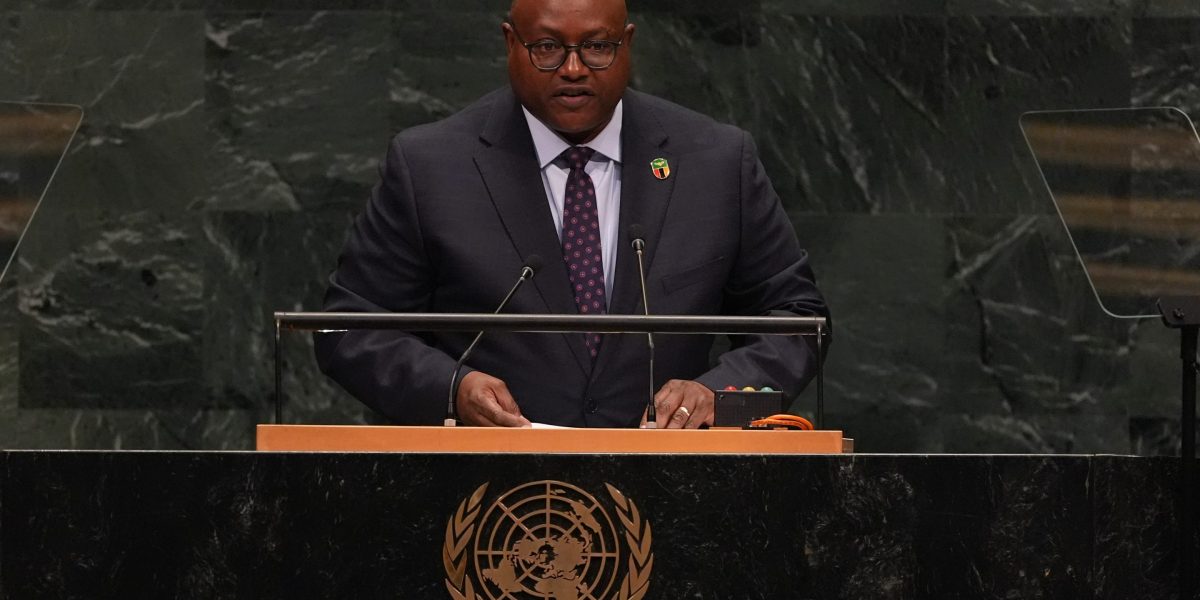
Zambia has agreed to a revised health deal with the United States that excludes controversial clauses requiring the sharing of patient health data and specimens. The agreement, worth $3.6 billion over five years, is part of a broader U.S. initiative to support health services in African nations. Zambian Health Minister Roma Chilengi confirmed that the revised deal no longer includes data-sharing requirements, a move that has been welcomed by some African countries.
U.S. Health Agreements in Africa
The U.S. has signed new bilateral health agreements with around two dozen African nations since last year. These agreements aim to gradually increase local health spending while the U.S. phases out its assistance. However, some clauses, particularly those involving the sharing of health data and specimens, have been controversial. The Trump administration’s “America First” approach has led to a shift in how the U.S. provides foreign aid, with a focus on bilateral agreements over multilateral efforts.
Controversial Data-Sharing Clauses
Some of the most contentious parts of the U.S. health agreements involve the sharing of health data and specimens. The U.S. can request these materials and then share them with up to 10 American non-government entities for medical research. However, the African nations that provide the data may not benefit from any treatments developed, as they would only receive them “subject to the availability of funds” and “behind the U.S. government’s domestic need.”
Rejection of U.S. Terms by Some African Nations
Zimbabwe, Namibia, and Ghana have all rejected parts of the U.S. health agreements due to concerns over data-sharing requirements. Zimbabwe’s government stated that it would provide raw materials for scientific discovery without any guarantee of access to medical treatments. As a result, the U.S. has ended health assistance to Zimbabwe and phased out funding for Namibia’s HIV program. Ghana also rejected similar terms, with its president calling the proposal “thrown out in record time.”
U.S. Strategy and African Reactions
The U.S. strategy involves gradually reducing foreign aid while encouraging African nations to increase their own health spending. However, the data-sharing clauses have sparked resistance. Zambia’s revised agreement reflects a compromise, allowing the U.S. to provide funding without requiring the sharing of sensitive health data. This shift may signal a broader trend as African nations seek more favorable terms in their health agreements with the U.S.