Source: Fortune
Summary
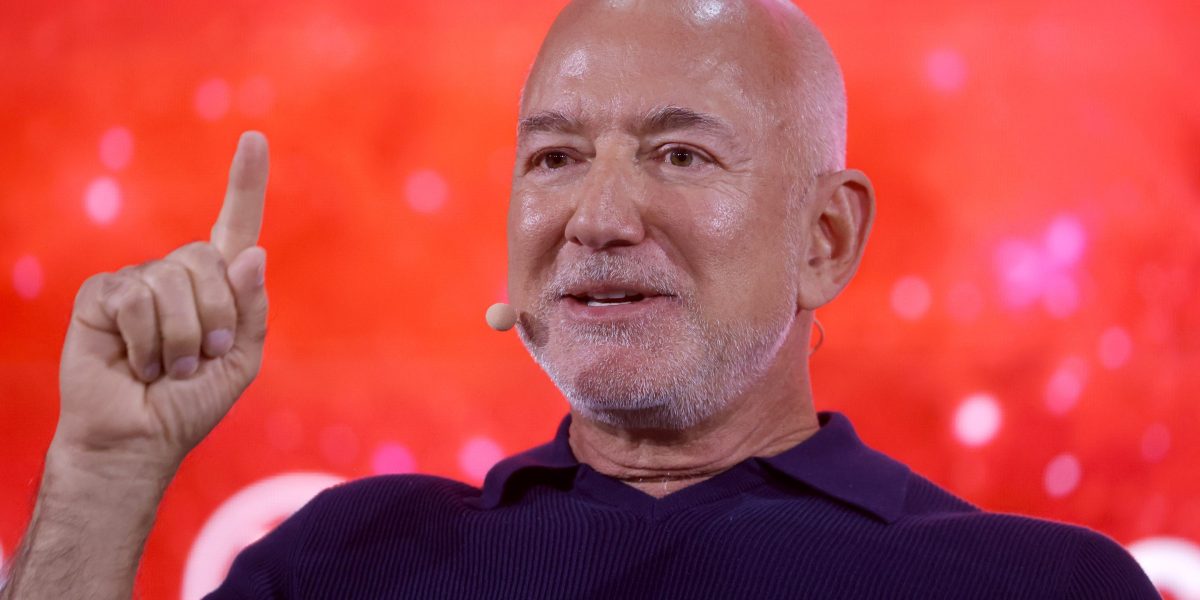
Jeff Bezos, founder of Amazon, predicted that AI could lead to a three-day workweek and single-income households. He told Fox News that increased productivity from AI could allow people to support their families with fewer working days. Bezos also noted that AI could cause labor shortages as fewer people may need to work. While he acknowledged the uncertainty for investors, he expressed optimism about AI’s long-term benefits. Amazon is investing heavily in AI, despite recent layoffs.
Our Reading
The numbers tell one story.
Bezos envisions a three-day workweek driven by AI.
He claims productivity will reduce the need for two-income households.
Amazon invests billions in AI while cutting thousands of jobs.
AI’s promise and disruption are both clear.
Author: Evan Null
Bezos says AI poses a challenge for investors—but his own companies stand to gain
While Bezos is bullish on AI’s long-term potential, he also acknowledged that investors face a more uncertain path as the technology reshapes the economy.
When asked whether the AI boom is a bubble, Bezos said that it was “hard to know.” The technology itself is real, he argued, even if the rush to capitalize on it means money is flowing to businesses that may not ultimately succeed.
“What I do know is the technology is real. I think this is a good thing for society,” Bezos continued, but added that: “It’s tricky for investors. Every experiment gets funded—the good ideas and the bad ideas. In the moment, in the tussle of this, it’s hard for investors to know the difference between the good ideas and the bad ideas.”
Amazon, the company Bezos founded in his garage back in 1995, is one of many major businesses betting heavily on AI. It plans to spend over $200 billion on capital expenditures this year, largely thanks to investments in data centers.
From Jamie Dimon to Elon Musk, leaders predict AI will shorten the workweek—but disagree on how much
Bezos isn’t alone in predicting that AI will boost productivity and give workers more flexibility. But business leaders are split on just how dramatically the technology could reshape the workweek—and whether it could eventually make working optional altogether.
Nvidia CEO Jensen Huang has said that AI will “probably” lead to a 4-day workweek, while JPMorgan Chase boss Jamie Dimon predicted employees could eventually work just 3.5 days a week. Bill Gates has gone even further, floating the possibility of a two-day workweek.
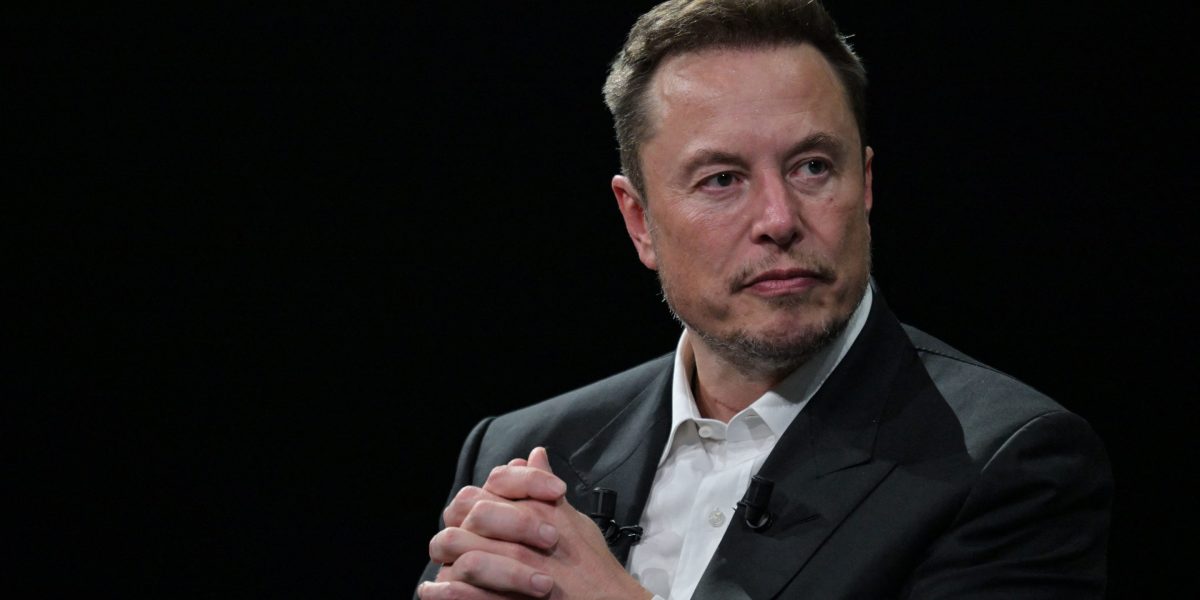
But perhaps no executive has made more sweeping predictions than Elon Musk. The SpaceX founder has predicted that AI and robotics could usher in an era of “universal high income,” making money less relevant and freeing people from the need to work.
Late last year, Musk said: “In less than 20 years—but maybe even as little as 10 or 15 years—the advancements in AI and robotics will bring us to the point where working is optional.”
Bezos says AI poses a challenge for investors—but his own companies stand to gain
While Bezos is bullish on AI’s long-term potential, he also acknowledged that investors face a more uncertain path as the technology reshapes the economy.
When asked whether the AI boom is a bubble, Bezos said that it was “hard to know.” The technology itself is real, he argued, even if the rush to capitalize on it means money is flowing to businesses that may not ultimately succeed.
“What I do know is the technology is real. I think this is a good thing for society,” Bezos continued, but added that: “It’s tricky for investors. Every experiment gets funded—the good ideas and the bad ideas. In the moment, in the tussle of this, it’s hard for investors to know the difference between the good ideas and the bad ideas.”
Amazon, the company Bezos founded in his garage back in 1995, is one of many major businesses betting heavily on AI. It plans to spend over $200 billion on capital expenditures this year, largely thanks to investments in data centers.
From Jamie Dimon to Elon Musk, leaders predict AI will shorten the workweek—but disagree on how much
Bezos isn’t alone in predicting that AI will boost productivity and give workers more flexibility. But business leaders are split on just how dramatically the technology could reshape the workweek—and whether it could eventually make working optional altogether.
Nvidia CEO Jensen Huang has said that AI will “probably” lead to a 4-day workweek, while JPMorgan Chase boss Jamie Dimon predicted employees could eventually work just 3.5 days a week. Bill Gates has gone even further, floating the possibility of a two-day workweek.
But perhaps no executive has made more sweeping predictions than Elon Musk. The SpaceX founder has predicted that AI and robotics could usher in an era of “universal high income,” making money less relevant and freeing people from the need to work.
Late last year, Musk said: “In less than 20 years—but maybe even as little as 10 or 15 years—the advancements in AI and robotics will bring us to the point where working is optional.”
Bezos says AI poses a challenge for investors—but his own companies stand to gain
While Bezos is bullish on AI’s long-term potential, he also acknowledged that investors face a more uncertain path as the technology reshapes the economy.
When asked whether the AI boom is a bubble, Bezos said that it was “hard to know.” The technology itself is real, he argued, even if the rush to capitalize on it means money is flowing to businesses that may not ultimately succeed.
“What I do know is the technology is real. I think this is a good thing for society,” Bezos continued, but added that: “It’s tricky for investors. Every experiment gets funded—the good ideas and the bad ideas. In the moment, in the tussle of this, it’s hard for investors to know the difference between the good ideas and the bad ideas.”
Amazon, the company Bezos founded in his garage back in 1995, is one of many major businesses betting heavily on AI. It plans to spend over $200 billion on capital expenditures this year, largely thanks to investments in data centers.