Source: Fortune
Summary
Zimbabwean teen mother Kelly Nhedega faced barriers to contraception due to stigma and lack of access. Aid cuts and global shipping disruptions have worsened access to reproductive health services in Africa. Mobile clinics, like a converted caravan in Harare, provide discreet access for adolescents. Funding losses from the U.S. and Sweden have forced organizations to scale back services. In Zambia, shipping delays and unclear consent rules further limit contraceptive availability. Despite challenges, demand for mobile clinics remains high, with girls traveling long distances to access services.
Our Reading
The numbers tell one story.
Zimbabwe’s mobile clinics face funding cuts after U.S. and Swedish aid ends.
Girls like Nhedega rely on discreet access to avoid stigma and judgment.
Shipping delays and policy gaps limit contraceptive availability in rural areas.
Access isn’t just about availability—it’s about privacy and control.
Author: Evan Null
Teen Mother’s Struggle
Kelly Nhedega, an 18-year-old in Zimbabwe, had planned to become a nurse but became pregnant at 16. She dropped out of school and now cares for an 18-month-old child. Contraception was hard to access due to stigma and fear of judgment at local clinics. She eventually obtained contraception discreetly to return to school.
Aid Cuts and Global Challenges
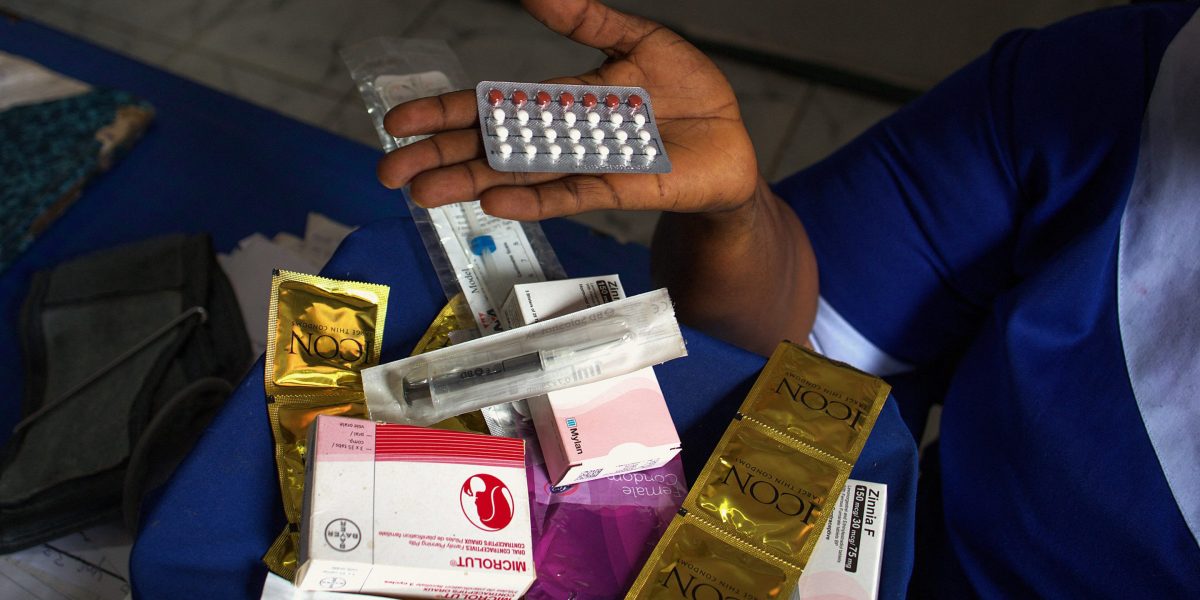
Aid cuts and global shipping disruptions are making it harder for girls in Africa to access contraception. The U.S. and Sweden, key donors, have reduced support, forcing organizations to scale back services. In Zimbabwe, a mobile clinic provides discreet access, but funding shortages threaten its future.
Stigma and Consent Barriers
In Zambia, uncertainty over parental consent rules creates additional obstacles for adolescents seeking contraception. Even when available, preferred methods may not be on hand at clinics. Shipping delays have further complicated the distribution of contraceptives, leaving girls without access.
Mobile Clinics Under Pressure
Mobile clinics, like those operated by Population Services Zimbabwe, are critical for reaching remote communities. However, funding cuts have forced them to slow down or stop services. In Binga, girls rushed to a returning mobile clinic, showing the high demand for these services.
Importance of Discreet Access
For girls like Nhedega, access to contraception isn’t just about availability—it’s about privacy and the ability to plan their futures. Mobile clinics offer a safe, discreet space where they can obtain services without fear of judgment or exposure.