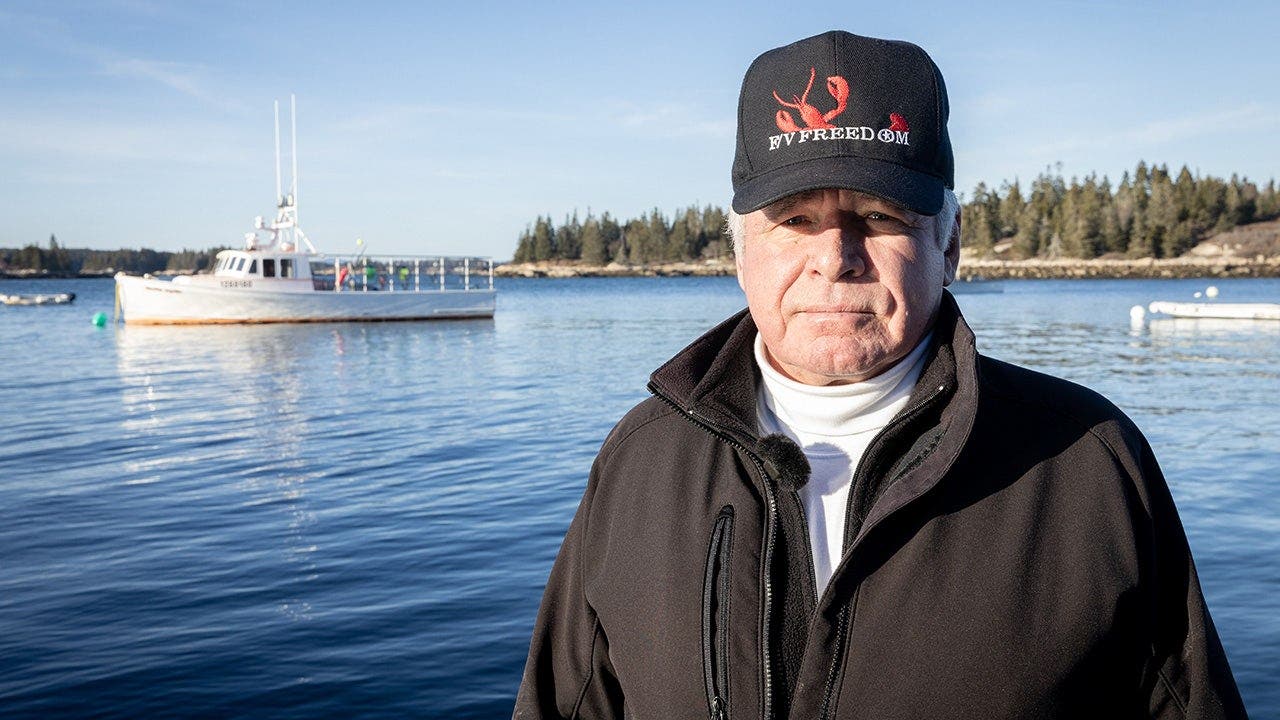
Source: Fox News
Summary
Frank Thompson, a Maine lobsterman, continues his legal battle against a GPS tracking mandate for federally licensed boats, arguing it violates Fourth Amendment rights. The Supreme Court declined to hear his appeal, upholding a First Circuit ruling that the requirement does not violate the amendment because lobstering is a regulated industry. Thompson, a fifth-generation fisherman, views the tracking device as a form of constant surveillance, likening it to an “ankle bracelet.” The Maine Department of Marine Resources says the mandate helps protect endangered whales and sustain the lobster industry. Thompson’s attorney argues the mandate infringes on privacy rights, while the American Farm Bureau Federation supported his appeal, warning of broader implications for regulated industries.
Our Reading
As expected, the matter has reached another stage.
Thompson’s boat now has a black box, like a government ankle bracelet.
He says the tracking is constant, even during family trips and personal time.
The Supreme Court said no, but he still believes it’s a fight for freedom.
He’s not just fighting for himself, but for all who fish, work, and live under rules they didn’t choose.
Author: Evan Null
Frank Thompson’s Legal Battle
Frank Thompson, a fifth-generation lobsterman from Vinalhaven, Maine, has been fighting a GPS tracking mandate for federally licensed boats. He argues the requirement violates his Fourth Amendment rights by subjecting him to constant surveillance. The Supreme Court declined to hear his appeal, upholding a First Circuit ruling that the mandate does not violate the amendment because lobstering is a closely regulated industry.
The Tracking Mandate
The mandate, implemented by the Maine Department of Marine Resources in 2023, requires a small electronic box to be installed aboard federally licensed lobster boats. The device collects a boat’s location once per minute while moving and every six hours while docked. Thompson says the tracking extends to personal trips, making him feel watched and monitored at all times.
Thompson’s Concerns
Thompson describes the device as a “creepy feeling” and believes it threatens a way of life passed down for generations. He argues that the government is treating lobstermen like criminals, even though they are simply trying to make a living. He also warns that if similar regulations are adopted across other industries, it could “ruin us.”
Support and Opposition
The American Farm Bureau Federation supported Thompson’s challenge, arguing that the lower court’s reasoning could weaken Fourth Amendment protections for farmers and ranchers. However, the Conservation Law Foundation praised the Supreme Court’s decision, stating it is a step toward managing the lobster fishery sustainably. Maine DMR maintains that the tracking requirement is critical for the long-term sustainability of the lobster industry.
The Future of the Fight
Despite the Supreme Court’s decision, Thompson and his attorney, Matthew Gilliam, plan to continue fighting against the tracking requirement. They believe lobstermen and others in regulated industries still have Fourth Amendment protections and will keep challenging government overreach. Thompson says he is fighting not just for himself, but for everyone who values freedom and independence in their work and lifestyle.