Source: Fox News
Summary
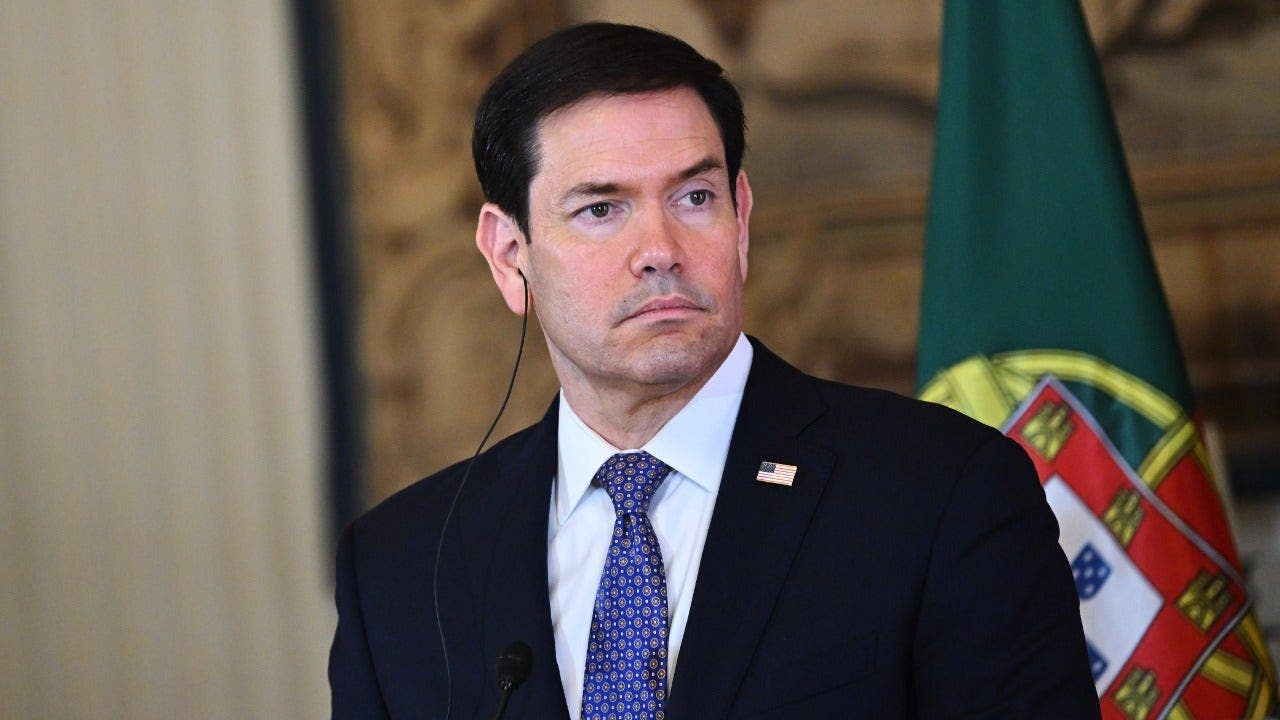
The Trump administration imposed financial sanctions on the International Criminal Court (ICC), targeting 17 individuals and the institution itself. Secretary of State Marco Rubio called the ICC a “fake” court and claimed the U.S. is not subject to its jurisdiction. The ICC condemned the move as an attack on the rule of law. The sanctions freeze ICC assets and block U.S. entities from doing business with the court. The move follows the Nobel Peace Prize being awarded to a former ICC judge and the court issuing arrest warrants for Israeli leaders.
Our Reading
As expected, the matter has reached another stage.
Rubio speaks in pre-recorded messages.
The ICC calls the move an assault on justice.
The court continues to operate despite sanctions.
Sanctions will take effect after 180 days, but the court has time to respond.
Author: Evan Null
Trump’s Continued Efforts to Undermine the ICC
The Trump administration has made it clear that it views the International Criminal Court (ICC) as a threat to U.S. sovereignty. The recent sanctions are part of a broader campaign to dismantle the institution, which the administration claims oversteps its authority. The move comes after years of criticism from the White House, which has accused the ICC of targeting American personnel and undermining U.S. interests.
Sanctions Targeting the ICC and Its Officials
The U.S. has sanctioned 17 individuals linked to the ICC, including judges and prosecutors. This is the first time the U.S. has taken action against the institution itself. The sanctions freeze ICC assets and prohibit U.S. entities from engaging in transactions with the court. The move is seen as a direct challenge to the ICC’s independence and authority.
ICC’s Response to the Sanctions
The ICC has strongly condemned the U.S. sanctions, calling them an attack on the rule of law. The court argues that it is an independent judicial body created by treaty and entrusted with investigating serious crimes. The ICC has also criticized the U.S. for attempting to obstruct justice and prevent the court from fulfilling its mandate.
Background on the ICC and U.S. Tensions
Tensions between the U.S. and the ICC have been ongoing for years. The administration has accused the court of overstepping its jurisdiction, particularly in cases involving U.S. military personnel. In 2017, an ICC prosecutor sought authorization to investigate alleged war crimes by U.S. personnel in Afghanistan, leading to a prolonged legal battle. The court eventually allowed the investigation to proceed, though it later deprioritized cases involving the U.S.
Impact of the Sanctions on the ICC
The sanctions will not take immediate effect, giving the ICC 180 days to address U.S. concerns. During this time, the court will need to navigate the challenges posed by the new restrictions. Despite the pressure, the ICC has stated it will continue its work, emphasizing its commitment to justice and the rule of law. The move by the U.S. highlights the ongoing struggle between national sovereignty and international justice.