Source: Fortune
Summary
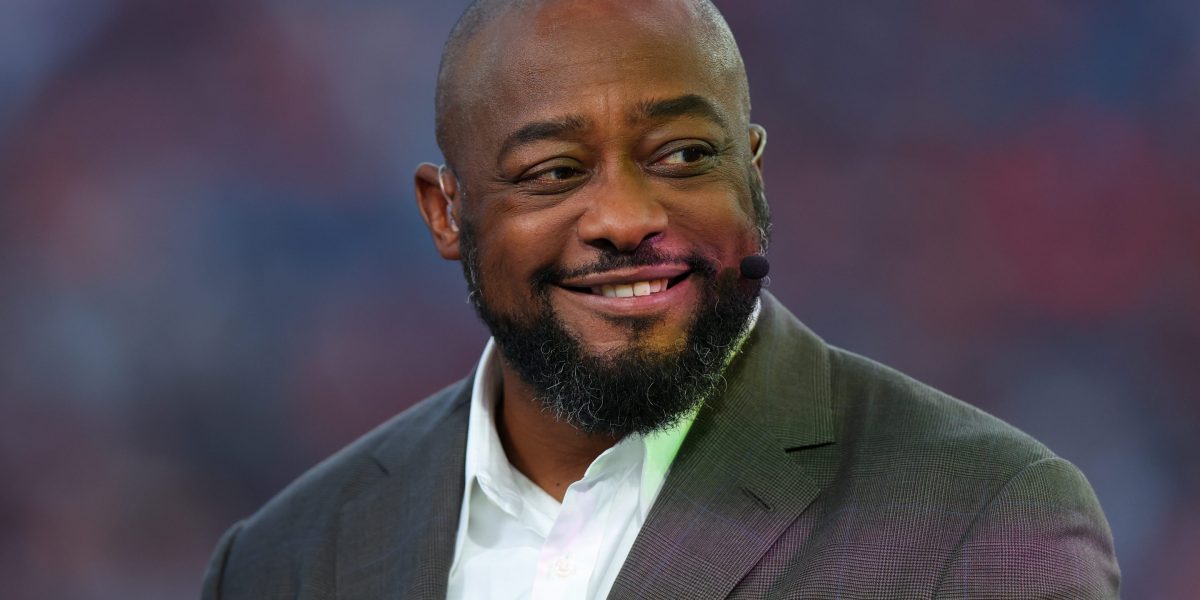
Mike Tomlin, the former Pittsburgh Steelers coach, spent 12 years building a virtual city in Minecraft, which he recently shared on YouTube. His first video, featuring high-rise apartments and a baseball stadium, received over 3.4 million views. Tomlin, who earned $16 million in 2025, said he became interested in the game to connect with his sons. Critics questioned whether his hobby distracted from his coaching career. Experts say hobbies can help reduce work-related stress, but not all activities provide the same benefits.
Our Reading
The numbers tell one story.
Tomlin built a city in Minecraft over 12 years.
His YouTube video drew 3.4 million views.
Critics questioned if the hobby distracted from his work.
Some say hobbies help with stress, but not all are equal.
Author: Evan Null
Hobbies and Work-Life Balance
Many high-profile individuals, including NFL coaches and CEOs, have found ways to unwind through hobbies. These activities can offer a break from professional pressures and help with mental recovery. However, the effectiveness of these hobbies varies, and some may even become distractions.
Minecraft as a Creative Outlet
Mike Tomlin’s interest in Minecraft began as a way to connect with his sons. As they grew older, he continued building, finding the activity therapeutic. His virtual city, complete with a speakeasy and an aquarium, showcases his dedication to the game.
Criticism and Public Reaction
While some praised Tomlin’s creativity, others questioned whether his hobby took away from his coaching responsibilities. The debate highlights the challenge of balancing professional duties with personal interests, especially for those in high-stress roles.
Other Executives and Their Hobbies
Warren Buffett spends his evenings watching YouTube, while Goldman Sachs CEO David Solomon DJs. These examples show that successful people often find ways to relax that have little to do with their day jobs. Some argue that these hobbies can improve performance by reducing stress and offering new perspectives.
The Role of Hobbies in Stress Recovery
Experts suggest that hobbies can help people recover from work-related stress, especially in demanding careers. However, not all activities are equally beneficial. Some may even cause burnout if they interfere with rest or lead to injury. The key is finding a balance that supports both personal well-being and professional success.