Source: Fortune.com
Summary
Nelson Vandermeer, a former product designer at Howard Miller, lost his job after the company closed its factory, citing tariffs as a contributing factor. The clockmaker, which had operated for a century, laid off nearly 200 workers. Vandermeer, who previously supported Republicans, plans to vote for Democrats in the upcoming midterms. Tariffs, a key part of Trump’s economic agenda, have faced backlash as manufacturing jobs have not returned as promised. White House officials claim a factory boom is underway, but workers and companies say the impact has been negative.
Our Reading
The announcement sounds familiar.
Tariffs promised jobs, but factories closed instead.
Workers say the plan hurt them, not helped.
Republicans face backlash in key states.
The numbers tell one story, but the reality is different.
Author: Evan Null
Trump’s Tariff Strategy and Its Impact on Workers
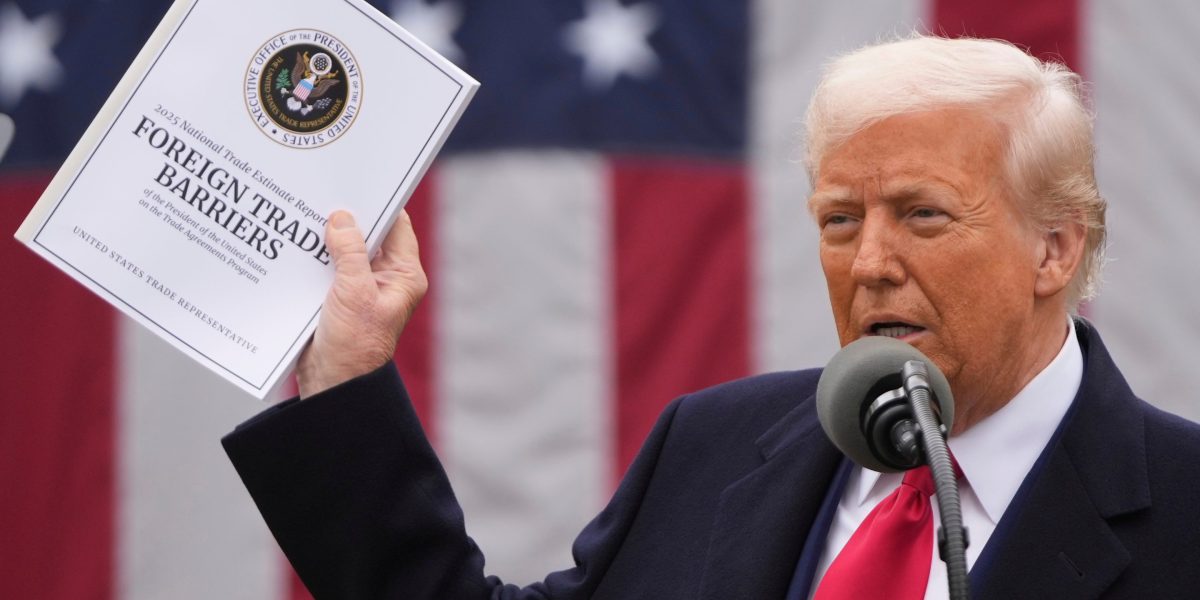
Donald Trump’s tariff policies, aimed at bringing manufacturing jobs back to the U.S., have led to factory closures and job losses. Nelson Vandermeer, a former product designer at Howard Miller, lost his job when the company closed its factory, citing tariffs as a factor. The clockmaker, which had operated for a century, laid off nearly 200 workers. Vandermeer, who previously supported Republicans, plans to vote for Democrats in the upcoming midterms. Tariffs, a key part of Trump’s economic agenda, have faced backlash as manufacturing jobs have not returned as promised.
White House officials claim a factory boom is underway, but workers and companies say the impact has been negative. The tariffs, which were a cornerstone of Trump’s economic strategy, have led to higher costs for imported goods, affecting companies like Winnebago Industries, which cut 200 jobs after the cost of importing materials increased. The company’s CEO, Michael Happe, described the situation as a “day to day battle.”
Other companies, like Vornado Air in Kansas, also faced layoffs due to higher prices for imported parts. The tariffs have created uncertainty for businesses, making it difficult to plan. Koby Bird, a retired quality control worker, said the tariffs were unpredictable and made it hard for businesses to operate. Despite this, Bird plans to continue supporting Republicans, believing that Democrats would spend too much on the wrong things.
While some workers are turning against Trump, others remain loyal. Union leader Wendell Young noted a shift in sentiment among workers, who are increasingly blaming tariffs for job losses. However, not all workers agree. One worker at a Post Holdings plant wrote that Trump was not the reason for the layoffs. Despite this, the impact of tariffs on manufacturing jobs is clear, with many workers feeling the effects of the policy.
The backlash against Trump’s tariffs has created challenges for Republicans in key battleground states. In Iowa, Kansas, and Ohio, factory layoffs and higher prices are affecting voters. The situation highlights the complex relationship between trade policy and job creation, with workers and companies struggling to adapt to the changing economic landscape.