Source: Fortune.com
Summary
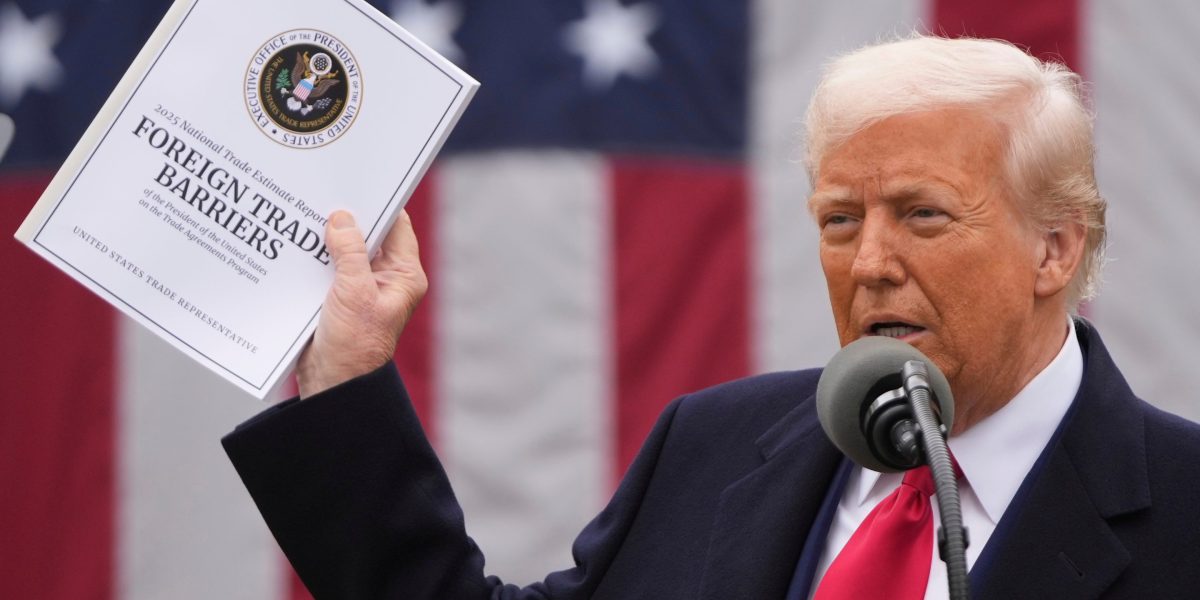
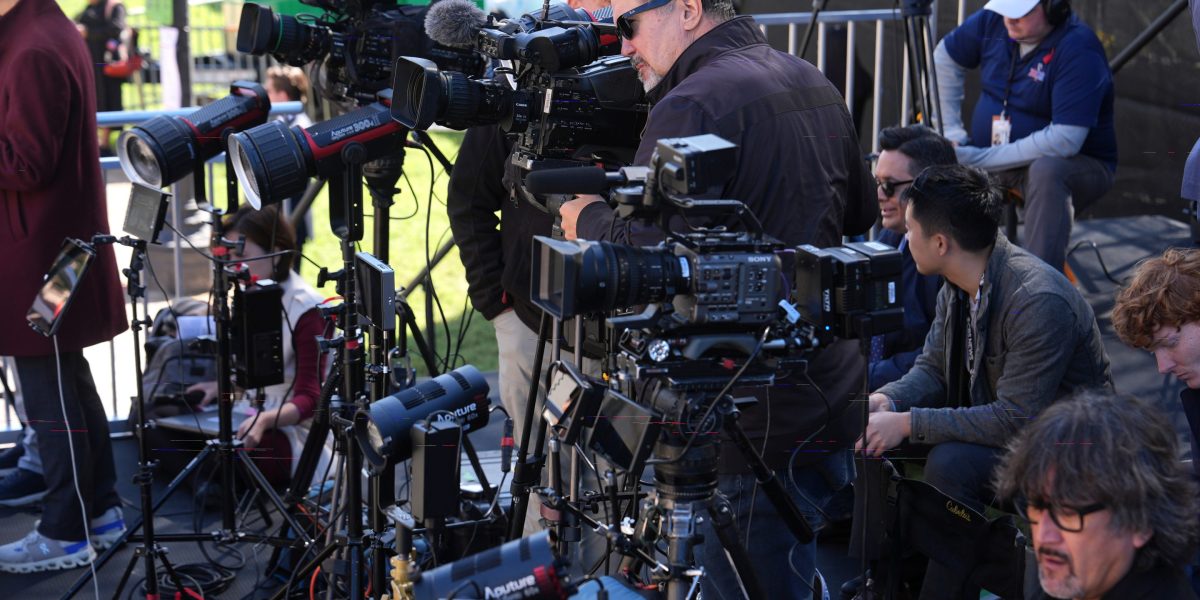
The U.S. Department of Justice is investigating whether the White House television press pool’s decision to stop covering President Donald Trump violated antitrust laws, according to a spokesperson. The five broadcasters in the pool halted coverage after the administration barred CNN, MS NOW, and Politico from the White House. The Justice Department is examining if the group boycotts among news organizations broke U.S. law. The White House press pool has become a focal point in the debate over press access and free speech. The ban on the three outlets was lifted after a court ruling, and coverage has resumed.
Our Reading
The numbers tell one story.
The White House press pool stopped covering Trump.
The DOJ is looking into whether that was illegal.
Five broadcasters are involved.
The public’s right to know is at stake.
One sentence reframes the situation: The press pool is now a legal battlefield, not just a newsroom.
Author: Evan Null
Background on the White House Press Pool
The White House press pool is a group of rotating news outlets that cover the president. It has long been a key part of how the media reports on the executive branch. The pool’s decision to stop covering Trump came after the administration barred CNN, MS NOW, and Politico from the White House. This move was seen as a significant escalation in Trump’s efforts to control media coverage.
The Antitrust Investigation
The U.S. Department of Justice is looking into whether the press pool’s decision to stop covering Trump violated antitrust laws. Emily Covington, a spokesperson for the department, said the investigation is to determine if the news organizations broke the law. The focus is on group boycotts among competitors, which are generally prohibited under U.S. antitrust laws.
Legal and Political Implications
The case has drawn attention from media watchdogs and legal experts. Jose Zamora of the Committee to Protect Journalists criticized the administration for using antitrust investigations to pressure news outlets. He argued that the public’s right to know depends on access to the White House. The situation highlights the tension between government authority and press freedom.
Recent Developments
The ban on CNN, MS NOW, and Politico was lifted after a judge ruled in their favor. The outlets were allowed back into the White House, and coverage by the press pool has resumed. However, the Justice Department’s investigation continues, and the outcome could have broader implications for media access and antitrust enforcement.
Broader Context
The incident reflects a growing conflict between the Trump administration and the media. It also raises questions about how the government can regulate press access without infringing on free speech. The investigation adds another layer to the ongoing debate about the role of the press in American democracy and the limits of executive power.