Source: Fortune
Summary
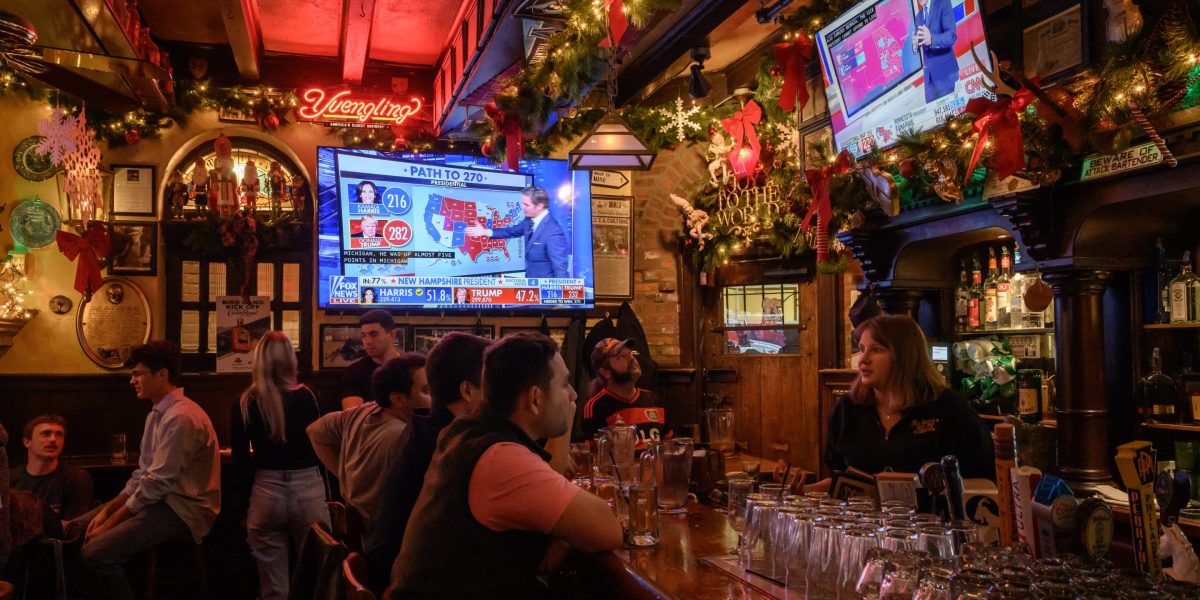
A Reuters/Ipsos poll found 60% of U.S. adults oppose using prediction markets to bet on election outcomes, while 13% support it. CBS News added real-time election odds from Kalshi to its coverage, alongside its own polling. Kalshi has similar deals with CNN and CNBC. A separate analysis found that top traders control most of the volume in prediction markets. Most Americans view prediction markets as gambling and have little experience with them. Kalshi disputed the poll, calling it biased and noting it didn’t use neutral language.
Our Reading
The numbers tell one story.
Most Americans don’t like betting on elections.
Media outlets add prediction markets to coverage.
Top traders dominate the volume in prediction markets.
Opinion polls and prediction markets don’t always align.
Author: Evan Null
Kalshi Challenges the Findings
Kalshi disputes the poll, saying it used leading questions and biased language. The poll described prediction markets as allowing people to “wager money on the outcome of real-world events,” but Kalshi argues that the phrasing skewed results. The company said the poll didn’t measure familiarity with prediction markets, which could have influenced responses. A March Ipsos poll found only 21% of Americans were very or somewhat familiar with prediction markets. Kalshi called for more neutral research and better reporting of all responses.
Election Odds Aren’t Election Results
Polymarket claims most users visit to view markets, not trade. The company says prediction markets provide unbiased information about events that affect people’s lives. However, turning viewers into traders remains a challenge. Analysts expect election trading to increase as the midterms approach, though not to the level of sports betting. The 2028 presidential election may draw more interest than this year’s midterms.
High Odds Don’t Guarantee Outcomes
Analysts caution against treating high odds as a definitive prediction. A candidate with a 70% chance of winning still has a 30% chance of losing. Markets should be viewed as probabilities, not as crystal balls. Gouker pointed to an example where a market favored a candidate, but the actual outcome was closer than expected. To assess a market’s accuracy, look at whether outcomes occur as often as the odds suggest.
Prediction Markets Face Skepticism
Most Americans view prediction markets as a form of gambling. Only 7% have used them to bet money. The opposition spans party lines, with 69% of Democrats and 61% of Republicans opposing election betting. Despite this, media outlets like CBS and CNN are incorporating real-time odds into their coverage. The practice raises questions about the role of prediction markets in public discourse and the ethics of betting on political outcomes.
Market Volume and Public Perception Diverge
Combined monthly trading volume on Kalshi and Polymarket more than doubled, from $26 billion in May to $53 billion in July. However, this growth is largely driven by sports markets, not elections. Sports offer more frequent events and faster-moving odds, making them more attractive to traders. Election markets, by contrast, are less liquid and less popular. Analysts suggest that election trading may grow as the midterms approach, but it’s unlikely to match the volume of sports betting.