Source: Fortune
Summary
Peter Lee, former president of Microsoft Science, will join the Mercedes Formula 1 team as an AI advisor, according to Fortune. Lee, who spent 16 years at Microsoft, will focus on AI applications for physics problems, data integration, and regulatory guidance. His role is set to begin with a one-year contract. Lee previously worked on AI projects in healthcare, including tumor detection and medical diagnostics. His move reflects the growing demand for AI expertise across industries.
Our Reading
The numbers tell one story.
Lee leaves Microsoft after 16 years to join Mercedes F1 as an AI advisor.
His role includes tackling physics problems and data silos.
He’s expected to work on AI governance and predictive models.
The move highlights the AI talent war beyond tech.
Author: Evan Null
Peter Lee’s New Role at Mercedes F1
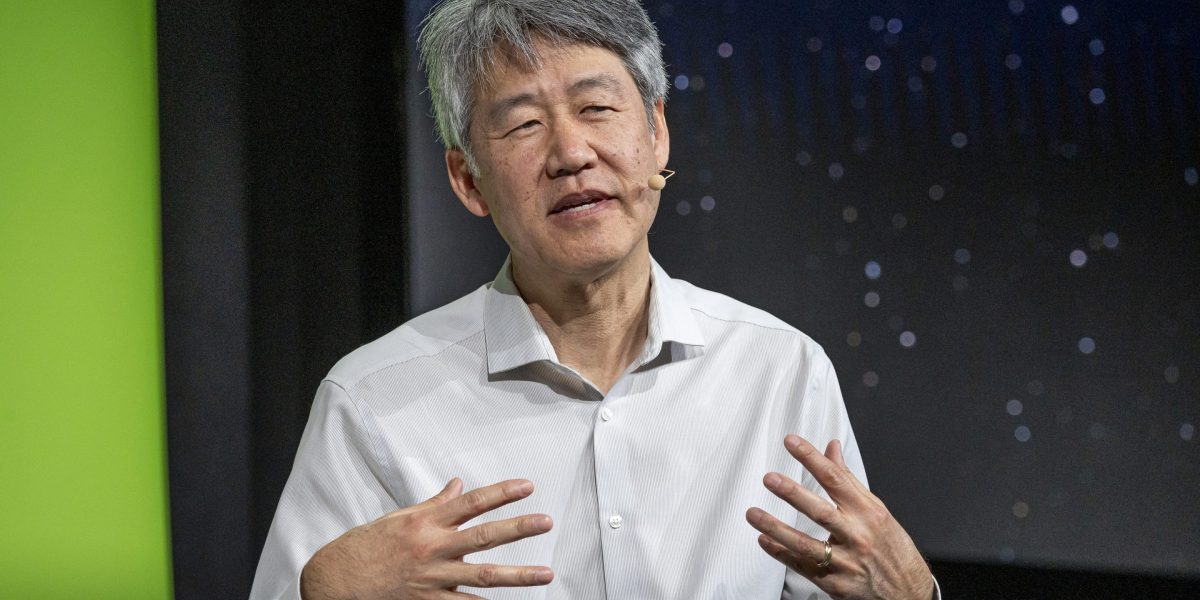
Peter Lee, who served as president of Microsoft Science, has announced his departure from the company to join the Mercedes Formula 1 team. His new role will involve advising the team on AI applications, particularly in areas like physics problems, data integration, and regulatory guidance. The exact title is still being finalized, but he is expected to start with a one-year contract, with the possibility of a second.
Lee’s career at Microsoft spanned 16 years, during which he focused on AI research and its application in healthcare. He worked on projects like InnerEye, which aimed to automate tumor detection, and helped evaluate OpenAI’s GPT-4 for medical use. His work contributed to Microsoft’s AI initiatives in diagnostics and precision medicine.
His move to Mercedes F1 is part of a broader trend of AI experts moving into non-traditional industries. In June, Dr. James Smith, a former DeepMind researcher, joined the Williams F1 team as chief information officer. This reflects the growing competition for AI talent across sectors.
Lee’s new role also comes amid a wave of departures at Microsoft. CEO Satya Nadella is reorienting the company toward enterprise and cloud AI, leading to exits by several high-level executives, including Ryan Roslansky and Frank X. Shaw.
Lee has expressed excitement about his new position, calling it a dream come true. He sees parallels between Formula 1 and healthcare, particularly in the need for rapid, data-driven decisions. His goal is to use AI to enhance collaboration and decision-making in both fields.
The AI Talent War Intensifies
The competition for AI talent is heating up, with industries outside of Silicon Valley actively seeking experts. Microsoft’s departure of Lee is one example of how AI is reshaping career paths and corporate strategies. Companies are no longer just competing for AI engineers—they’re looking for leaders who can bridge technology with real-world applications.
Lee’s move to Mercedes F1 underscores the growing importance of AI in sports. Formula 1 teams are increasingly using data analytics and machine learning to improve performance. By hiring an AI advisor, Mercedes is signaling its commitment to leveraging technology for competitive advantage.
His new role is not without challenges. The Formula 1 environment is fast-paced and high-stakes, requiring quick decisions and seamless collaboration. Lee’s background in healthcare and research may provide a unique perspective, but he will need to adapt to the different demands of the racing industry.
The shift also highlights the broader trend of AI integration across sectors. From healthcare to sports, companies are looking for ways to apply AI to solve complex problems and gain an edge. Lee’s experience in both fields positions him well for this transition.
As more professionals move into AI roles outside of traditional tech, the landscape of the industry is evolving. Companies are rethinking how they structure their teams and what skills they value. Lee’s career path is a clear example of this ongoing transformation.
Microsoft’s Shift in Focus
Peter Lee’s departure from Microsoft comes as the company undergoes a strategic shift under CEO Satya Nadella. The focus is now on enterprise and cloud AI, leading to a series of high-profile exits. Executives like Ryan Roslansky and Frank X. Shaw have left, signaling a realignment of priorities.
Lee’s role at Microsoft involved accelerating discovery in the sciences through AI. He worked on projects like InnerEye, which aimed to improve medical diagnostics. His contributions helped shape Microsoft’s AI initiatives in healthcare, particularly in areas like precision medicine and clinician tools.
Despite his departure, Microsoft continues to invest in AI research and development. The company has partnered with institutions like the Mayo Clinic and Harvard Medical School to enhance its AI tools. However, recent efforts have shifted toward business applications, with Copilot focusing more on enterprise use than general or medical applications.
The company’s recent AI tools, such as a disease-diagnosis system, have shown promise, but the focus is now more on enterprise solutions. This shift reflects a broader trend in the tech industry, where AI is being tailored for business efficiency rather than consumer or medical use.
As Microsoft reorients its strategy, the departure of key figures like Lee signals a new chapter for the company. The emphasis on enterprise and cloud AI is likely to shape the future of Microsoft’s AI initiatives and its approach to innovation.
AI in Formula 1: A New Frontier
Formula 1 teams are increasingly turning to AI to gain a competitive edge. Mercedes, in particular, is investing in technology to improve performance and decision-making. By hiring Peter Lee as an AI advisor, the team is taking a step toward integrating advanced AI solutions into its operations.
Lee’s role will involve addressing physics problems related to car performance, breaking down data silos, and developing predictive models. These tasks are crucial for optimizing the team’s strategy and improving results. His background in AI research and healthcare provides a unique perspective that could benefit the team.
The use of AI in Formula 1 is not new, but the focus is shifting toward more specialized applications. Teams are using data analytics and machine learning to refine everything from race strategies to car design. Lee’s expertise in AI governance and data integration could help Mercedes stay ahead of the curve.
His move also highlights the growing importance of AI in sports. As teams compete for dominance, the ability to leverage technology effectively is becoming a key differentiator. Lee’s experience in both AI and healthcare may give him a unique advantage in this new environment.
With the introduction of AI advisors, Formula 1 is entering a new era of technological integration. The success of this approach will depend on how well teams can adapt and apply AI to their specific needs. Lee’s role at Mercedes is a clear sign that the sport is embracing the future of technology.
AI’s Impact on Career Paths
The rise of AI is reshaping career paths across industries, with professionals moving into roles that were once outside their original fields. Peter Lee’s transition from Microsoft Science to the Mercedes Formula 1 team is a prime example of this trend. His move reflects the growing demand for AI expertise in sectors beyond traditional tech.
As AI becomes more integrated into various industries, the need for skilled professionals is increasing. Companies are looking for individuals who can apply AI to solve complex problems and drive innovation. Lee’s background in healthcare and research positions him well for this transition, as he brings a unique set of skills to the Formula 1 team.
The shift also highlights the evolving nature of AI careers. Professionals are no longer confined to tech companies; they are finding opportunities in fields like sports, finance, and healthcare. This trend is likely to continue as more industries recognize the value of AI in improving efficiency and decision-making.
Lee’s career path demonstrates the versatility of AI skills and the potential for professionals to move between different sectors. As the demand for AI expertise grows, more individuals may follow similar paths, seeking new opportunities in emerging fields.
The impact of AI on career trajectories is a clear indicator of its growing influence. As more industries adopt AI, the way people work and the roles they take on are changing. Lee’s move is just one example of how AI is reshaping the professional landscape across sectors.