Source: Fortune
Summary
A Cincinnati police lieutenant was indicted on a felony charge for using a Flock license plate reader system to track someone he knew, according to the Hamilton County Prosecutor’s Office. Walter Cordes, 48, searched the system 29 times between December 2024 and April 2026 for personal reasons. The charge is a fifth-degree felony. The case came to light after Cordes self-reported during a department audit. Sharonville Police Chief Jim Nesbit said the department addressed improper use found during the audit. Flock, an $8 billion startup, has faced scrutiny over misuse of its cameras by law enforcement.
Our Reading
The numbers tell one story.
Cordes used the system 29 times for personal reasons.
He self-reported during an audit, then admitted to it.
Other improper uses were found during the same audit.
Law enforcement is facing growing scrutiny over tech misuse.
Author: Evan Null
Several other cases
The case is one of several in recent weeks. In September, prosecutors in Marion County, Indiana, charged five Indianapolis police officers with misusing their access to Flock cameras. One officer allegedly looked up the location of his ex-wife’s car more than 950 times over six months. On Oct. 7, a former Joliet, Illinois, police lieutenant, Jeremy Harrison, was charged with computer tampering and official misconduct over his use of the city’s Flock system.
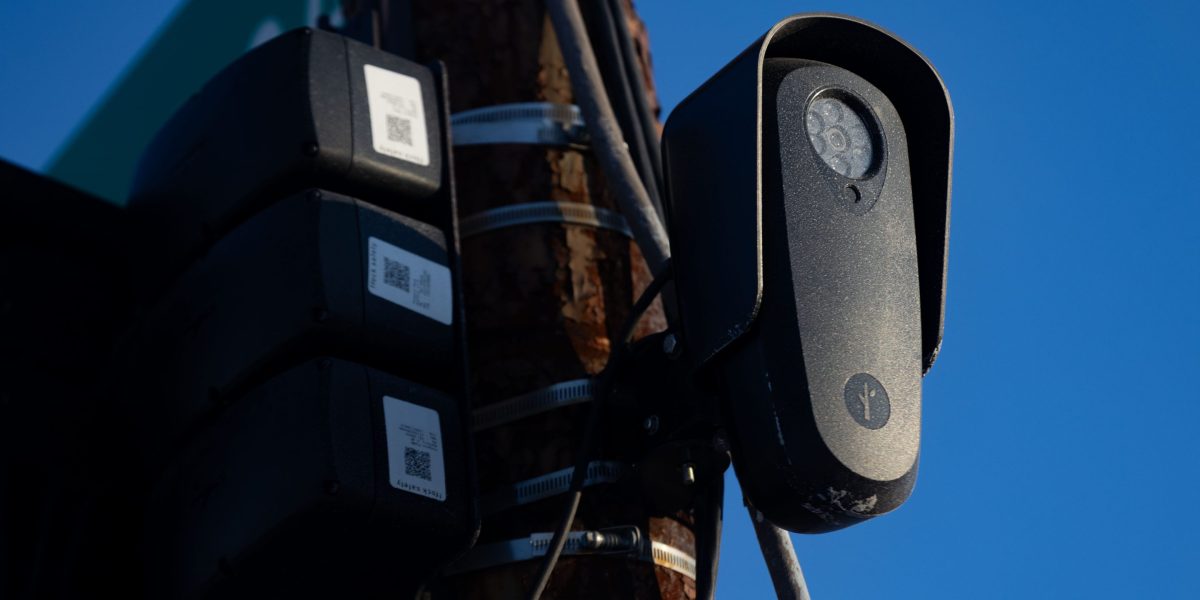
The charges add to pressure on Flock, an $8 billion startup backed by a16z and Tiger Global, whose cameras let any police department with a contract reconstruct where a car has been. Flock told Fortune it has raised $500 million at an $8.3 billion valuation and has argued it is adding customers far faster than it loses them.
In August, two Arizona cities, Tempe and Cave Creek, ended their Flock contracts on the same day, with Cave Creek citing privacy concerns and cases of misuse. A Flock spokesperson said then that every search is logged and reviewed through the company’s Audit Assistance tool, which flags unusual activity for administrators.
Closer to Sharonville, many jurisdictions in Greater Cincinnati have halted or canceled their Flock contracts over misuse concerns, WVXU reported, including the Hamilton County Sheriff’s Office, which investigated Cordes.
Flock declined to comment. An attorney for Cordes could not be reached.
Prosecutor’s statement
“When technology is misused, it undermines public trust,” Hamilton County Prosecutor Connie Pillich said in a statement. Pillich said Cordes is the first law enforcement official her office has charged with misusing the technology since she took office.
The statement highlights the growing concern over how law enforcement uses surveillance technology. Pillich’s remarks reflect a broader trend of increased scrutiny on how police departments handle sensitive data.
Her office’s decision to charge Cordes signals a shift in how prosecutors are handling cases involving misuse of surveillance tools. It also shows a willingness to hold individual officers accountable for personal use of department resources.
The case may set a precedent for future charges involving similar misuse of technology in law enforcement. It also underscores the need for stronger oversight and accountability measures.
Law enforcement response
Rich Krummen, president of Fraternal Order of Police Lodge 74, told FOX19 that people he’d spoken with were shocked, but added, “that’s why we have checks and balances.”
The statement reflects the internal debate within law enforcement about the balance between accountability and privacy. While some officers support stricter oversight, others argue that it could hinder police work.
The Fraternal Order of Police has historically been a strong advocate for police rights and protections. Their response to the case suggests they are aware of the broader implications for law enforcement practices.
However, the statement also highlights the tension between maintaining public trust and ensuring that officers follow proper procedures when using surveillance tools.
Public reaction and privacy concerns
The case has sparked public concern over the use of license plate reader technology by law enforcement. Many residents are questioning how much data is being collected and how it is being used.
Privacy advocates have long raised concerns about the potential for abuse of such systems. The case of Walter Cordes is seen as a clear example of how these tools can be misused for personal reasons.
Some communities have taken steps to limit the use of Flock cameras, citing privacy and misuse concerns. This trend reflects a growing public demand for transparency and accountability in law enforcement practices.
The case may lead to more public scrutiny of how police departments handle sensitive data and whether they are doing enough to prevent misuse.