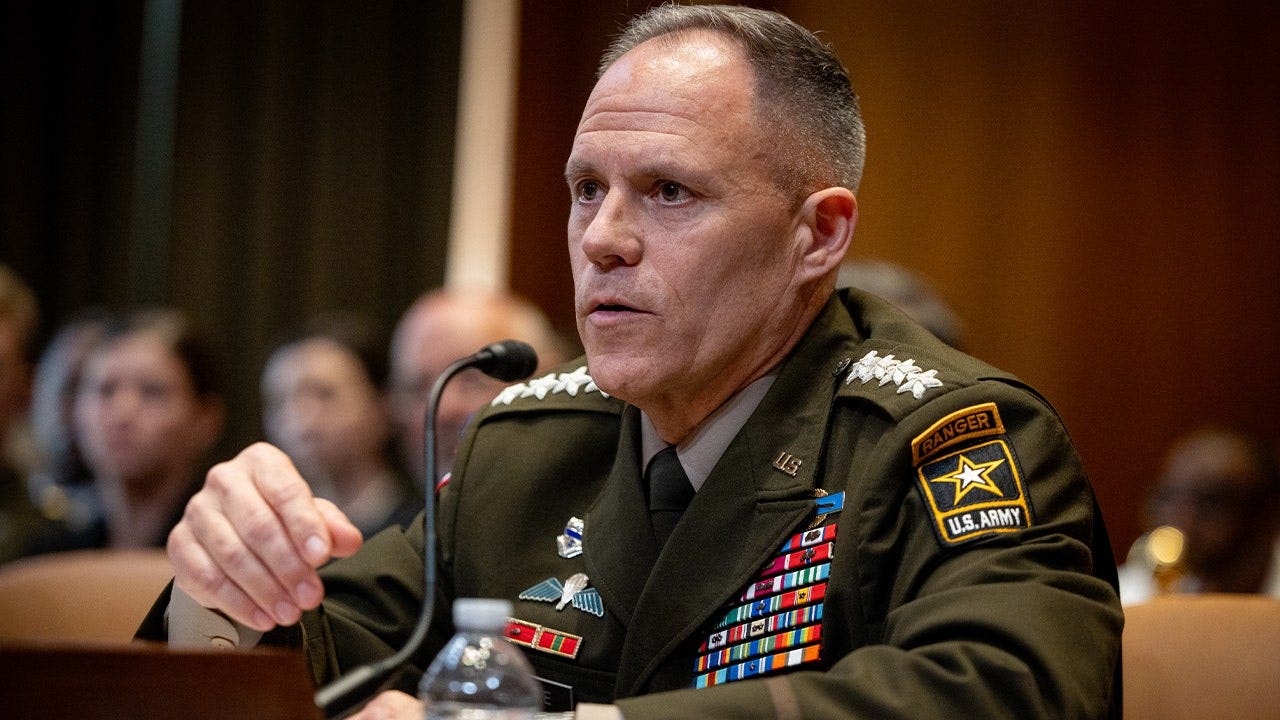
Source: Fox News
Summary
The U.S. Army is adjusting its strategy to prepare for potential attacks on American soil, as threats like drones and cyberattacks grow. Gen. Christopher LaNeve, the Army’s acting chief of staff, said the military is rethinking past assumptions, such as secure bases and supply lines. The Pentagon’s report on China’s military capabilities highlights concerns about cyber threats to U.S. infrastructure. Recent drone incursions at military bases have raised alarms, and the Army is testing counter-drone technology. The new operational framework emphasizes readiness to fight even when communications and supply lines are disrupted.
Our Reading
As expected, the matter has reached another stage.
Gen. LaNeve speaks about rethinking past assumptions.
Army leaders mention cyber threats and drone incursions.
Officials test counter-drone tech at military bases.
The Army prepares for a fight on home soil, as if it were always coming.
Author: Evan Null
Revising the Premise
The American military has long operated under the idea that combat should happen overseas. But with new threats like drones and cyberattacks, that premise is changing. Army leaders are now preparing for a future where American forces could be attacked before they even deploy. This shift comes as the Pentagon warns about China’s growing capabilities and how they could disrupt U.S. military operations.
Adjusting Strategy
Gen. Christopher LaNeve, the Army’s acting chief of staff, said the military is rethinking assumptions from past conflicts in Iraq and Afghanistan. During those wars, American forces could rely on secure bases and supply lines. Now, with threats closer to home, the Army is adjusting its strategy. The new operational framework focuses on how forces can deploy and fight even when infrastructure is under attack.
Testing New Technologies
The Army is testing counter-drone technology at military bases, including Joint Base Langley-Eustis and Picatinny Arsenal. These tests are part of a broader effort to prepare for future conflicts. Officials are also incorporating biological threats into combat training, ensuring soldiers can operate even during disease outbreaks or deliberate attacks. This reflects a growing emphasis on readiness for all types of threats.
Concerns About Cyber Threats
The Pentagon’s latest report on China’s military capabilities warns that Beijing has cyber capabilities inside U.S. critical infrastructure. These could be used to disrupt military mobilization during a conflict. The Army is working with federal and local law enforcement to strengthen counter-drone defenses. This collaboration is part of a larger effort to protect military installations and infrastructure from emerging threats.
Preparing for a New Era
The changes in strategy are being led by an Army leadership team serving in acting capacities. Gen. LaNeve remains the Senate-confirmed vice chief of staff. The new framework emphasizes the Army’s ability to deploy and sustain operations under threat. It also highlights the need for soldiers to be capable of fighting without advanced technology, reinforcing the idea that soldiers are the Army’s main platform.