Source: Fox News
Summary
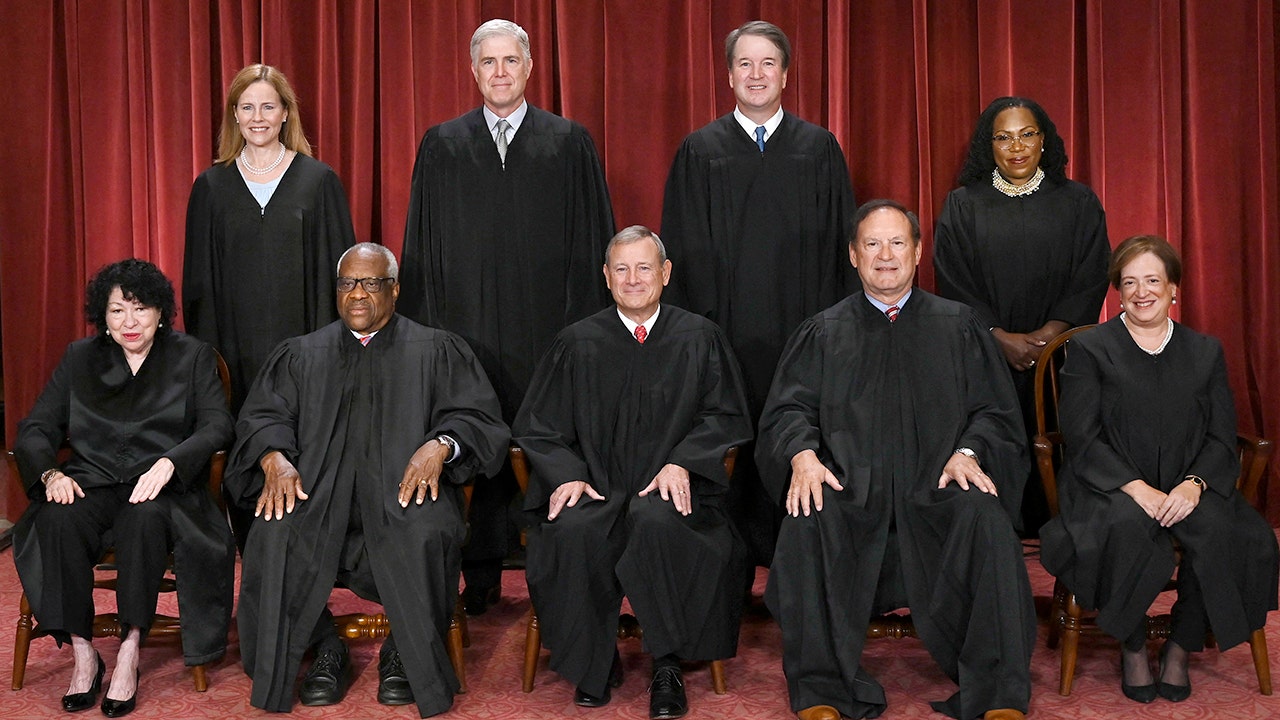
Conservative Justice Neil Gorsuch and liberal Justice Sonia Sotomayor joined forces to question the federal government’s prosecution of Jesus Herrera-Salazar, an illegal immigrant. The two justices raised concerns about the government’s decision to prosecute him twice for being in the U.S. after a court prohibited him from leaving Oklahoma. They argued that the prosecution created a constitutional problem, as Herrera-Salazar was trapped between two legal violations. The Supreme Court declined to hear the case, but Sotomayor and Gorsuch issued a joint statement highlighting the issue.
Our Reading
As expected, the matter has reached another stage.
Gorsuch and Sotomayor question the government’s prosecution of an illegal immigrant.
Their joint statement highlights constitutional problems with the case.
Their alliance is unusual but not new.
Their repeated collaboration shows how legal arguments can cross ideological lines.
Author: Evan Null
Unlikely Alliances
Justice Neil Gorsuch, appointed by Donald Trump, and Justice Sonia Sotomayor, appointed by Barack Obama, joined forces to question the government’s prosecution of Jesus Herrera-Salazar. Their collaboration is rare but not unprecedented. Both justices have previously raised concerns about government actions in separate cases. Their joint statement highlights constitutional issues, even though the Supreme Court declined to hear the case. The situation reflects how legal arguments can transcend political divisions.
Constitutional Concerns
The case involved Herrera-Salazar, a Mexican national who was prosecuted twice for being in the U.S. after being prohibited from leaving Oklahoma. The justices argued that the government’s actions created a constitutional dilemma. They pointed out that Herrera-Salazar was caught between two legal violations. Their statement did not challenge the Court’s decision not to hear the case but raised concerns about how similar situations might be handled in the future.
Legal Precedent
The justices referenced Supreme Court precedent that limits how prosecutors can use double-jeopardy protections. They argued that the government could not split a continuous crime into separate periods to avoid constitutional rules. This reasoning was similar to their earlier concerns about warrantless arrests and property damage during police operations. Their repeated focus on legal boundaries shows a pattern of concern about government overreach.
Public Statements
Sotomayor and Gorsuch used a formal statement to express their concerns after the Court declined to hear the case. This is not a dissent but a public warning to lower courts. They emphasized that the situation was unusual and hoped it would not happen again. Their collaboration highlights how legal arguments can be made without challenging the Court’s decision to not intervene.
Continued Collaboration
This is not the first time Sotomayor and Gorsuch have worked together on legal issues. In previous cases, they raised concerns about property damage and warrantless arrests. Their repeated collaboration suggests a shared interest in constitutional protections. Even though they have different judicial philosophies, they find common ground on issues involving government actions and legal boundaries.