Source: Fox News
Summary
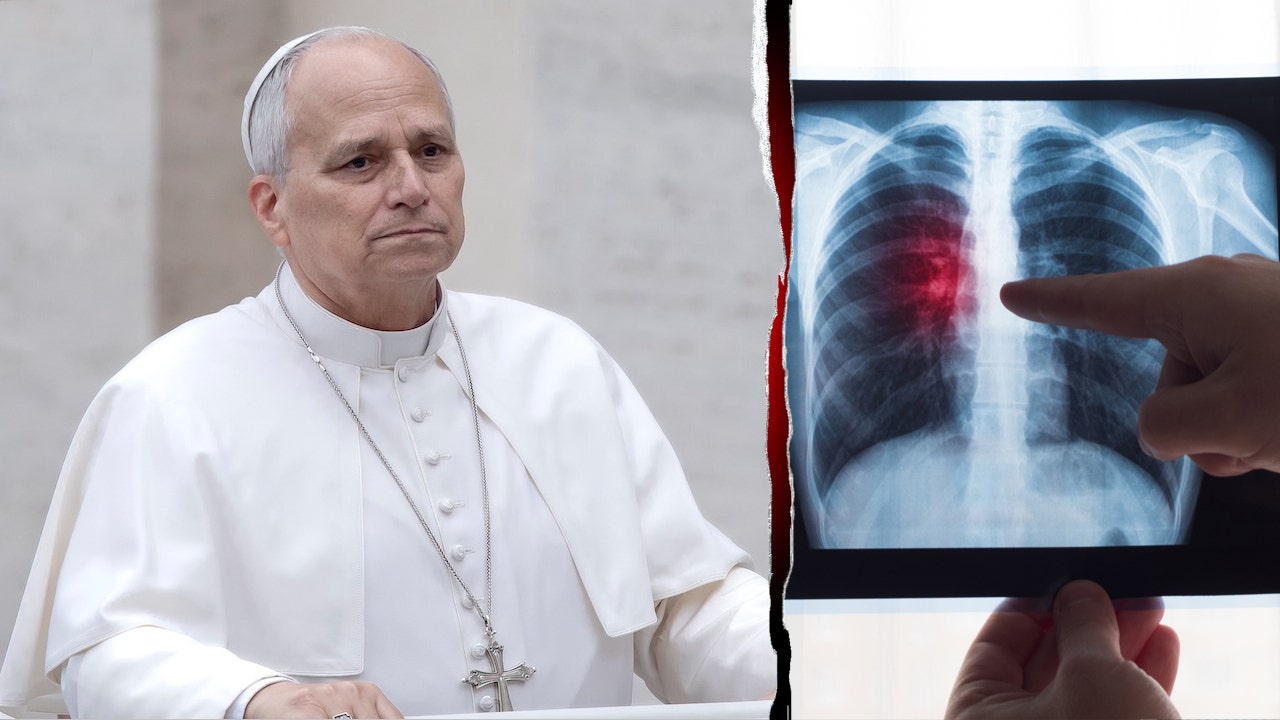
Pope Leo XIV underwent thoracic surgery to remove part of his lung, diagnosed with lung adenocarcinoma, according to the Vatican. The procedure, performed at Gemelli Hospital in Rome, involved removing the lower lobe of the right lung. The pope has been recovering for four days and is reported to be improving. Doctors noted that the surgery, using video-assisted thoracoscopy, allows for quicker recovery. The pope plans to make his first public appearance since the operation. Experts noted that while most lung cancers occur in smokers, about 10% of male and 25% of female patients are never-smokers.
Our Reading
This guidance has been heard before.
Doctors say the pope’s surgery was successful.
Lung cancer can affect non-smokers, too.
Recovery is progressing, but more will be known after pathology results.
The advice sounds familiar, like a cycle that repeats with every new study.
Author: Evan Null
Health Trends and Medical Updates
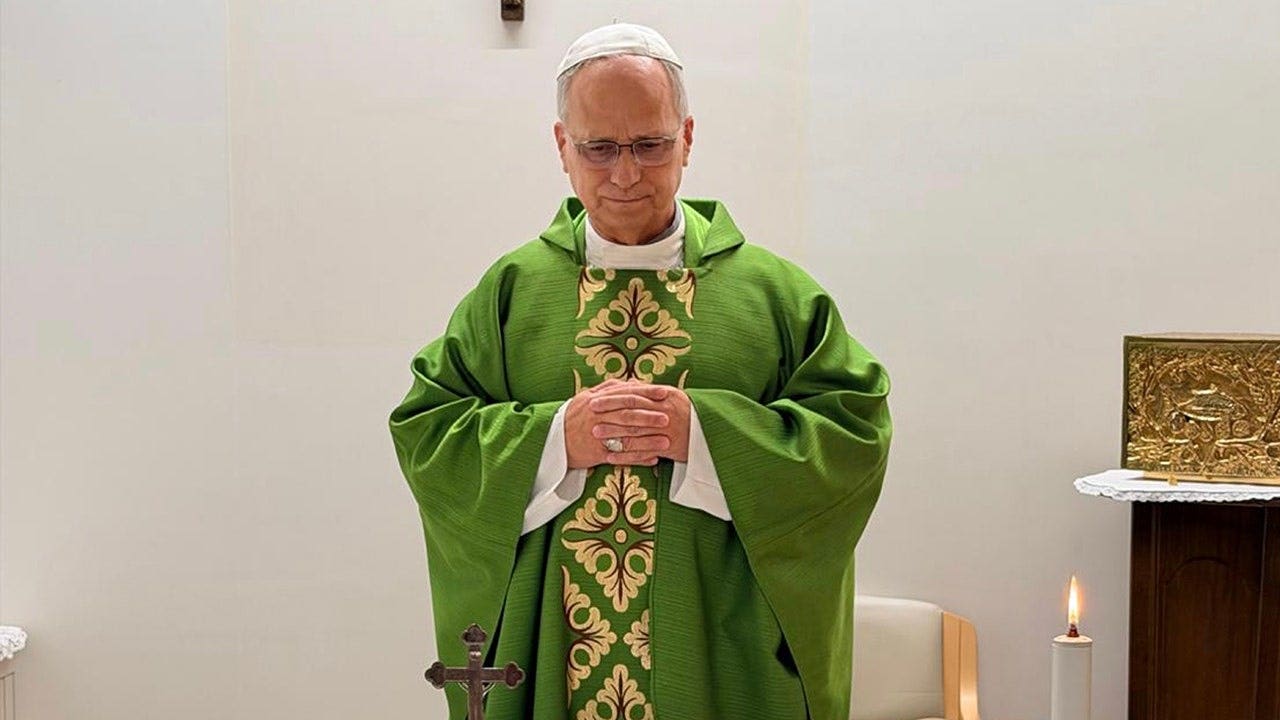
The Vatican confirmed that Pope Leo XIV underwent thoracic surgery to remove the lower lobe of his right lung. The operation was performed at Gemelli Hospital in Rome, and the tissue removed was diagnosed as lung adenocarcinoma, or lung cancer. The pope, 71, has been recovering for four days and is reported to be in steady improvement. The Vatican released photos of the pope celebrating Mass at the hospital, showing him in green vestments and distributing communion.
Dr. Marc Siegel, a Fox News senior medical analyst, explained that the procedure involved a small incision using video-assisted thoracoscopy, which results in less pain and quicker recovery. He noted that the pope was in good health and highly active, which likely contributed to his recovery. Siegel also mentioned that the loss of a lung lobe should not significantly impact daily activities, especially with proper pain management.
Dr. Lary Robinson, an oncologist at Moffitt Cancer Center, expressed surprise at the pope’s health status. He noted that about 80% of lung cancers occur in people who smoke or have smoked, but the condition also affects non-smokers. Robinson added that the pope’s surgery suggests the cancer was localized, likely stage 1, which has a high chance of cure. However, additional treatment may be needed depending on the pathology results.
The pope is expected to make his first public appearance since the operation during the noon-day Angelus. His planned trip to South America in November is still on schedule, though his participation may depend on his recovery. The Vatican reported that the pope is now able to carry out normal daily activities independently, according to Dr. Luigi Carbone and Professor Stefano Margaritora.
Experts emphasize that while smoking is a major risk factor for lung cancer, non-smokers can also be affected. The pope’s case highlights the complexity of cancer diagnosis and treatment, as well as the importance of early detection and personalized care. As with many health topics, the information available can shift with new studies and evolving medical understanding.