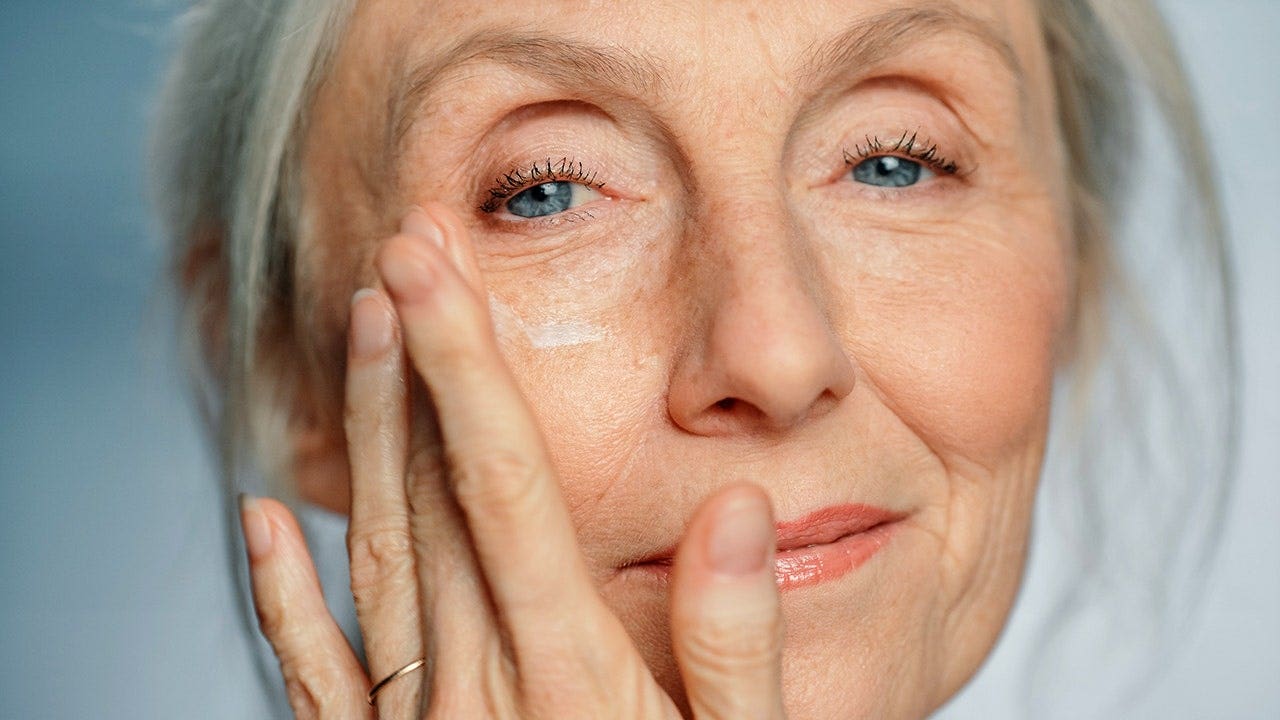
Source: Fox News
Summary
Preliminary data from Rubedo Life Sciences suggests an experimental skin cream, RLS-1496, may reduce signs of aging and inflammation in early human trials. The treatment was tested on patients with eczema and other skin conditions. In a study of 11 patients with atopic dermatitis, four weeks of treatment was linked to a 2.1-year decrease in epigenetic skin age. The cream targets senescent cells and a protein called GPX4, which helps cells respond to stress. Researchers are investigating whether blocking GPX4 can remove damaged cells while helping healthier cells survive. The findings have not been published in a peer-reviewed study and include limitations, such as a small sample size and short treatment duration.
Our Reading
This guidance has been heard before.
Early trials show promise, but results are preliminary.
Companies often highlight early data before peer review.
Studies are small and short-term, making long-term effects unclear.
The idea of reversing aging through cellular targets feels familiar.
Author: Evan Null
Experimental Skin Cream and Aging Markers
According to preliminary data from Rubedo Life Sciences, an experimental skin cream called RLS-1496 may alter molecular markers linked to aging and inflammation. The company, based in Mountain View, California, tested the treatment on patients with eczema and other skin conditions.
Early Trial Results
In an analysis of 11 paired skin samples from patients with atopic dermatitis, researchers found that four weeks of treatment was associated with a 2.1-year decrease in epigenetic skin age. This measure is based on age-related changes in DNA, which can indicate biological aging.
Targeting Senescent Cells
RLS-1496 is designed to target senescent cells—cells that have stopped dividing but can release substances that promote inflammation. The drug targets a protein called GPX4, which helps cells respond to stress. Researchers are studying whether blocking GPX4 can clear away damaged, aging cells while helping healthier cells survive.
Other Skin Conditions
The treatment is also being tested for other skin issues. In a separate early-stage study of 22 patients with actinic keratosis, a precancerous skin condition, the company reported a 49% average reduction in lesions after 28 days of treatment. The study compared treated and untreated areas of the skin rather than using a placebo.
Limitations and Next Steps
The findings come with several limitations. The skin-aging analysis included only 11 paired samples, and the studies were sponsored by Rubedo. The latest skin-aging findings have not been published as a full peer-reviewed study. The company plans to conduct longer trials, and the CEO estimated that potential FDA approval could take three to four years.