Source: Fox News
Summary
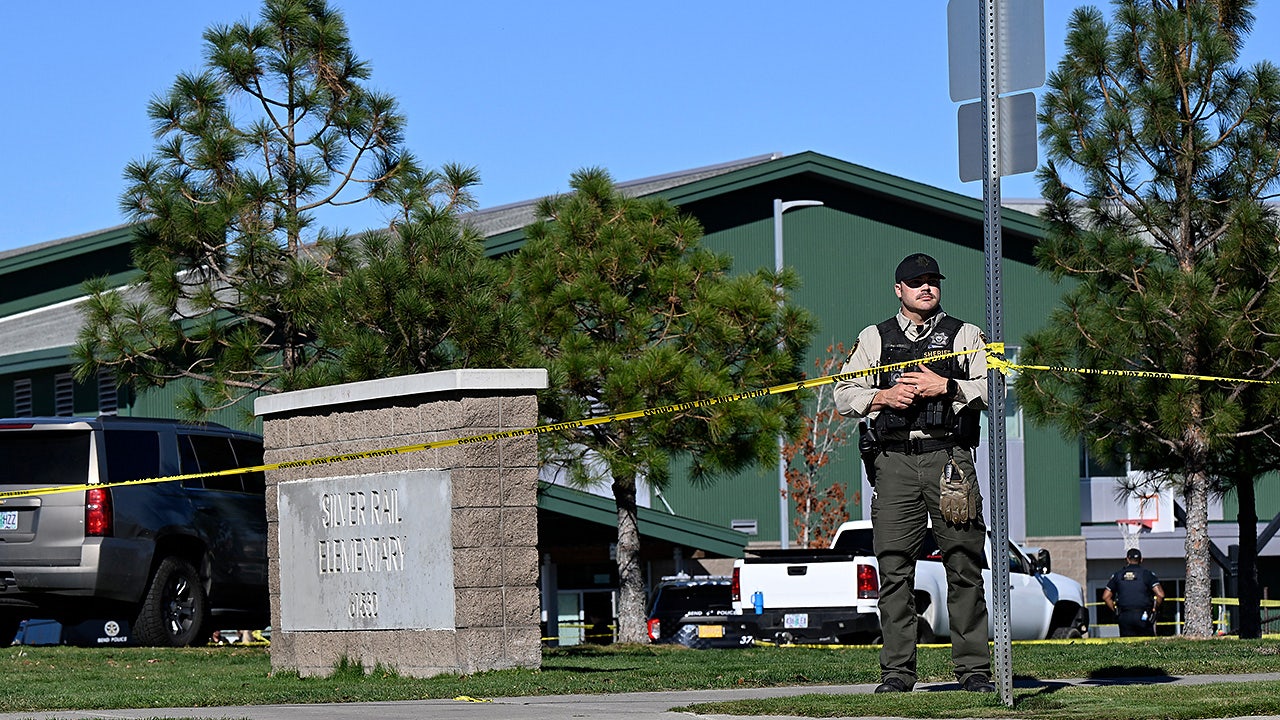
After a school shooting in Oregon killed three children and a teacher, Democrats called for stricter gun laws, while gun-rights advocates argued the attack supported their opposition to restrictions. The shooter used a shotgun owned by his mother, and an armed father intervened, killing the shooter. Gun groups said more restrictions would not have prevented the attack and could hinder armed civilians from acting. The National Rifle Association and others cited research showing most mass shootings occur in gun-free zones. Lawmakers like Sen. Ron Wyden called for new gun control measures, while others urged the Supreme Court to reconsider its rulings.
Our Reading
As expected, the matter has reached another stage.
Democrats demand new laws after a school shooting.
Gun advocates say the attack proves more restrictions are not the answer.
An armed civilian stopped the shooter, according to some.
Lawmakers and groups repeat the same arguments, as if the event were a script.
Author: Evan Null
Gun Politics in Repetition
Democrats and gun-rights groups continue to frame the same arguments after each shooting. The Oregon incident is no different. The shooter used a shotgun from his mother, a detail that shapes the debate. Gun advocates say the attack proves that more restrictions would not have stopped the killer. They argue that an armed civilian intervened, saving lives. The National Rifle Association and others cite research showing most mass shootings happen in gun-free zones. This pattern has repeated for years, with no resolution in sight.
Same Arguments, New Tragedy
Each time a shooting occurs, the same voices rise. Democrats call for action, while gun-rights groups counter with their own data. The Oregon case is no exception. The shooter’s mother purchased the weapon, a fact that fuels the discussion. Gun advocates say the attack shows that more laws would not have stopped the tragedy. They argue that armed civilians can act when others cannot. The debate remains stuck in a loop, with no new solutions emerging.
Political Rituals and Gun Control
The response to the Oregon shooting follows a familiar routine. Lawmakers and advocacy groups repeat their positions. Democrats push for stricter laws, while gun-rights groups defend their stance. The armed civilian who stopped the shooter is highlighted as a key example. The National Rifle Association and others use research to support their claims. The debate is not new, but the tragedy is. The cycle continues, with each event reinforcing the same arguments.
Lawmakers and the Gun Debate
Sen. Ron Wyden and others called for action after the shooting. They argue that new laws could prevent future tragedies. The shooter used a weapon from his mother, a detail that raises questions about access. Gun-rights groups say the attack shows that more restrictions would not have helped. They argue that armed civilians can act in emergencies. The debate continues, with no clear path forward. Lawmakers and advocates remain divided, repeating the same points.
Gun-Free Zones and the Debate
The Oregon shooting occurred in a gun-free zone, a detail that fuels the debate. Gun-rights advocates argue that such zones make schools more vulnerable. They say that armed civilians can stop attackers, as happened in this case. The National Rifle Association cites research showing most mass shootings happen in gun-free zones. Democrats, however, argue that more laws are needed to prevent such tragedies. The debate continues, with each side using the same data to support their claims. The cycle repeats, with no resolution in sight.