<source: FOX News
Summary
Rep. Pat Harrigan, R-N.C., introduced a bill to restrict automated license plate readers (ALPRs), including Flock cameras, by banning searches targeting political or religious messages, requiring warrants, and limiting data retention. Critics argue ALPRs raise privacy concerns, while supporters say they aid crime prevention. The bill would also prohibit vendors from selling location data or using it to train AI models. Harrigan said the legislation aims to balance public safety with constitutional rights.
Our Reading
As expected, the matter has reached another stage.
Rep. Harrigan introduces a bill to limit ALPRs.
Lawmakers debate privacy and security.
Technology tracks cars, messages, and movements.
Surveillance becomes a routine part of governance.
Author: Evan Null
Privacy Concerns and Legislative Responses
Americans are increasingly concerned about the privacy implications of Flock cameras and automated license plate readers (ALPRs). These systems can track vehicle locations and capture images, raising fears about government surveillance. A GOP lawmaker, Rep. Pat Harrigan, is attempting to address these concerns by introducing a bill that would impose restrictions on ALPRs.
The bill would ban searches targeting political or religious messages on vehicles, require warrants for most searches, and mandate the deletion of records within 24 hours. It also prohibits vendors from selling or sharing location data. Harrigan argues that these systems collect an extraordinary amount of information about individuals, even those who have not committed a crime.
Law enforcement uses ALPRs in criminal investigations to track vehicles and identify suspects. However, critics argue that these systems raise constitutional concerns by tracking drivers without consent. Supporters, on the other hand, claim that ALPRs are essential for crime prevention. The debate over the use of ALPRs has gained momentum, with lawmakers from both parties calling for limits on the technology.
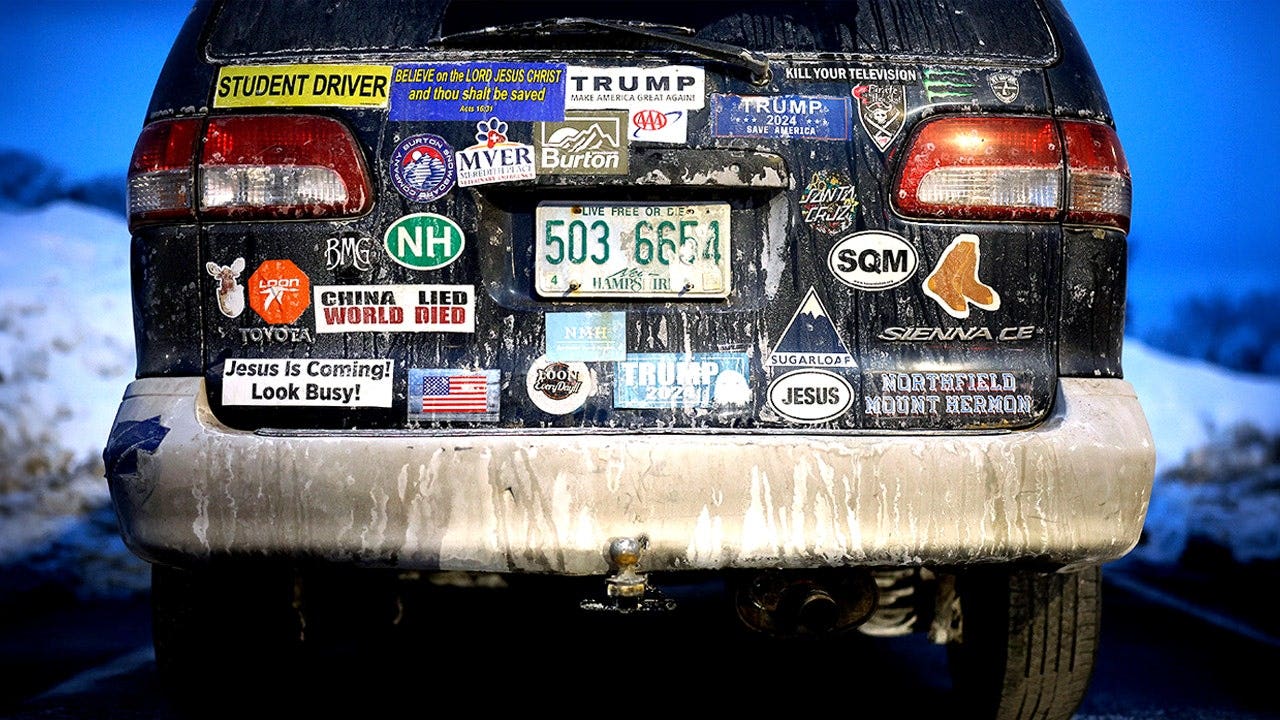
President Donald Trump has expressed support for Flock cameras, despite criticism from some who see them as an infringement on privacy. Harrigan’s bill would also prohibit government agencies from categorizing vehicles by “expressive attributes” like political or religious bumper stickers. This means messages such as “Back the Blue” or “Black Lives Matter” could not be turned into searchable data.
The bill would require law enforcement to obtain a probable cause warrant for most searches, with exceptions for immediate threats to someone’s life or safety. It would also require agencies to log ALPR searches, publish annual reports, and undergo audits. States without qualifying protections could lose 10% of certain federal criminal justice funding. Additionally, vendors would be prohibited from selling ALPR data or using it to train AI models.