Source: Fortune.com
Summary
Seven months into the U.S. war with Iran, fuel prices have risen sharply, increasing costs for driving, flying, and goods. While some companies have raised prices, overall retail prices have not seen widespread increases. A Moody’s economist estimated the war has cost the average U.S. household nearly $2,000, with energy prices being a major factor. Gasoline and diesel prices have risen significantly, and airlines have increased ticket prices and fees. Grocery prices have also risen, though not as much as expected. Transportation costs remain high, and experts warn of potential further price increases.
Our Reading
The numbers tell one story.
Fuel prices have surged, pushing up costs for drivers and airlines.
Companies absorb some costs, but not all, leaving households to bear the brunt.
Transportation and shipping costs remain high, with no clear relief in sight.
The war’s economic impact is felt broadly, with no quick fix in sight.
Author: Evan Null
Iran War and Rising Costs
The U.S. war with Iran has led to a significant increase in fuel prices, affecting various aspects of daily life for American households. The conflict has disrupted oil shipments, leading to higher gasoline and diesel prices. These price hikes have made driving and flying more expensive, adding to the financial strain on consumers.
While some companies have raised prices on certain products, overall retail prices have not seen a widespread increase. This suggests that businesses are absorbing some of the additional costs, but the burden is still largely on consumers. The war’s impact on the economy is evident in the rising costs of energy, transportation, and goods.
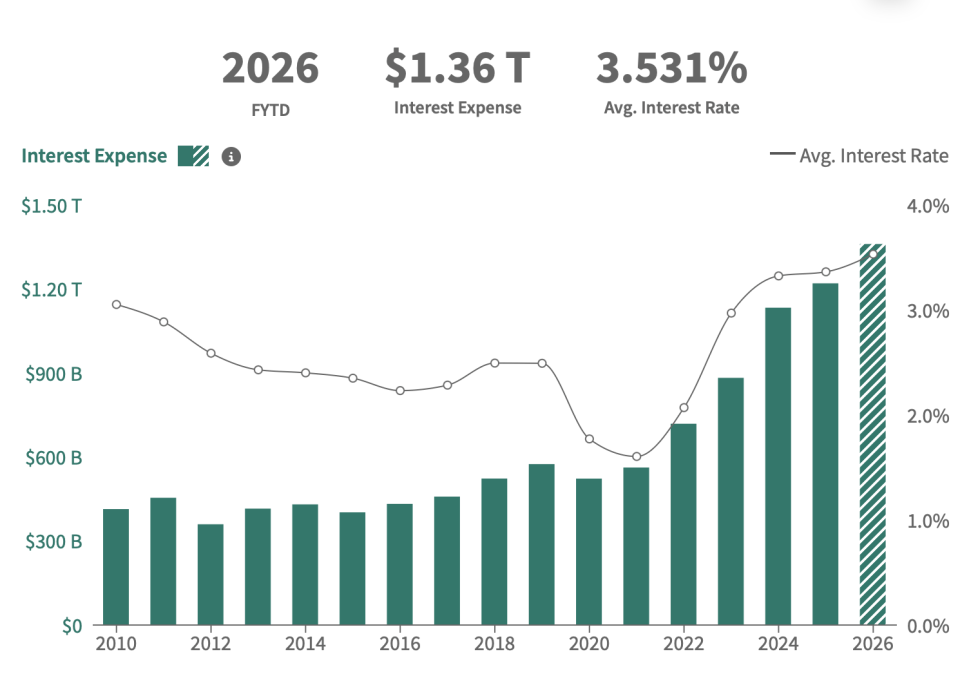
The chief economist at Moody’s Analytics, Mark Zandi, estimated that the war has cost the average U.S. household nearly $2,000. This includes $1,100 in higher energy prices, $540 in higher interest rates, and $360 in military costs. The energy portion of this cost is growing by $50 a week, indicating a continued financial strain on households.
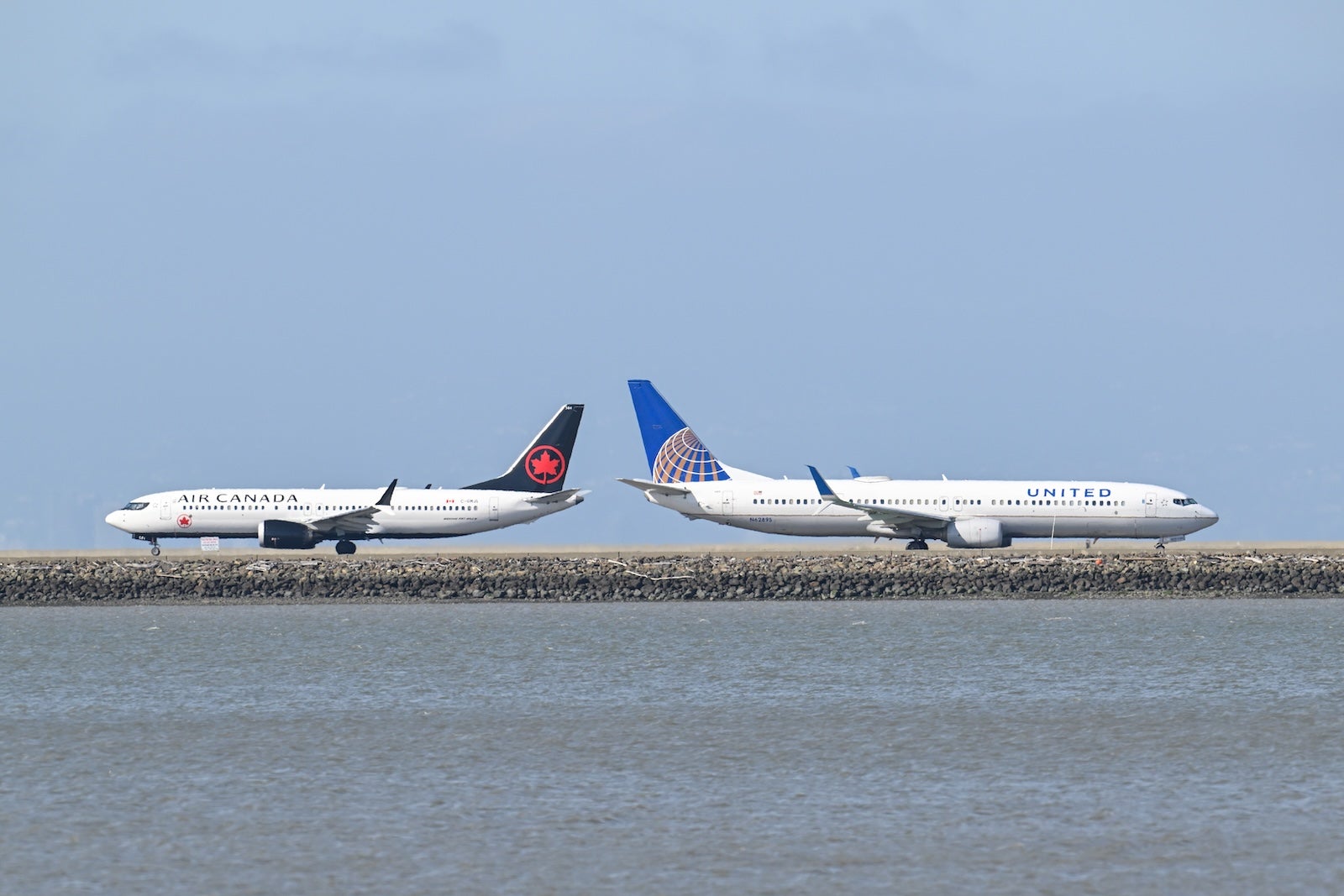
Airlines have also been affected by the rising fuel prices. They have increased ticket prices and fees, trimmed schedules, and delayed plans to add flights. This has led to higher airfares, with domestic airfares rising by about 22% in September compared to the previous year. The increased costs have put pressure on airline profits, despite efforts to cover some of the expenses through higher fares.
Grocery prices have also seen an increase, though not as much as expected. The U.S. Department of Agriculture initially expected a modest rise in grocery prices, but the war has contributed to higher costs for diesel, fertilizer, and refrigeration. Retailers have absorbed some of these increases to avoid alienating customers, but the pressure on prices is expected to continue.
Rising Transportation Costs
Transportation costs have increased significantly, affecting the supply chain for various products. The cost of moving goods and delivering packages has risen, with transportation and warehousing costs increasing by 10.2% compared to the previous year. Truck and water freight services each saw a 19.3% increase in prices.
Consumers have felt the impact of these higher costs most directly when sending packages. The U.S. Postal Service raised base prices by 8% in April, citing increased transportation costs. Similarly, companies like UPS, FedEx, and DHL impose fuel surcharges on many shipments. These increases have made shipping more expensive for consumers and businesses alike.
Experts predict that shipping costs could remain elevated during the holiday season, even if oil prices ease. Third-party providers like AFS Logistics and financial services companies like TD Cowen project record parcel costs for the current quarter. Elevated transportation costs are expected to persist, with fuel prices playing a significant role in keeping these costs high.
While surcharges from carriers like UPS and FedEx could decline if fuel prices fall, changes to surcharge formulas, holiday fees, and tight trucking capacity could keep total shipping bills elevated. This suggests that consumers and businesses will continue to face higher transportation costs for the foreseeable future.
The impact of the war on transportation costs highlights the broader economic challenges facing the U.S. as the conflict continues. With no immediate resolution in sight, the financial strain on households and businesses is likely to persist, affecting various aspects of daily life and the economy as a whole.
Impact on Consumer Prices
The war with Iran has had a noticeable impact on consumer prices, particularly in the areas of fuel, air travel, and groceries. Gasoline and diesel prices have risen significantly, making it more expensive for consumers to drive and travel. These price increases have been attributed to the disruption of oil shipments in the Middle East, which has led to a surge in fuel costs.
Airlines have also been affected by the rising fuel prices, with ticket prices and fees increasing to cover some of the additional costs. This has led to higher airfares, with domestic airfares rising by about 22% in September compared to the previous year. The increased costs have put pressure on airline profits, despite efforts to cover some of the expenses through higher fares.
Grocery prices have also seen an increase, though not as much as expected. The U.S. Department of Agriculture initially expected a modest rise in grocery prices, but the war has contributed to higher costs for diesel, fertilizer, and refrigeration. Retailers have absorbed some of these increases to avoid alienating customers, but the pressure on prices is expected to continue.
The impact of the war on consumer prices highlights the broader economic challenges facing the U.S. as the conflict continues. With no immediate resolution in sight, the financial strain on households and businesses is likely to persist, affecting various aspects of daily life and the economy as a whole.
Experts predict that the effects of the war on consumer prices will continue to be felt in the coming months, with potential increases in various sectors. The situation underscores the need for continued monitoring of economic trends and the impact of the war on the U.S. economy.
Transportation and Supply Chain Challenges
The war with Iran has created significant challenges for the transportation and supply chain sectors. The disruption of oil shipments has led to higher fuel prices, which in turn has increased the cost of moving goods and delivering packages. This has had a ripple effect across various industries, with businesses facing higher operational costs.
Transportation and warehousing costs have increased by 10.2% compared to the previous year, with truck and water freight services each seeing a 19.3% increase in prices. These increases have been attributed to the rising cost of fuel, which is a major component of transportation expenses. The U.S. Postal Service raised base prices by 8% in April, citing increased transportation costs, and similar increases have been seen from other shipping companies like UPS, FedEx, and DHL.
Experts predict that shipping costs could remain elevated during the holiday season, even if oil prices ease. Third-party providers like AFS Logistics and financial services companies like TD Cowen project record parcel costs for the current quarter. Elevated transportation costs are expected to persist, with fuel prices playing a significant role in keeping these costs high.
While surcharges from carriers like UPS and FedEx could decline if fuel prices fall, changes to surcharge formulas, holiday fees, and tight trucking capacity could keep total shipping bills elevated. This suggests that consumers and businesses will continue to face higher transportation costs for the foreseeable future.
The impact of the war on transportation costs highlights the broader economic challenges facing the U.S. as the conflict continues. With no immediate resolution in sight, the financial strain on households and businesses is likely to persist, affecting various aspects of daily life and the economy as a whole.
Future Outlook and Economic Impact
The ongoing war with Iran is expected to have a lasting impact on the U.S. economy, particularly in terms of rising costs for consumers and businesses. The continued disruption of oil shipments has led to sustained high fuel prices, which have affected various sectors, including transportation, retail, and manufacturing. This has resulted in increased costs for consumers, who are facing higher prices for fuel, groceries, and other essential goods.
Experts predict that the economic impact of the war will continue to be felt in the coming months, with potential increases in various sectors. The U.S. Department of Agriculture has revised its estimates for fertilizer and fuel costs, indicating that the pressure on farmers and truckers will persist. This, in turn, could lead to higher prices for food and other goods, further straining household budgets.
The transportation sector is also expected to face ongoing challenges, with shipping costs remaining elevated even if oil prices decline. Third-party providers like AFS Logistics and financial services companies like TD Cowen project record parcel costs for the current quarter. Elevated transportation costs are expected to persist, with fuel prices playing a significant role in keeping these costs high.
As the war continues, the financial strain on households and businesses is likely to persist, affecting various aspects of daily life and the economy as a whole. The situation underscores the need for continued monitoring of economic trends and the impact of the war on the U.S. economy.
The future outlook for the U.S. economy remains uncertain, with the war with Iran contributing to ongoing economic challenges. The impact of the war on fuel prices, transportation costs, and consumer prices is expected to continue, with potential long-term effects on the economy and the lives of American households.