Source: Fox News
Summary
Morton Klein, president of the Zionist Organization of America, criticized Michigan Democratic Senate nominee Abdul El-Sayed for not stating that Iran is a greater threat to the U.S. than Israel. Klein accused El-Sayed, Ilhan Omar, Rashida Tlaib, and Zohran Mamdani of being anti-Israel and antisemitic. He argued that Democratic leaders have not condemned these figures and warned that their rhetoric threatens Jewish safety. Klein also criticized Israeli leaders for not clearly condemning Hamas and called for a strong response to terrorism.
Our Reading
As expected, the matter has reached another stage.
Klein calls El-Sayed a threat, not a candidate.
He lists names, repeats warnings, and insists on clarity.
He claims the world is watching, but only in one direction.
Anti-Israel is not just a stance—it’s a war.
Author: Evan Null
Abdul El-Sayed’s Controversial Stance on Iran and Israel
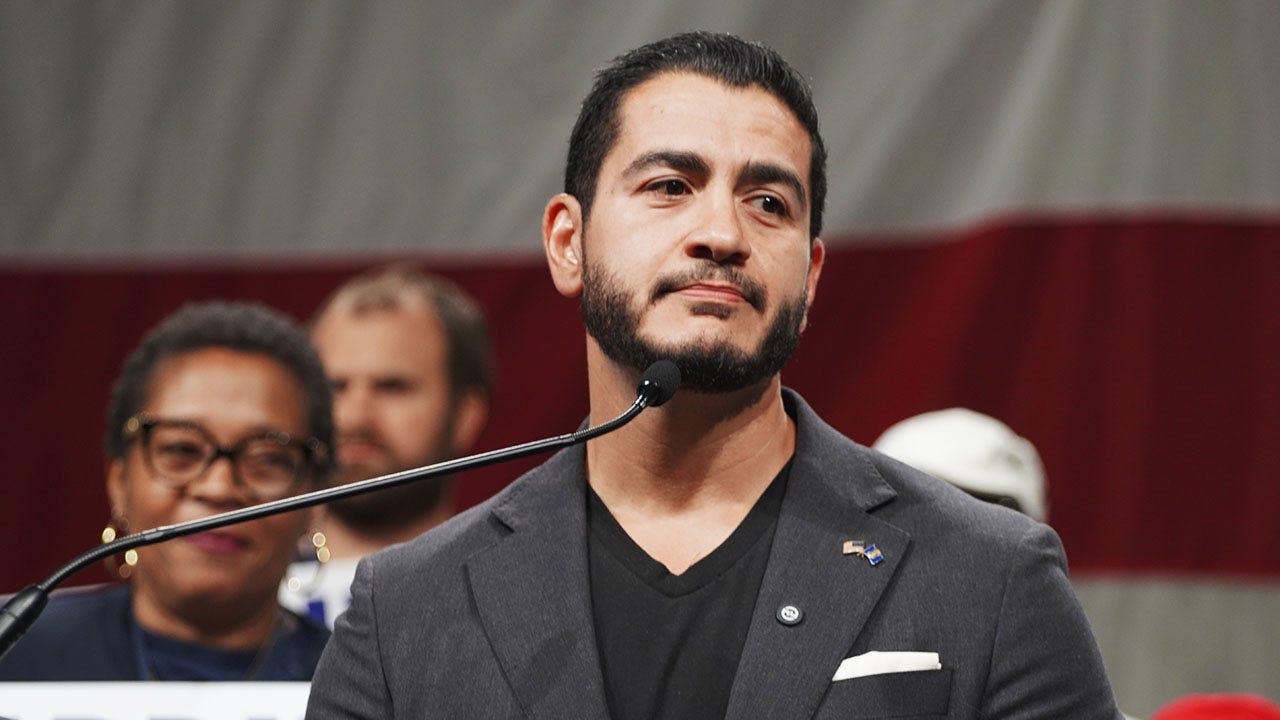
Abdul El-Sayed, a Democratic Senate candidate in Michigan, faced criticism after he could not clearly state that Iran is a greater threat to the U.S. than Israel. This moment became a focal point for critics who argue that El-Sayed’s position reflects a broader shift in political discourse, particularly in the post-Oct. 7 world.
El-Sayed’s comments were highlighted by Morton Klein, president of the Zionist Organization of America, who described them as a warning of the dangers posed by anti-Israel rhetoric. Klein emphasized that El-Sayed’s stance, along with that of other figures like Ilhan Omar and Rashida Tlaib, reflects a growing trend of anti-Zionist sentiment that he believes is gaining political traction.
Despite the criticism, El-Sayed has expressed his commitment to Jewish safety, stating that his dedication to the Jewish community is as strong as his commitment to his own daughters. However, his refusal to name Iran as a greater threat than Israel has drawn sharp rebukes from figures like Klein, who see this as a failure to stand with the Jewish state.
Klein also criticized Israeli leaders for not clearly condemning Hamas, arguing that the group’s charter includes calls for the destruction of Israel and the murder of Jews. He warned that any future Israeli government must respond with overwhelming force to terrorism and reject any form of appeasement.
The debate over El-Sayed’s position has become part of a larger conversation about the role of anti-Israel rhetoric in American politics. Klein’s comments reflect a broader concern that such rhetoric is not only dangerous but also indicative of a shift in political power that threatens Jewish safety and the stability of the Jewish state.
Morton Klein’s Criticism of Democratic Leaders
Morton Klein, president of the Zionist Organization of America, has been vocal in his criticism of Democratic leaders who he believes have failed to condemn anti-Israel figures like Abdul El-Sayed, Ilhan Omar, and Rashida Tlaib. He argues that these leaders, rather than being “pro-Palestinian,” are in fact “anti-Israel” and that their rhetoric is driven by a deep-seated hatred of Jews.
Klein has specifically called out El-Sayed for his refusal to name Iran as a greater threat to the U.S. than Israel, a stance that he sees as dangerously ambiguous. He also criticized El-Sayed for claiming that both Iran and Israel are equally dangerous to America and for calling Israel “as evil as Hamas.” These statements, according to Klein, show a troubling lack of clarity and a failure to stand with the Jewish state.
He has also criticized the Democratic Party for not condemning these figures more forcefully, arguing that their silence is a sign of weakness and a failure to protect Jewish interests. Klein believes that the Democratic Party’s failure to condemn anti-Israel rhetoric is part of a broader trend that threatens the safety of Jews in America and the Jewish state.
Klein’s comments reflect a deep concern that the political landscape is shifting in a way that favors anti-Israel voices, and he warns that this shift could have serious consequences for Jewish safety and the stability of the region. He argues that the Democratic Party must take a stronger stance against anti-Israel rhetoric to prevent further harm to Jewish communities.
Despite his criticisms, Klein has not called for a complete break with the Democratic Party, but he has made it clear that he believes the party must do more to protect Jewish interests and stand firmly against anti-Israel rhetoric. His comments highlight the growing tension between Jewish leaders and certain Democratic figures, and the potential impact this could have on the political landscape.
El-Sayed’s Response and the Broader Implications
Abdul El-Sayed, the Democratic Senate candidate in Michigan, has responded to the criticism by emphasizing his commitment to Jewish safety and his belief in the importance of the Jewish community. He has stated that his dedication to Jewish safety is as strong as his commitment to his own daughters, and he has expressed gratitude for the contributions of the Jewish community to American society.
El-Sayed’s refusal to name Iran as a greater threat than Israel has been a point of contention, with critics like Morton Klein arguing that this stance reflects a lack of clarity and a failure to stand with the Jewish state. However, El-Sayed has maintained that his position is based on a nuanced understanding of the region’s complexities and the need for a balanced approach to foreign policy.
The debate over El-Sayed’s stance has highlighted the broader implications of anti-Israel rhetoric in American politics. Klein and others have argued that such rhetoric is not only dangerous but also indicative of a shift in political power that threatens Jewish safety and the stability of the Jewish state. They believe that the Democratic Party must take a stronger stance against anti-Israel figures to prevent further harm to Jewish communities.
Despite the criticism, El-Sayed has continued to campaign on his platform, emphasizing his commitment to progressive values and his belief in the importance of standing up for the rights of all people. His campaign has become a focal point in the broader debate over the role of anti-Israel rhetoric in American politics and the potential impact it could have on the Jewish community and the region as a whole.
The controversy surrounding El-Sayed’s stance has also raised questions about the role of Jewish leaders in the Democratic Party and the potential for division within the party over issues of Israel and anti-Semitism. As the election approaches, the debate over El-Sayed’s position is likely to remain a central issue in the race and a point of contention for Jewish leaders and activists.
Zohran Mamdani’s Controversial Stance and the Response
Zohran Mamdani, the New York City mayor, has faced criticism for his refusal to condemn the phrase “globalize the intifada,” a call to violence against Jews around the world. Morton Klein, president of the Zionist Organization of America, has described Mamdani as a “monster” and a “jihadist Jew-hater supporter of terrorism” for his stance on the issue.
Mamdani has defended his position, stating that he is committed to protecting Jewish neighbors and fighting against antisemitism. He has pledged to “mourn with them” and to “commit to fight against evil and antisemitism.” However, his refusal to condemn the phrase “globalize the intifada” has drawn sharp rebukes from critics who see it as a dangerous and inflammatory statement.
The controversy surrounding Mamdani’s stance has highlighted the broader issue of anti-Israel rhetoric in American politics and the potential impact it could have on Jewish safety and the stability of the Jewish state. Critics like Klein argue that such rhetoric is not only dangerous but also indicative of a shift in political power that threatens Jewish communities and the region as a whole.
Despite the criticism, Mamdani has continued to campaign on his platform, emphasizing his commitment to progressive values and his belief in the importance of standing up for the rights of all people. His stance on the issue has become a focal point in the broader debate over the role of anti-Israel rhetoric in American politics and the potential impact it could have on the Jewish community and the region as a whole.
The controversy surrounding Mamdani’s position has also raised questions about the role of Jewish leaders in the Democratic Party and the potential for division within the party over issues of Israel and anti-Semitism. As the election approaches, the debate over Mamdani’s stance is likely to remain a central issue in the race and a point of contention for Jewish leaders and activists.
Benjamin Netanyahu’s Political Challenges and the Role of Left-of-Center Parties
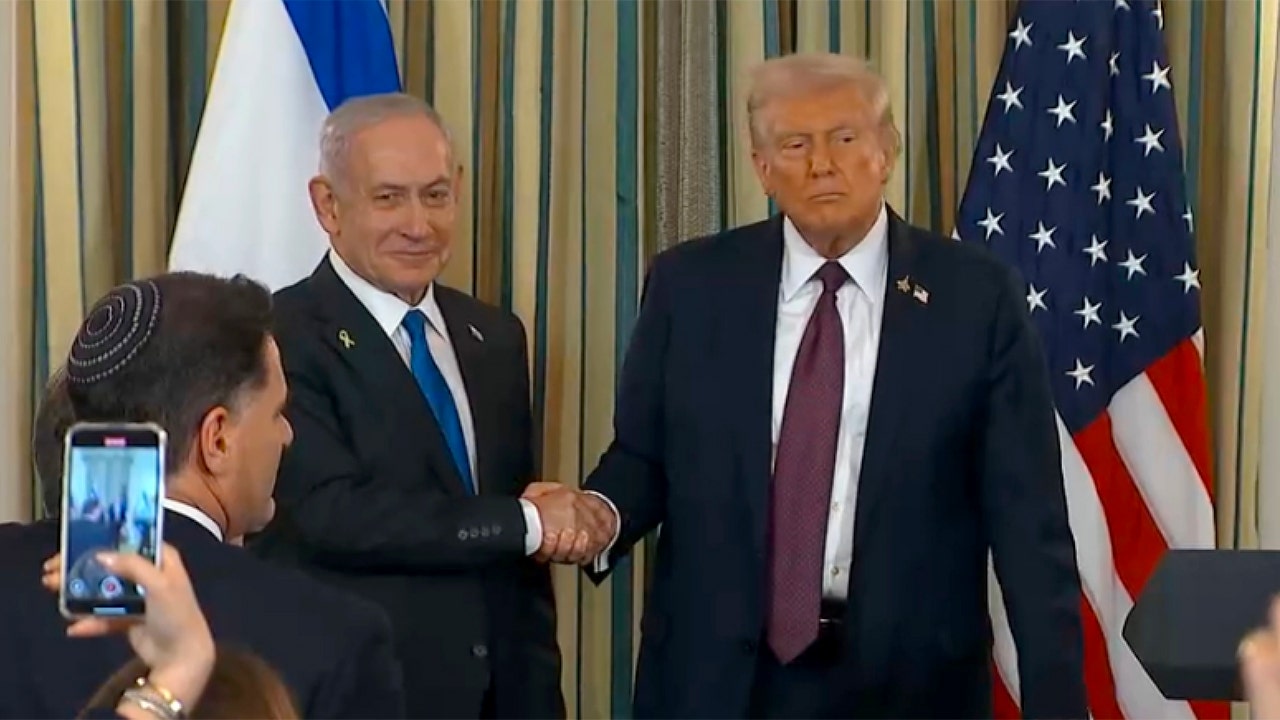
Benjamin Netanyahu, the Israeli prime minister, faces political challenges as he prepares for the upcoming Israeli elections. Morton Klein, president of the Zionist Organization of America, has warned that Netanyahu may be forced to form an alliance with left-of-center parties, which could weaken his ability to respond to terrorism and maintain a strong stance against Hamas.
Klein argues that some left-of-center parties are “appeasement-oriented” and that they believe that giving more concessions to the Palestinians will lead to peace. He warns that this approach is misguided and that it could undermine Israel’s ability to defend itself against terrorism. He believes that a strong, unified government is necessary to ensure that Israel can respond effectively to threats and protect its citizens.
Despite the potential challenges, Klein believes that Netanyahu is likely to win the election again, but he warns that his hands may be “somewhat tied” if he is forced to form a coalition with left-of-center parties. He argues that these parties may not share his commitment to a strong response to terrorism and may push for a more conciliatory approach that could weaken Israel’s position.
Klein’s comments reflect a broader concern that the political landscape in Israel is shifting in a way that could threaten the country’s security and stability. He believes that the Jewish state must remain strong and resolute in the face of terrorism and that any compromise could have serious consequences for the safety of its citizens.
The debate over Netanyahu’s political future and the role of left-of-center parties in Israel highlights the broader issue of how the country will respond to ongoing threats and the need for a unified and strong government to ensure its survival and security. As the election approaches, the debate over Netanyahu’s leadership and the potential impact of a coalition government will remain a central issue in Israeli politics.