—
Source: Fox News
Summary
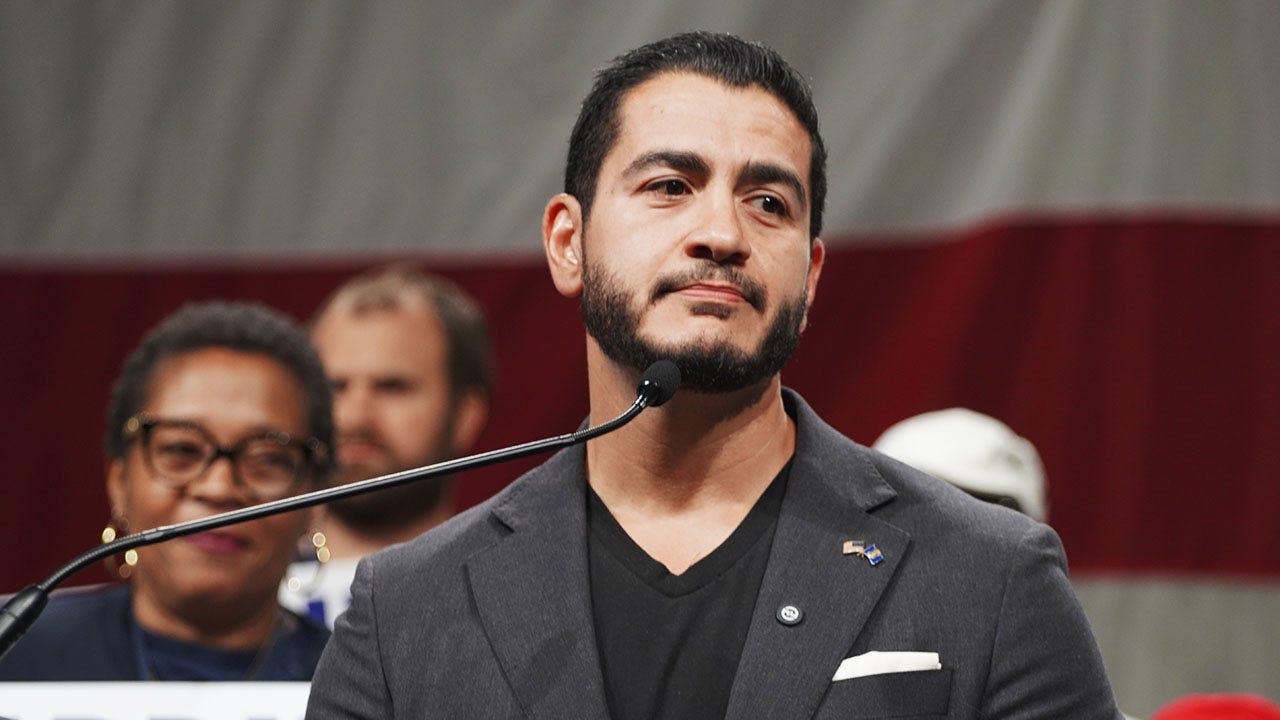
Michigan Democratic Senate candidate Abdul El-Sayed acknowledged his sister-in-law, Mariam Jukaku, was involved in a 2016 lawsuit challenging her placement on the federal terrorist watchlist. The lawsuit alleged she was subjected to additional airport screening without explanation. El-Sayed said she was removed from the list and sued successfully, though a federal appeals court overturned a ruling in 2021. The exchange occurred as former President Barack Obama prepares to campaign with El-Sayed ahead of the midterm election.
Our Reading
As expected, the matter has reached another stage.
El-Sayed confirms his sister-in-law was on the watchlist.
He says she was cleared and sued successfully.
A court later overturned the ruling, but he still claims victory.
The timing feels like a routine moment in a long campaign.
Author: Evan Null
Michigan Senate Race and Personal Attacks
The Michigan Senate race has become a battleground for personal attacks, with Abdul El-Sayed facing scrutiny over his family’s past. His sister-in-law, Mariam Jukaku, was involved in a 2016 lawsuit against the federal government over her placement on the terrorist watchlist. El-Sayed acknowledged this during a press exchange, deflecting criticism by blaming his Republican opponent, Mike Rogers.
El-Sayed’s campaign has denied allegations linking him to the Muslim Brotherhood, calling them “racist and untrue.” However, his opponent, Mike Rogers, has continued to push these claims, suggesting they are disqualifying. The exchange highlights the personal nature of political attacks, especially in a closely contested race.
The timing of the revelations is significant, as former President Barack Obama is set to campaign with El-Sayed in Michigan. This comes just days before the November 3 midterm election, adding pressure on both candidates to manage their public images carefully.
Despite El-Sayed’s claims that his sister-in-law was cleared and won her case, the legal history is more complex. A federal appeals court overturned a ruling in 2021, and a separate lawsuit was dismissed in 2017. These details complicate the narrative of a clear victory.
The FBI has not confirmed or denied individuals’ watchlist status, stating it is the government’s policy to neither confirm nor deny such information. This lack of clarity adds to the controversy, leaving room for both sides to interpret the facts in their favor.
El-Sayed’s Response and Political Strategy
El-Sayed defended his sister-in-law, insisting she had done nothing wrong and that the system unfairly targets people with certain names. He pointed fingers at his opponent, Mike Rogers, suggesting that the policies he supported led to such issues. This strategy is common in political campaigns, where candidates often shift blame to opponents to deflect from their own challenges.
The focus on El-Sayed’s family background and potential ties to the Muslim Brotherhood has become a recurring theme in the race. His campaign has consistently denied these allegations, calling them baseless and racially motivated. However, the persistence of such claims shows how personal and identity-based issues can dominate political discourse.
El-Sayed’s acknowledgment of his sister-in-law’s legal involvement came at a sensitive time, just before a major campaign event with former President Barack Obama. This timing raises questions about whether the revelation was intentional or coincidental, but either way, it adds another layer of complexity to the race.
The legal details surrounding the watchlist lawsuit are not straightforward. While El-Sayed claims his sister-in-law won her case, the appeals court’s decision in 2021 suggests otherwise. This discrepancy highlights the challenges of using legal outcomes as a political tool, where the truth can be interpreted in multiple ways.
The FBI’s stance on not confirming or denying watchlist status further complicates the situation. This policy leaves room for speculation and can be used by both sides to support their narratives. It also underscores the secrecy surrounding such programs, which can fuel public distrust and political controversy.
Obama’s Role and Campaign Strategy
Former President Barack Obama’s upcoming campaign event with Abdul El-Sayed in Michigan is a significant moment in the race. His involvement is expected to boost El-Sayed’s visibility and credibility, but it also brings increased scrutiny. The timing of the watchlist revelations raises questions about whether this is a calculated move or a coincidence.
Obama’s presence on the campaign trail is a powerful endorsement, but it also means that El-Sayed’s past and family connections will be under greater scrutiny. This is a common strategy in politics, where high-profile endorsements can bring both support and unwanted attention.
The fact that El-Sayed’s sister-in-law was involved in a legal case against the government is not unusual, but the timing of the revelation is notable. It comes at a critical moment in the race, just days before a major campaign event, suggesting that the issue may be more than just a coincidence.
El-Sayed’s campaign has tried to frame the watchlist issue as a broader critique of the system, rather than a personal failure. This approach allows him to shift the focus from his own family to the policies of his opponent, Mike Rogers. It’s a classic political tactic, but it also highlights the challenges of maintaining a clean image in a competitive race.
With the midterm election approaching, every detail can have a significant impact. The watchlist issue, while not directly related to El-Sayed’s candidacy, adds another layer of complexity to an already contentious race. It also shows how personal and legal matters can become political tools in the right context.
Legal and Political Implications
The legal history of the watchlist lawsuit involving El-Sayed’s sister-in-law is complex and not entirely in her favor. While she claimed to have won her case, a federal appeals court overturned a ruling in 2021, and a separate lawsuit was dismissed in 2017. These legal outcomes suggest that the case was not as clear-cut as El-Sayed has claimed, raising questions about the accuracy of his statements.
The FBI’s policy of not confirming or denying watchlist status adds to the ambiguity. This lack of transparency can be used by both sides to support their arguments, making it difficult to determine the full truth. It also highlights the secrecy surrounding such programs, which can fuel public distrust and political controversy.
El-Sayed’s campaign has consistently denied allegations linking him to the Muslim Brotherhood, calling them “racist and untrue.” However, the persistence of these claims suggests that they have some traction, even if they are not based on solid evidence. This shows how personal and identity-based issues can dominate political discourse, especially in a closely contested race.
The watchlist issue, while not directly related to El-Sayed’s candidacy, has become a point of contention in the race. It has been used by his opponent, Mike Rogers, to question his character and judgment. This is a common strategy in politics, where candidates often use personal issues to undermine their opponents.
As the race moves closer to the November 3 election, every detail can have a significant impact. The watchlist issue, while not a major scandal, adds another layer of complexity to an already contentious race. It also shows how personal and legal matters can become political tools in the right context.
Public Perception and Political Messaging
The way El-Sayed has responded to the watchlist issue reflects a common political strategy: shifting blame to opponents and framing the issue as a systemic problem. By pointing to Mike Rogers and the policies he supported, El-Sayed attempts to distance himself from the controversy and position himself as a critic of the system rather than a participant in it.
This approach is often effective in political campaigns, where candidates seek to maintain a clean image while still engaging in the political process. However, it also raises questions about the accuracy of their claims and the extent to which they are using legal outcomes to support their narratives.
The timing of the revelations is also significant. With Obama set to campaign with El-Sayed, the watchlist issue has come to light at a critical moment. This suggests that the issue may be more than just a coincidence, though it could also be a natural part of the campaign process.
Public perception of El-Sayed’s campaign will likely be influenced by how he handles this issue. While he has denied any wrongdoing, the legal history of the watchlist case complicates his narrative. This shows how personal and legal matters can become political tools, especially in a high-stakes race.
As the race continues, the watchlist issue will remain a point of discussion, highlighting the challenges of maintaining a clean image in a competitive political environment. It also shows how personal and legal matters can become political tools, especially in a closely contested race.