Source: Fox News
Summary
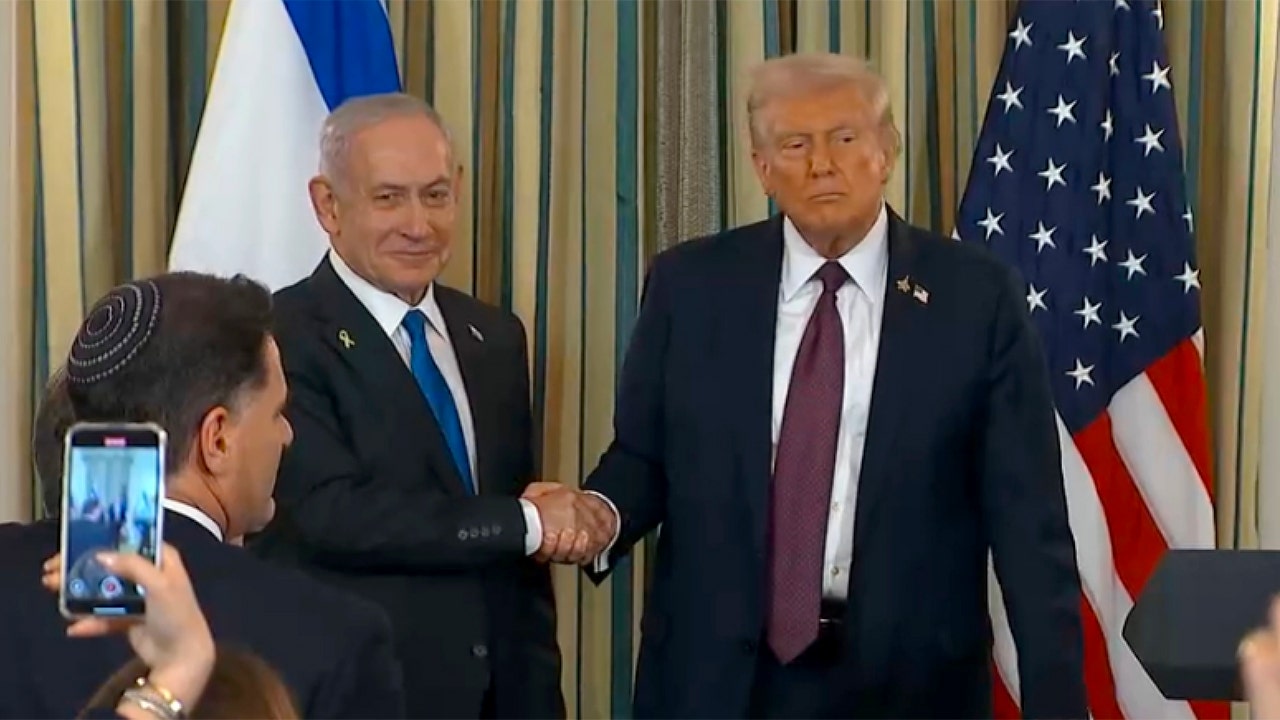
President Donald Trump endorsed Israeli Prime Minister Benjamin Netanyahu for re-election in the Oct. 27 Knesset elections, calling him a “great warrior” and “partner for peace.” Trump praised Netanyahu’s resilience during challenging times and urged Israeli voters to support him. Netanyahu responded by thanking Trump and reaffirming their alliance. The Israeli elections will determine control of the 120-seat Knesset, with Likud and a right-religious bloc projected to fall short of a majority.
Our Reading
The process has entered a familiar phase.
Trump calls Netanyahu a warrior and partner.
Netanyahu thanks Trump and says they will complete the mission.
Voters will choose party lists, not individual leaders.
Coalitions will decide the next prime minister, as always.
Author: Evan Null
Trump’s Endorsement of Netanyahu
President Donald Trump has publicly endorsed Israeli Prime Minister Benjamin Netanyahu for re-election in the upcoming Knesset elections. Trump described Netanyahu as a “great warrior” and a “partner for peace,” emphasizing his strength during difficult times. This endorsement comes amid ongoing tensions with Iran and its nuclear ambitions.
Trump’s message was clear: he believes Netanyahu is the right leader for Israel, and he urged Israeli voters to support him. “This is the kind of partner that the United States of America is demanding of Israel,” Trump wrote, reinforcing the strong U.S.-Israel alliance.
Netanyahu responded to Trump’s endorsement by thanking him and reaffirming their partnership. “Together, we will complete the mission,” Netanyahu said, highlighting the shared goals between the two leaders.
The Israeli elections are a complex process where voters choose party lists rather than individual candidates. The results will determine which party or coalition can form a government, with the next prime minister being selected from among the Knesset members.
Despite the significance of the election, the process remains routine, with political alliances and strategic voting shaping the outcome. The role of the Israeli president, Isaac Herzog, is largely ceremonial, as he does not lead a party or bloc.
Israeli Election Process
The Israeli elections are structured around party lists, with seats distributed proportionally to parties that meet the 3.25% threshold. This system ensures that smaller parties can still have influence, even if they don’t win a majority of seats.
After the vote, the Israeli president will consult with party leaders and assign a Knesset member to form a government. This person must secure the support of at least 61 of the 120 members to become prime minister.
Current forecasts suggest that the Likud party, led by Netanyahu, will win between 18 and 22 seats. A right-religious bloc aligned with Netanyahu is expected to secure around 49 to 51 seats, falling just short of a majority.
This means that smaller parties and potential coalition partners will play a crucial role in determining the next government. The outcome will depend on negotiations and alliances formed after the election results are announced.
The election process, while complex, follows a familiar pattern. Political strategies, alliances, and voter preferences will shape the final outcome, just as they have in previous elections.
U.S.-Israel Relations
Trump’s endorsement of Netanyahu highlights the strong relationship between the United States and Israel. The two leaders have maintained a close alliance, particularly in matters related to Iran and its nuclear program.
Trump has consistently expressed support for Netanyahu, calling him a “partner for peace” and a “great warrior.” This endorsement is part of a broader effort to reinforce the U.S.-Israel alliance and ensure continued cooperation on key security issues.
Netanyahu has also reaffirmed his commitment to the alliance, stating that the two leaders remain aligned on Iran. “Together, we will complete the mission,” he said, emphasizing the shared goals of both countries.
The U.S.-Israel relationship has been a cornerstone of foreign policy for decades, with both nations working closely on military, economic, and diplomatic issues. This election is another example of how political leaders use their influence to shape international alliances.
Despite occasional tensions, the relationship remains strong, with both sides recognizing the importance of cooperation in the face of shared challenges.
Political Alliances and Coalitions
The Israeli election results will determine which political parties can form a government. With no single party expected to win a majority, coalition-building will be a key factor in the outcome.
Netanyahu’s Likud party is projected to win between 18 and 22 seats, while a right-religious bloc aligned with him is expected to secure around 49 to 51 seats. This means that smaller parties and independent candidates will have significant influence in the final decision.
Coalition negotiations will likely take place after the election, with parties seeking to form a majority in the Knesset. These negotiations can be complex, as each party will have its own priorities and demands.
The process of forming a government is a routine part of Israeli politics, with leaders and parties working together to achieve common goals. The outcome will depend on the ability of different groups to find common ground and build a stable coalition.
While the election is significant, the process of forming a government is just as important. It is a reflection of the political landscape and the ability of different groups to work together.
Expectations and Outcomes
The Israeli election is expected to follow a familiar pattern, with political alliances and strategic voting shaping the outcome. The process is routine, with leaders and parties working to secure their positions in the Knesset.
Trump’s endorsement of Netanyahu is part of a broader effort to reinforce the U.S.-Israel alliance and ensure continued cooperation on key issues. This support is likely to influence voter perceptions and political strategies.
Netanyahu’s re-election is seen as a continuation of the current leadership, with many voters likely to support the status quo. The election will test the strength of the existing alliances and the ability of different parties to form a stable government.
Despite the complexity of the process, the outcome is expected to follow a familiar trajectory. Political leaders will continue to work within the system, seeking to build coalitions and secure their positions.
The election is a reflection of the political landscape in Israel, with voters and parties navigating a complex system to achieve their goals. The outcome will shape the future of the country, just as it has in previous elections.