
A poll that treats people like variables
How a political survey turns complex opinions into simple data points.
The story
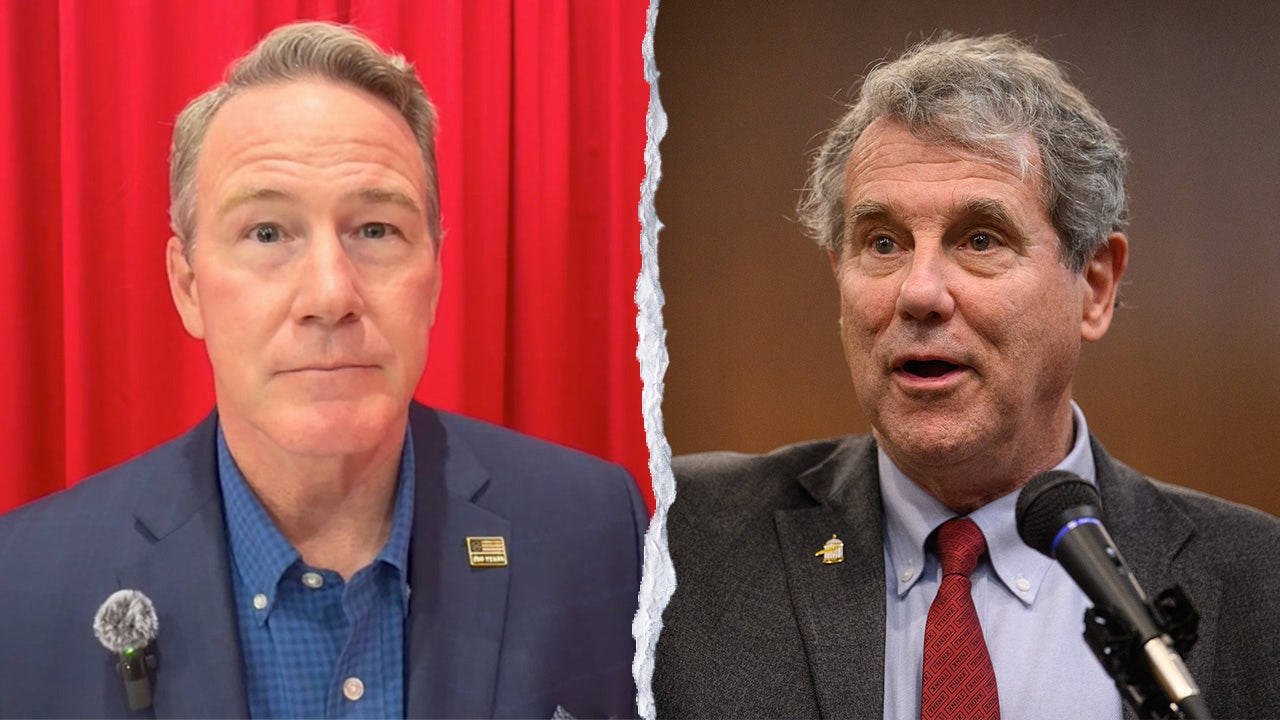
A Fox News poll shows Sherrod Brown leads Jon Husted in Ohio's Senate race, citing gender gap, economic concerns, and Trump's low approval. Brown has a 52% to 47% lead, with strong support among women, younger voters, and urban areas.
Source: www.foxnews.com
Our reading
The poll says Brown leads Husted by 5 points, but the real story is how the numbers are being used to make the race feel like a math problem instead of a political one. It’s not that people are undecided—it’s that the pollsters have decided what they want the numbers to say.
The gender gap is framed as a key factor, but the real shift is in how the data is being used to turn a complex issue into a simple equation: more women = more support. It’s like the poll is trying to prove that the only thing that matters is who you are, not what you think.
And then there’s the part about Trump’s approval. It’s not that people are upset with him—it’s that the poll is using his low numbers as a way to make Husted look worse, even though the real issue is how the data is being spun to fit a narrative.