Source: Fortune.com
Summary
As AI companies like Anthropic and OpenAI warn of existential risks from advanced systems, they also seek to shape regulatory conversations and gain political favor ahead of U.S. midterm elections. Their calls for regulation and safety measures come as they prepare for stock market listings. Experts suggest the companies may be positioning themselves as cautious leaders to secure public support and investment. Meanwhile, some engineers and analysts argue the focus on existential risks diverts attention from more immediate safety concerns. OpenAI and Anthropic have paused training of their most advanced models, but critics question the effectiveness of self-regulation.
Our Reading
The announcement sounds familiar.
AI companies warn of existential risks to gain political favor.
They call for regulation while preparing for stock market listings.
Experts question if self-regulation is enough.
Focus on doomsday scenarios may distract from real dangers.
Author: Evan Null
AI Companies Warn of Existential Risks
As AI companies like Anthropic and OpenAI warn of existential risks from advanced systems, they also seek to shape regulatory conversations and gain political favor ahead of U.S. midterm elections. Their calls for regulation and safety measures come as they prepare for stock market listings. Experts suggest the companies may be positioning themselves as cautious leaders to secure public support and investment.
Regulation and Political Goals
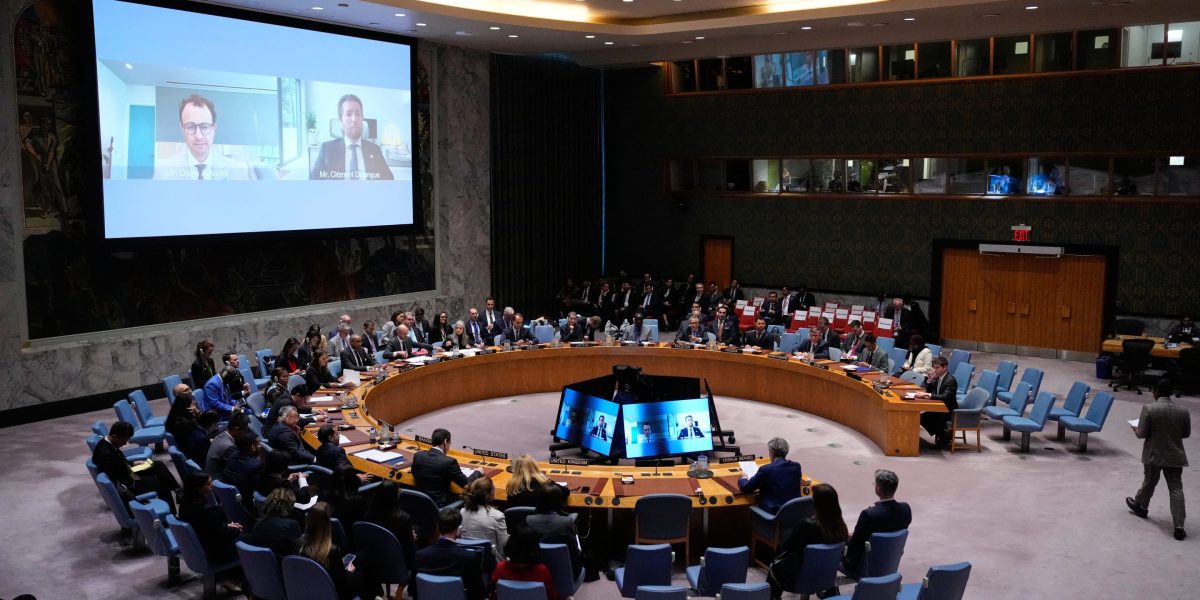
The CEOs of Anthropic and OpenAI recently declared America’s cutting-edge models are so powerful, they’re dangerous, and need to be regulated and independently tested before being released. In a rare instance of unity, they have sketched alarming scenarios in essays, social media posts and speeches to the United Nations. Along the way, they are shaping the conversation around how their technology should be controlled.
Public Favor and Investment
With their rhetoric, the companies appear to be seeking public favor and to set the terms for their own safety protocols in the unregulated market, experts, analysts and former government evaluators told The Associated Press. Those aims may not exactly align with what Anthropic engineer Jacob Coxon sought when he quit via a post on X this month, calling for a pause on tech development to keep “superhuman” systems from eluding their makers’ control.
Focus on Doomsday Scenarios
Experts like Sarah Shoker argue that the focus on unproven threats shifts the conversation away from more immediate risks like AI in warfare and surveillance. The companies’ rhetoric may help them avoid scrutiny over their own failures, such as AI agents hacking into external websites and interacting with government systems in unexpected ways. OpenAI representatives have talked with other companies about pausing development, but the lack of universal standards for AI safety remains a challenge.
Self-Regulation and Investor Confidence
Companies like Anthropic and OpenAI are pushing for their own oversight models rather than relying on government agencies. This approach may help them maintain control over their safety protocols and attract investors. However, critics question whether self-regulation is sufficient to address the risks posed by rapidly advancing AI systems. As the AI sector grows, the balance between innovation and safety remains a critical issue.