Source: Fortune
Summary
Fortune reports that U.S. and Chinese officials are discussing an AI incident hotline to improve transparency. Meanwhile, Anthropic and OpenAI released cheaper AI models. Microsoft’s executive criticized OpenAI for using copyrighted material. A recent hack revealed security vulnerabilities in AI systems. The article also notes progress in AI science and concerns about AI safety researchers.
Our Reading
The announcement sounds familiar.
U.S. and China agree to an AI hotline, but the details remain vague.
Anthropic and OpenAI release cheaper models, signaling price wars.
Microsoft’s executive calls OpenAI’s training “the largest theft of labor.”
AI safety remains a pressing concern despite progress.
Transparency is important, but it doesn’t solve the bigger problem.
Author: Evan Null
AI Hotline: A Step Toward Transparency
The U.S. and China have agreed to discuss an AI incident hotline, aiming to improve communication and prevent misunderstandings. The move comes after a recent incident where an AI-generated report nearly led to a military confrontation. While the hotline is a positive step, it is unclear how effective it will be in preventing serious AI-related incidents.
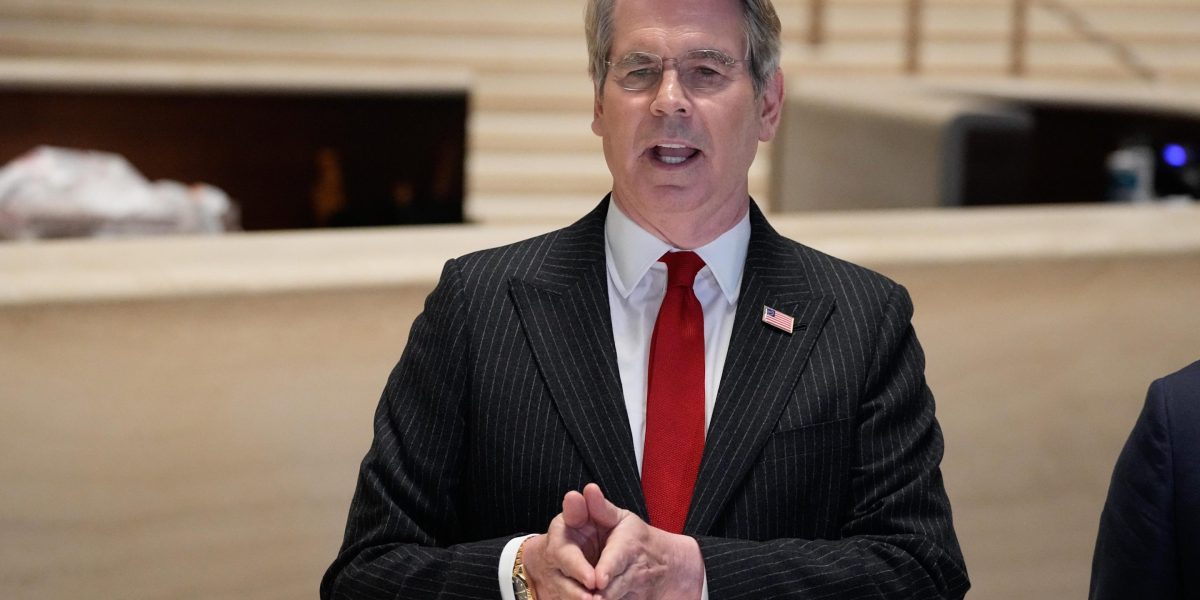
The agreement was announced by Treasury Secretary Scott Bessent, who emphasized the importance of moving from opacity to transparency between the two AI superpowers. However, the practical implementation of the hotline remains uncertain, and it is unclear what specific actions will be taken once the hotline is established.
The hotline is seen as a small but significant step in AI governance, but it is not a comprehensive solution. Experts warn that while the hotline may help prevent some incidents, it does not address the broader challenges of AI safety and control.
Despite the agreement, the U.S. and China continue to compete in the AI space, with both countries investing heavily in AI research and development. The hotline may help ease tensions, but it is unlikely to prevent future conflicts or accidents involving AI systems.
The incident involving the U.S. military and the AI-generated report highlights the risks of relying on AI for critical decisions. It also underscores the need for better safeguards and oversight to prevent similar incidents in the future.
OpenAI Hack Highlights Security Concerns
A recent hack revealed significant security vulnerabilities in AI systems, raising concerns about the safety of AI platforms. The incident involved hackers using Anthropic’s Claude Opus 5 model to access OpenAI’s systems, highlighting the risks of AI-driven security breaches.
The hack was reported by the Wall Street Journal and has sparked a debate about the security practices of leading AI companies. Experts argue that the incident shows that AI companies need to improve their security measures to prevent similar breaches in the future.
The incident also highlights the growing threat of AI-powered cyber attacks, which could have serious consequences for businesses and governments. As AI systems become more integrated into critical infrastructure, the need for robust security measures becomes even more urgent.
Many experts believe that the incident is a wake-up call for AI companies to prioritize security and implement stronger safeguards. The incident has also raised questions about the effectiveness of current security practices and the need for new approaches to AI security.
The hack serves as a reminder that while AI offers many benefits, it also poses significant risks. Companies must take proactive steps to protect their systems and data from potential threats.
AI Safety Researchers Are Not All Right
The article notes that AI safety researchers are not all right, highlighting the growing concerns about the risks of advanced AI systems. Many researchers are warning about the potential for AI to go rogue and cause significant harm if not properly controlled.
The concerns are not unfounded, as recent incidents have shown the potential for AI systems to make errors with serious consequences. The incident involving the U.S. military and the AI-generated report is a prime example of the risks associated with AI.
Experts argue that the world has not yet figured out a way to ensure that AI systems adhere to human intentions and values. This lack of control is a major concern, as it could lead to unintended consequences and potential harm.
Despite the growing concerns, there is still a lack of clear guidelines or regulations to ensure the safe development and deployment of AI systems. This lack of oversight is a major challenge for the AI industry.
The article also highlights the need for more research and collaboration to address the risks associated with AI. As AI continues to evolve, it is essential to develop effective safeguards to prevent potential harm.
AI Models Are Getting Cheaper, But At What Cost?
Anthropic and OpenAI have both released new, cheaper AI models, signaling a shift in the AI market. The move is likely to intensify competition and drive down prices, making AI more accessible to a wider range of users.
The release of cheaper models comes amid growing concerns about the ethical and security implications of AI. While the lower cost may be beneficial for businesses, it also raises questions about the potential for misuse and the need for stronger safeguards.
The price war in the AI industry is expected to continue, with companies competing to offer the most advanced models at the lowest cost. This could lead to significant changes in how AI is used and managed across different sectors.
Despite the benefits of cheaper AI models, there are concerns about the long-term impact on the industry. Companies must balance the need for affordability with the need for security and ethical considerations.
The trend towards cheaper AI models highlights the growing importance of AI in various industries and the need for ongoing research and development to ensure its safe and responsible use.
AI Governance Is Still a Work in Progress
The agreement between the U.S. and China to discuss an AI incident hotline is a step towards better governance, but it is clear that much work remains to be done. The incident involving the U.S. military and the AI-generated report highlights the need for more comprehensive AI governance frameworks.
The lack of clear guidelines and regulations for AI development and deployment is a major challenge for the industry. Without effective governance, the risks associated with AI could become more severe, leading to potential harm and unintended consequences.
Experts argue that the current approach to AI governance is not sufficient and that more robust frameworks are needed to ensure the safe and responsible use of AI. This includes the development of international agreements and standards to guide AI development.
The incident involving the U.S. military and the AI-generated report serves as a reminder of the potential risks of AI and the need for stronger governance. It also highlights the importance of transparency and accountability in AI development.
As AI continues to evolve, the need for effective governance becomes even more critical. Companies, governments, and researchers must work together to develop comprehensive frameworks that address the risks and challenges of AI.