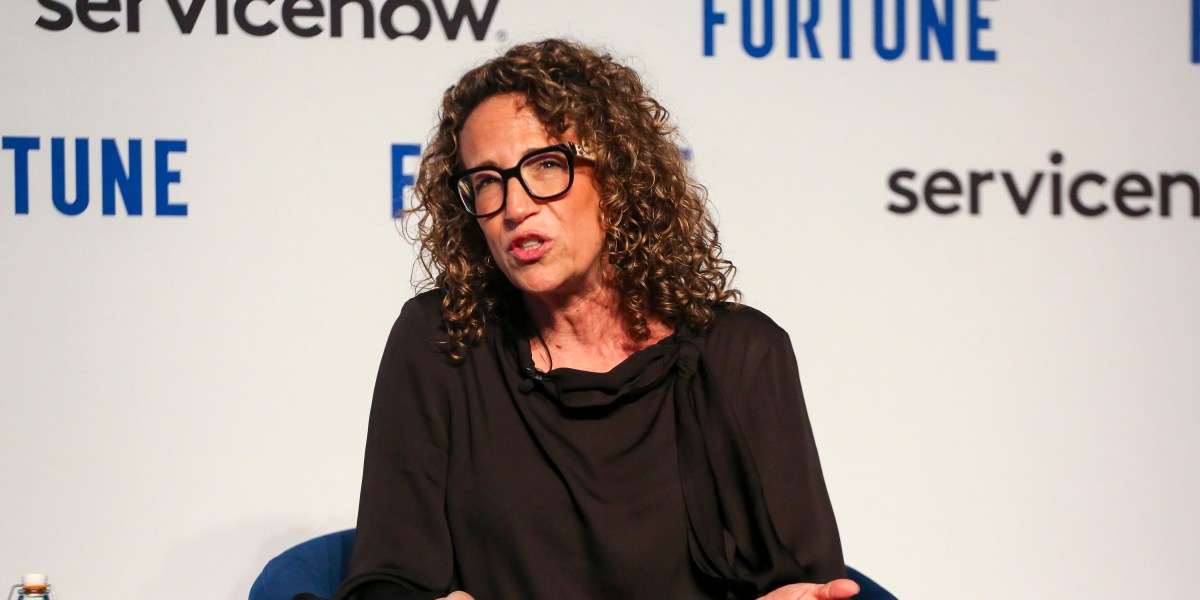
Source: Fortune
Summary
American workers have reached a 39-year high in job satisfaction, with 69% reporting they are satisfied, according to a study by The Conference Board. However, the rise of AI may threaten this trend, as it is improving work for some employees while leaving others feeling less secure and less confident. The study found that employees using advanced AI tools are more likely to report higher job satisfaction, engagement, and mental health, but a large portion of the workforce is not benefiting from AI. Business leaders must ensure that all workers feel empowered by AI by providing access to tools, training, and guidance.
Our Reading
The numbers tell one story.
The Conference Board’s study reveals a 39-year high in job satisfaction, but the impact of AI on the workforce is a different story. While some employees are benefiting from AI, others are feeling left behind, leading to a potential divide in the workforce. The study found that men, higher-income workers, and those with access to training and support are more likely to report positive effects from AI. Business leaders must address this divide by providing equal access to tools and training. The lucky half of the workforce is not random, it skews male, higher-income, and well-trained. The unlucky half is not random either, it skews female, lower-income, and undertrained.
The announcement sounds familiar, but the warning signs are clear: a two-tier workforce is emerging, and business leaders must act to prevent it.
Author: Evan Null