Source: Fortune
Summary
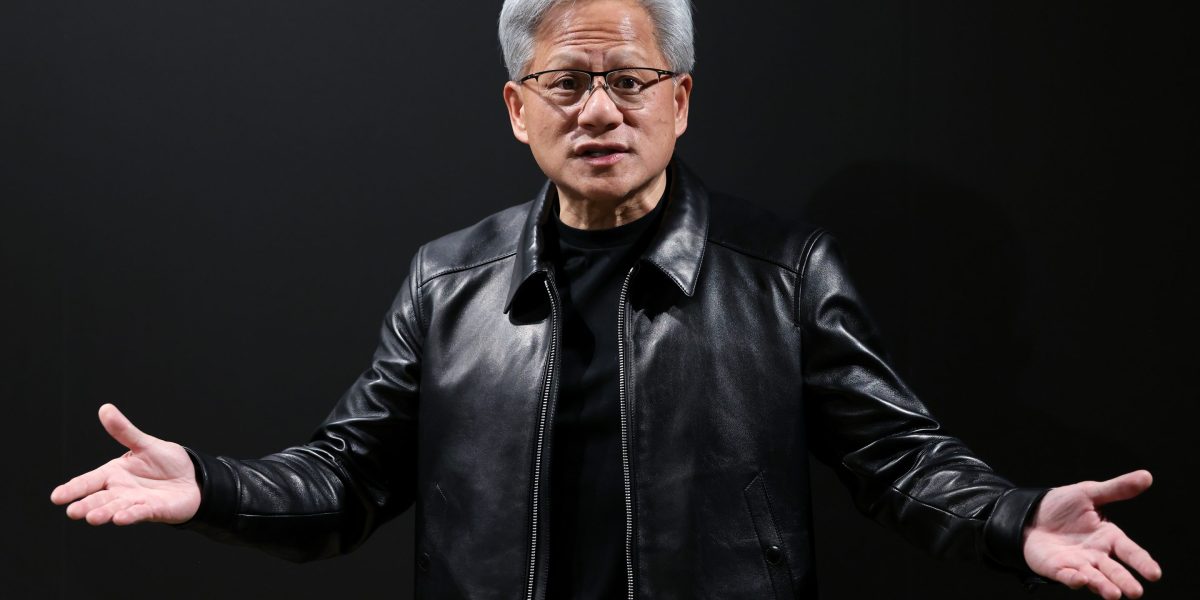
Nvidia CEO Jensen Huang dismissed AI-related doomsday predictions as “irresponsible” and “not based in reality,” calling for focus on engineering solutions rather than regulatory overhauls. He emphasized that AI safety is an engineering issue and that existing laws should be sufficient. Huang’s comments come as AI leaders like Sam Altman and Dario Amodei have raised concerns about the risks of unchecked AI development. Meanwhile, former OpenAI and Anthropic researcher Jacob Coxon publicly resigned, warning of a “race to self-improving superintelligence.” The debate highlights growing tensions between AI optimism and caution.
Our Reading
The announcement sounds familiar.
Nvidia’s CEO rejects AI extinction warnings.
Huang says doomsday claims are irresponsible.
He argues for engineering over regulation.
AI leaders split on speed and safety.
AI optimism clashes with safety concerns.
Author: Evan Null
Two sides of the same AI coin
Anthropic CEO Dario Amodei has called for the industry to slow the development of capable models, saying the companies need more time to establish safety precautions. According to a report from Reuters, Amodei has proposed in independent safety evaluators to check for common safety standards and international cooperation inside frontier AI companies.
OpenAI CEO Sam Altman, after arguing regulation would hinder AI companies, has echoed the same rhetoric. In July, Altman said society may need time to adapt to new capability levels and the industry should consider ways to slow development.
Even Elon Musk, CEO of SpaceX and Tesla has endorsed the worry. In a post on X, Musk noted he had been “sounding the alarm on AI for a long time.”
Former researcher at both OpenAI and Anthropic Jacob Coxon also added to the fire, after he publicly resigned from Anthropic on X in September. Coxon wrote that the companies were “racing straight to self-improving superintelligence,” essentially “gambling with our lives.” His post went viral and drew more than 170 million views.
A public letter signed by over 1,300 employees at leading AI companies has separately called for governments, industry leaders and society to have the ability to buy time and address emerging risks. Amodei was among the individuals who signed the letter.
AI optimism vs. caution
The divide between AI optimism and caution is growing. On one side, companies like Nvidia, led by Jensen Huang, are pushing for rapid development and dismissing fears as exaggerated. On the other, leaders like Dario Amodei and Sam Altman are calling for more time and safeguards to prevent unintended consequences.
Huang’s stance reflects a broader trend among tech executives who believe that AI safety is primarily an engineering challenge, not a regulatory one. He argues that companies should be held accountable under existing laws rather than face new regulations tailored for AI.
Meanwhile, figures like Elon Musk and former researchers like Jacob Coxon are sounding the alarm, warning of the potential for AI to outpace human control. Coxon’s public resignation and viral post highlight the growing unease within the AI community about the speed of development.
The debate is not just theoretical. It’s shaping policy discussions, corporate strategies, and public perception. As AI continues to evolve, the tension between innovation and caution will likely define the next phase of the industry.
With Nvidia’s market value soaring alongside AI demand, the company’s influence is growing, and its leadership’s stance on AI safety will have significant implications for the industry’s future.
Regulation or restraint?
The conversation around AI regulation is intensifying. Some executives, like Huang, argue that new laws are unnecessary and that existing legal frameworks are sufficient. Others, like Amodei, believe that proactive measures are needed to ensure safety and prevent harm.
Trump’s recent comments about forming an “AI Force” and appointing an AI “czar” suggest that political leaders are also paying attention. However, the lack of specifics in his plan raises questions about how effectively such a structure could be implemented.
As AI continues to advance, the balance between innovation and oversight will become increasingly critical. Companies, governments, and researchers will need to navigate this complex landscape carefully to avoid unintended consequences.
The debate over AI’s future is far from settled. While some see limitless potential, others warn of the risks that come with unchecked progress. The coming months and years will determine whether the industry can find a path forward that balances both.
For now, the divide between optimism and caution remains stark, with no clear resolution in sight.
The role of AI in the global economy
AI is no longer just a technological trend—it’s a major driver of economic growth and competition. Companies like Nvidia are at the forefront, supplying the chips that power much of the AI industry’s expansion. As demand for AI continues to rise, so does the company’s market value, making it the most valuable in the world.
This economic shift has significant implications for global power dynamics. Countries and companies that lead in AI development are positioning themselves for long-term dominance. The U.S., with companies like Nvidia and leaders like Huang, is currently at the forefront, but the race is far from over.
The economic stakes are high, and the pressure to innovate is intense. Companies are investing heavily in AI research and development, hoping to secure a competitive edge. At the same time, concerns about the societal impact of AI are growing, creating a complex landscape for decision-makers.
As AI becomes more integrated into everyday life, the need for responsible development becomes more urgent. The choices made today will shape the future of the technology and its impact on society.
For now, the industry is navigating a delicate balance between progress and caution, with the outcome still uncertain.