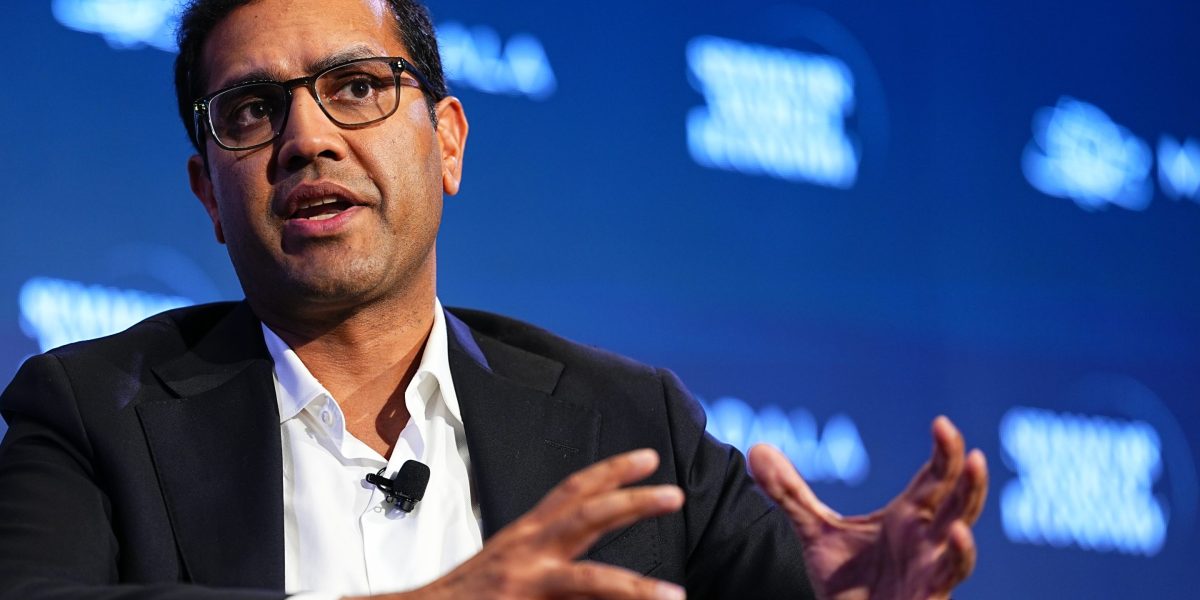
Source: Wired
Summary
Wired reported that AI leaders continue to promote artificial intelligence as a solution to human disease, while researchers at Anthropic have raised concerns about the potential risks of AI, including existential threats. The article highlights the contrasting perspectives within the AI community regarding the technology’s impact on society.
Our Reading
The launch follows a familiar script.
AI is the cure, then the threat, then the cure again.
Anthropic warns, while others sell.
Same old story, different buzzwords.
AI is just a mirror, and we’re still figuring out what we see.
Author: Evan Null
AI’s Double-Edged Sword
AI leaders have been promoting artificial intelligence as the key to curing human disease, a claim that has been repeated across multiple platforms and conferences. The same AI that is touted as a medical breakthrough is also being scrutinized for its potential to cause harm, with some experts warning of existential risks.
Anthropic researchers have been vocal about the dangers of AI, suggesting that the technology could lead to catastrophic outcomes if not properly managed. This has sparked a debate within the tech and scientific communities about the ethical implications of AI development.
The contrast between the optimistic visions of AI as a medical savior and the cautionary warnings from researchers highlights the complexity of the technology. While some see AI as a tool for progress, others fear it as a potential threat to human existence.
Wired’s article reflects the ongoing tension between innovation and risk, as the AI industry continues to evolve. The same technology that could revolutionize healthcare is also being questioned for its long-term consequences.
As AI becomes more integrated into daily life, the conversation around its impact is growing more urgent. Whether it’s a cure or a curse, the future of AI remains uncertain, with both promise and peril on the horizon.
The Hype Cycle of AI
The promises surrounding AI have been consistent for years, with each new development framed as a breakthrough. From curing diseases to solving climate change, AI is often presented as the ultimate solution to humanity’s greatest challenges.
However, the same technology that is celebrated for its potential is also being scrutinized for its risks. Researchers at Anthropic have raised concerns about the dangers of AI, suggesting that it could lead to unintended consequences if not properly regulated.
This duality is not new. The tech industry has a history of overpromising and underdelivering, and AI is no exception. While some see it as a revolutionary force, others view it as a potential threat to human survival.
The debate over AI’s impact is not just theoretical. It has real-world implications, affecting everything from healthcare to national security. As the technology continues to advance, the need for responsible development becomes more pressing.
Despite the warnings, the hype around AI shows no sign of slowing down. The same cycle of optimism and caution continues, with each new development adding another layer to the ongoing conversation.
AI and the Fear of the Unknown
The fear of AI is not just about its potential to cause harm, but also about the unknown. As the technology becomes more complex, it becomes harder to predict its long-term effects. This uncertainty fuels both excitement and anxiety.
While some argue that AI will lead to a better future, others believe that it could lead to a dystopian outcome. The divide between these perspectives is growing, with each side presenting compelling arguments.
Anthropic’s warnings about AI’s risks have added to the growing concern about the technology’s impact. Their research highlights the need for caution, suggesting that the development of AI must be approached with care.
At the same time, the promise of AI as a medical breakthrough continues to drive investment and innovation. The potential to cure diseases and improve healthcare is a powerful incentive for continued development.
As the conversation around AI evolves, it becomes clear that the technology is not just a tool, but a force that could shape the future of humanity in ways we are only beginning to understand.
The Cycle of Innovation and Caution
The cycle of innovation and caution is a recurring theme in the development of AI. Each new breakthrough is met with both excitement and skepticism, as the technology’s potential is weighed against its risks.
AI leaders often frame their work as a step toward a better future, emphasizing the benefits of the technology. However, the warnings from researchers like those at Anthropic serve as a reminder that progress must be balanced with responsibility.
This tension is not unique to AI. It has been seen in previous technological advancements, from the internet to genetic engineering. The same pattern of hype and caution continues, with each new development adding to the ongoing debate.
As AI becomes more integrated into society, the need for careful oversight becomes more urgent. The technology has the potential to transform many aspects of life, but it also carries risks that must be addressed.
Ultimately, the future of AI will depend on how it is developed and regulated. The balance between innovation and caution will determine whether it becomes a force for good or a source of harm.
The Future of AI: Promise or Peril?
The future of AI remains uncertain, with both promise and peril on the horizon. The technology has the potential to revolutionize healthcare, but it also carries risks that must be carefully managed.
As AI continues to evolve, the conversation around its impact will only grow more complex. The same technology that is celebrated for its potential is also being scrutinized for its risks, creating a dynamic that is both exciting and concerning.
The warnings from researchers like those at Anthropic highlight the need for caution, suggesting that the development of AI must be approached with care. At the same time, the promise of medical breakthroughs continues to drive investment and innovation.
As the technology becomes more advanced, the debate over its impact will become more urgent. The balance between progress and responsibility will determine whether AI becomes a force for good or a source of harm.
Ultimately, the future of AI will depend on how it is developed and regulated. The same cycle of hype and caution continues, with each new development adding to the ongoing conversation about the technology’s role in society.